

Lagos is a city that thrives on hustle, vibrant parties, and a bold approach to fashion. Amid these scenes, a fresh movement is sweeping through its streets—second-hand shopping, or thrifting, is quietly reshaping Lagos’ style landscape.
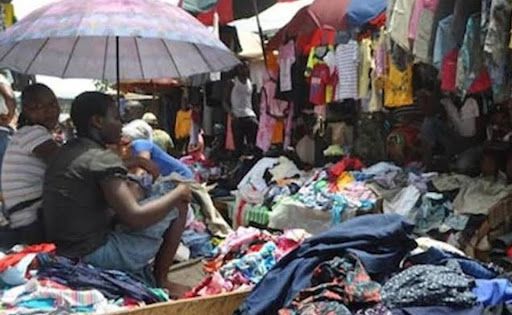
Once, bargain hunting in the markets—locally coined as “bend-down-select”—was a low-key affair, layered with a stigma of poverty. Today, it’s become a proud statement among style-conscious Lagosians, combining sustainability, savings, and individual flair.
Not long ago, the idea of buying pre-loved clothes was linked with financial constraints. Now, it’s celebrated by those who care about the environment, their wallets, and curating a wardrobe that stands out. This shift reflects a broader trend: second-hand fashion isn’t just surviving—it’s thriving, changing the way Lagos (and West Africa) expresses creativity through clothes.
1. Thrift is the New Drip
Sustainable Fashion: The rise of second-hand shopping in Lagos
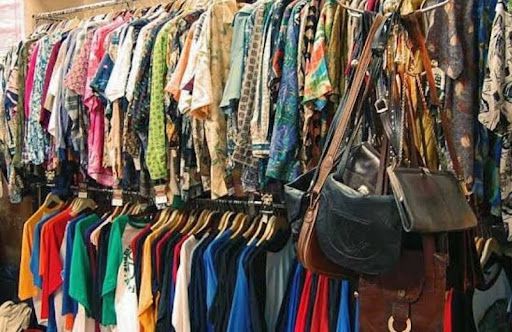
Standing out is part of Lagos culture, where “drip” is a matter of pride—and these days, thrift stores and open markets are the go-to places to achieve it on a budget. Markets like Yaba, Tejuosho, and Katangua have become treasure troves, offering classic denim, branded blazers, and distinctive accessories at a fraction of their original price.
“It’s not the tag, it’s the swag,” says Tolu Onifade, a Lagos-based stylist. According to local trend watchers, it’s increasingly common for style icons to wear creatively mixed thrift finds, demonstrating that confidence and personal flair matter far more than designer labels. Lagosians are now redefining what it means to be fashionable, showing that style is about presentation, not price tags.
2. Sustainability Meets Street Style
Sustainable Fashion: The rise of second-hand shopping in Lagos
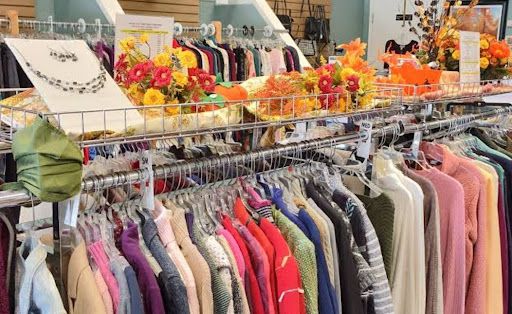
According to the United Nations Environment Programme (UNEP), the fashion industry contributes up to 10% of global carbon emissions—a fact that has intensified scrutiny on “fast fashion” worldwide. In Lagos, thrifting has become a quietly powerful mode of eco-activism. Every garment bought second-hand helps conserve resources, limit waste, and reduce the carbon footprint linked with the production of new clothes.
“When you thrift, you’re not just shopping—you’re recycling,” notes Ifeanyi Eze, an environmental advocate with Green Nigeria Initiative. “Each purchase saves water, energy, and a little bit of the earth.” With Nigeria facing mounting waste challenges (including Lagos’ overflowing landfills), the thrift movement offers one way for residents to opt out of the throwaway culture, while still looking uniquely stylish.
3. The Rise of Thrift Entrepreneurs
Sustainable Fashion: The rise of second-hand shopping in Lagos
Instagram and other social media platforms have become launch pads for a new generation of thrift entrepreneurs in Nigeria. Young people are curating and repackaging handpicked pieces, creatively presenting them online to a growing audience eager for affordable, trendy fashion. The appeal isn’t just in savings—it’s in personality, curation, and story, with sellers often sharing the journey and origin of each piece.
“Our clients want to wear something with history—something not everyone else will own,” shares Zainab Yusuf, an Abuja-based thrift reseller. The demographic driving this digital thrift economy is made up mainly of Gen Z and millennials: style-savvy, environmentally conscious, and always on the lookout for a bargain. Many online thrift stores now offer home deliveries, live auctions, and custom styling tips, further boosting their popularity.
- Flexible business model: Thrift entrepreneurs can launch with minimal capital and scale by leveraging social media audiences.
- Community impact: According to the Small and Medium Enterprises Development Agency of Nigeria (SMEDAN), microbusinesses like thrift stores now provide jobs for thousands of youth and women, supporting local economies and families.
From Stigma to Statement
What was once dismissed as a last resort has become a hallmark of resourcefulness and rebellion in Lagos’ fashion culture. Today’s youth are pushing back against mindless consumerism, choosing thrift as an intelligent, creative way to dress well. It’s not about always owning the newest—it’s about owning your style and choosing the story behind each piece.
Bolanle Odutola, a final year student at the University of Lagos, puts it simply: “Buying thrift lets me look good without breaking the bank. It’s empowering and fun, especially in these tough economic times.” Her sentiment is echoed widely among young Lagosians facing inflation and rising living expenses, making second-hand shopping a practical—and progressive—response to cost-of-living pressures.
- Changing social perceptions: Thrift shopping now signifies smart decision-making, independence, and creativity rather than lack of alternatives.
- Celebrity influence: Nigerian influencers and celebrities, including music stars and Nollywood actors, are increasingly seen rocking pre-loved finds and openly advocating for sustainable fashion, inspiring millions of followers across the country and beyond.
- Global Connections: The embrace of thrifting in Lagos connects the city to wider global movements in places like the US, UK, and South Africa, where vintage and circular fashion are equally celebrated.
Is Thrift Here to Stay?
Despite its fast-rising popularity, the thrift market in Nigeria faces challenges. Some consumers remain skeptical, worrying about hygiene, item authenticity, or market overcrowding. Regulators, too, sometimes express concern over the unregulated nature of the sector, especially with the spread of synthetic and low-quality imports.
However, advocates argue that improved quality control at points of import, better public health education, and customer transparency can address these issues. The growing voice of vocal thrift sellers, combined with tech-savvy audiences, is likely to shape more sustainable and responsible market practices in future.
For many, thrifting is more than a fashion choice—it’s a way to participate in a more sustainable, self-driven economy that empowers shoppers, supports entrepreneurs, and looks toward a greener, more affordable future. Lagos has set the pace, but as the movement grows, its ripples are felt in Ghana, across West Africa, and further afield.
Wherever you are in Africa or around the world, the core message shines through: dressing well shouldn’t cost the earth—literally or figuratively.
What’s your take on the thrift revolution in Lagos and across Africa? Have you scored any gems from your local thrift market? Drop your experiences or opinions in the comments below and let the community know how thrifting has impacted your style or budget. Don’t forget to follow us for updates on the latest trends in Nigerian and African lifestyle!
Do you have a unique thrift story, want to showcase your style, or have insights on the second-hand fashion movement in Africa? We’d love to feature your experiences! Reach out to us at [email protected] to share or sell your story and get it published on our platform.
For general questions or support, contact [email protected].
Stay in the loop with more lifestyle and fashion updates by following us on
Facebook,
X (Twitter), and
Instagram. Let’s keep the conversation going!