

As each election cycle draws near in Nigeria, a familiar sense of anticipation and cautious optimism fills the air. With the 2027 polls still some time away, early signs of political activity are already evident across the nation.
Alliances are being negotiated, new coalitions are cropping up, and politicians are making early moves with enthusiastic declarations. Expectations are growing at a rapid pace, fueled by an undercurrent of hope for genuine change.
The frenetic pace of pre-election maneuvering has even led the Independent National Electoral Commission (INEC) to issue warnings to political parties. INEC has made it clear that premature campaigning could place parties in violation of Nigeria’s electoral laws, according to their recent statements reported by major Nigerian dailies.
Despite regulatory warnings, Nigerians are holding onto hope—even if quietly this time—that someone will emerge to accomplish what previous leaders could not. There’s a deep desire, spoken or unspoken, for transformative leadership that finally delivers real progress.
Yet, repeated cycles have taught the nation a sobering lesson: history, especially in Nigerian politics, has a habit of repeating itself.
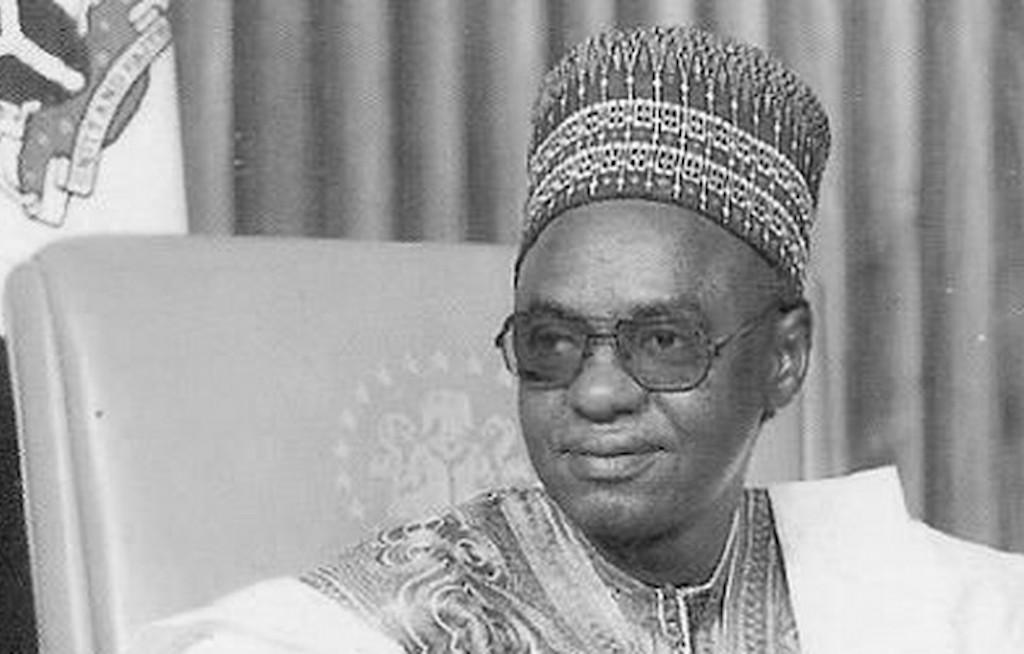
No matter how vibrant the campaigns or inspiring the manifestos, many Nigerians fear the outcome will be the same: frustration and disappointment. This cycle has left citizens asking if any one individual can truly bring about the sweeping reform Nigeria needs.
After each new administration, the popular refrain resurfaces—a lament that nothing substantial has changed. Analysts such as Dr. Chidi Nwosu, a political science lecturer at the University of Lagos, argue that this expectation of a singular, transformative leader may be unrealistic in Nigeria’s complex environment.
The idea of the “political messiah” has become deeply embedded in the nation’s collective psyche. Many await that one leader who will fix the economy, restore security, combat corruption, and uplift the country’s image. This longing often overshadows the systemic challenges that no single individual can solve alone.
Too often, hopes are pinned on personalities rather than institutions, systems, and shared responsibilities. While strong leadership is essential, the belief that only one powerful figure can fix what ails the country ignores the scale and complexity of the problems—and may set up both leaders and citizens for future disappointment.
Galadima argued that such decisions threaten the credibility of Nigeria’s electoral system and could plunge the country into chaos.
![NNPP chieftain Buba Galadima warns against the alleged appointment of a controversial retired judge as INEC chairman, cautioning it could spark civil unrest in Nigeria. [X, formerly Twitter/@PO_GrassRootM]](https://stag-blogsites.itechnolabs.co.in/wp-content/uploads/2025/09/908193bd-653c-456d-a890-035485b9ee70-2.jpg)
The ADC has called on the international community, including the UN and AU, to take an early interest in the INEC voter registration data to ensure a credible process in the 2027 election.
![2027 election credibility in doubt as ADC questions INEC's South-West voter data/Illustration [The Cable]](https://stag-blogsites.itechnolabs.co.in/wp-content/uploads/2025/09/771d9c3b-e4eb-406c-8094-66aa8608d1f6-2.jpg)
Our Structural Realities as a Nation
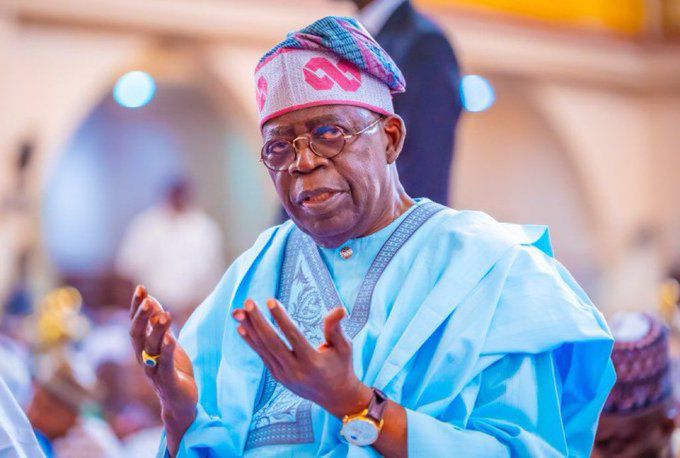
Nigeria’s challenges are not simply political—they are woven into the very fabric of society. The roots of many issues are structural, stretching back generations and touching every part of the culture. Presidents can sign new policies and appoint ministers, but they cannot personally oversee every classroom, checkpoint, market, or household. Long-lasting change, as many experts note, must rise from the base of society and grow upward.
Often, corruption is spoken of as a disease affecting only those in power. However, it is present in everyday actions—queue jumping, using forged documents, exam malpractice, bribery, and a casual disregard of traffic rules have become commonplace. According to a 2023 survey conducted by BudgIT, over 65% of Nigerians say they have witnessed or participated in low-level corruption within the past year.
The normalization of these practices means that shortcuts and dishonesty are frequently rewarded. Children watch adults manipulate the system, and learn early on that connections and money are more important than merit or integrity.
In this atmosphere, it becomes even more difficult for citizens to hold leaders accountable. As Lagos-based sociologist Amaka Eze put it, “When everyday corruption is tolerated, people feel hypocritical demanding higher standards from those in power.”
So, the person who pays a bribe to expedite paperwork is not so different from the politician who embezzles public funds—and this parallel creates a culture where corruption is accepted at all levels.
It’s crucial to recognize that politicians emerge from the same society. Their approach to governance is often a reflection of the values and environment that shaped them. Shifting the blame entirely to politicians ignores the systemic habits embedded in day-to-day life, habits that must also be addressed if true change is to occur in Nigeria, Ghana, and across West Africa.
The Foundation of Character
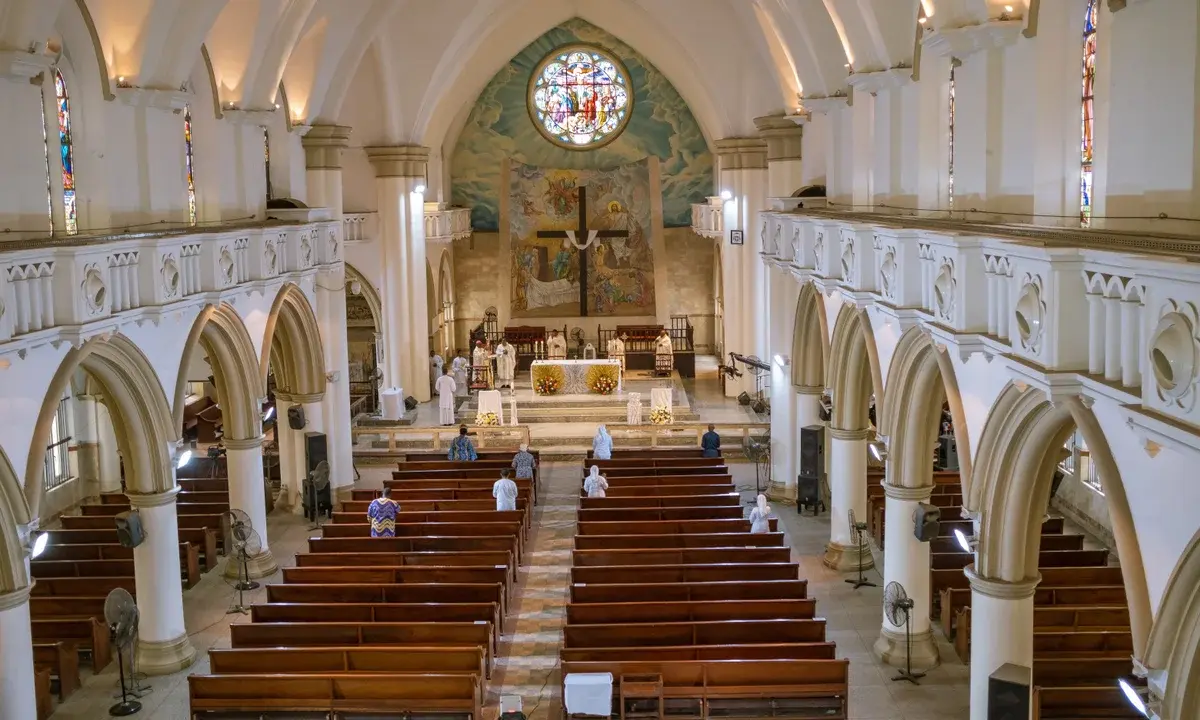
Religion plays a pivotal role in Nigerian and West African societies. Despite the country being one of the world’s most religious, a gap often exists between the values preached and those practiced. While religious gatherings are frequent and prayers are common, actions don’t always align with the principles taught, from promoting peace to pursuing justice.
Tribalism, inequality, and economic divides sometimes overshadow the daily calls for unity and blessing. As Pastor Ogunleye in Ibadan noted during a 2023 seminar, “We preach forgiveness and honesty, but don’t always translate it into our dealings with others—especially across ethnic lines.”
Often, spiritual leaders focus on prosperity and spiritual advancement, but avoid addressing issues of civic responsibility, accountability, and personal integrity. According to a 2022 survey by NOIPolls, over 70% of respondents believe that religious leaders could do more to encourage good citizenship.
The foundation for national character is also set at home and in schools. When young people are taught—either directly or by example—that cheating, fraud, and manipulation are acceptable means to an end, society reaps the consequences in years to come. If educational institutions prioritize only paper qualifications and neglect values and critical thinking, how can tomorrow’s leaders offer the empathetic, innovative leadership that is needed?
Schools and religious centers must take more active roles in shaping a generation that values honesty, diligence, and community—traits needed for stronger, more resilient nations, whether in Nigeria, Ghana, or anywhere else in Africa.
Beyond the Ballot Box
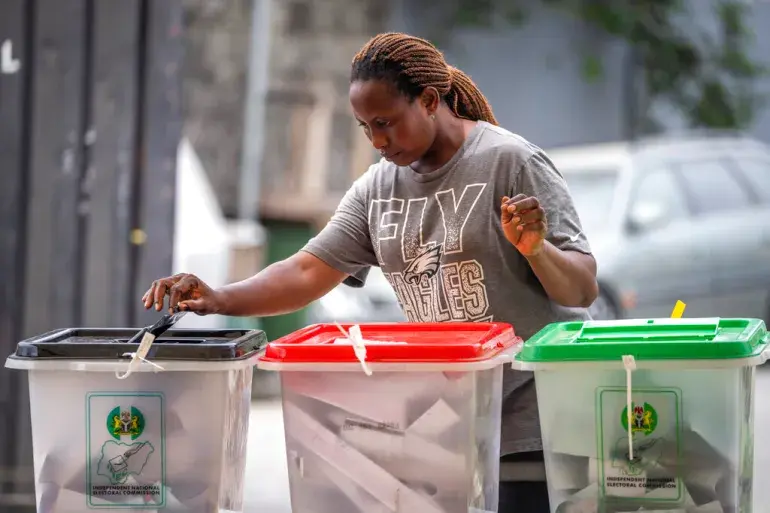
As 2027 nears, attention will naturally centre on the ballot. However, electoral participation is just the starting point for national change. Citizens must carefully scrutinise candidates and their promises, ensuring participation goes beyond trending hashtags or surface-level activism.
Civic engagement should extend to holding officials accountable after the election, monitoring the fulfillment of promises, and participating in governance at every level. According to the Center for Democracy and Development, voter turnout in Nigeria has historically hovered between 30–40%—indicating that much work remains in converting hope into action.
The nation’s fundamental systems—unwritten codes and collective behaviors—ultimately shape the direction of governance more than any singular election outcome. These structures depend on people’s everyday choices and values.
This perspective is not about excusing government shortcomings. National leaders must still be held to account for their responsibilities. But for progress to be sustained, every Nigerian and West African must embrace nation-building, rejecting both cynicism and the myth that a “messiah” alone can address all societal ills.
Pinning hopes on a single figure can be counterproductive—setting up cycles of disenchantment and apathy when expectations inevitably collide with reality. It is through a broad-based commitment to reform—combining personal responsibility, community-driven change, and effective leadership—that real national transformation can occur.
A blend of policy reform from above and personal transformation from below is essential. Each small act of integrity, from obeying laws to helping a neighbor, compounds into broader societal progress over time.
The Real Transformation
Genuine change in Nigeria and West Africa rarely arrives with a bang. Instead, it is often steady and quiet—built through everyday decisions, actions in family homes, schools, religious centers, workplaces, and on the streets. True progress is sustained not just in moments of public protest or excitement, but in daily interactions and choices made when no one is watching.
This type of transformation cannot be handed down by a “savior”—it can only be forged by people willing to change how they live and relate to others. As Dr. Ifeoma Ezeani of the Centre for Values in Leadership points out, “The hard work of nation-building lies as much in private choices as in public policy.”
Nigeria’s future will be decided by a generation ready to act boldly, think differently, and hold themselves to the highest standards of integrity. Visionary leadership remains vital, but it can only succeed if there is a nationwide movement of engaged, ethical citizens supporting and demanding accountability at all levels.
It is the combined, everyday efforts—from communities, schools, markets, and homes—that will ultimately forge a nation worthy of its immense promise. The true “messiah,” perhaps, is collective action and enduring hope.
Galadima argued that such decisions threaten the credibility of Nigeria’s electoral system and could plunge the country into chaos.
![NNPP chieftain Buba Galadima warns against the alleged appointment of a controversial retired judge as INEC chairman, cautioning it could spark civil unrest in Nigeria. [X, formerly Twitter/@PO_GrassRootM]](https://stag-blogsites.itechnolabs.co.in/wp-content/uploads/2025/09/908193bd-653c-456d-a890-035485b9ee70-1-1.jpg)
The ADC has called on the international community, including the UN and AU, to take an early interest in the INEC voter registration data to ensure a credible process in the 2027 election.
![2027 election credibility in doubt as ADC questions INEC's South-West voter data/Illustration [The Cable]](https://stag-blogsites.itechnolabs.co.in/wp-content/uploads/2025/09/771d9c3b-e4eb-406c-8094-66aa8608d1f6-1-1.jpg)