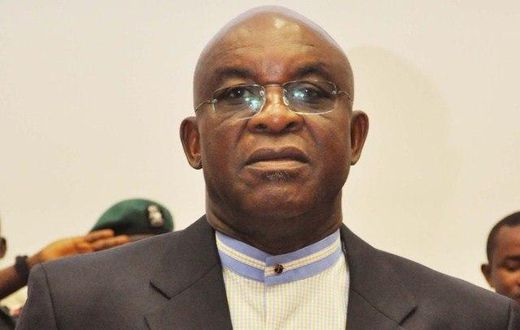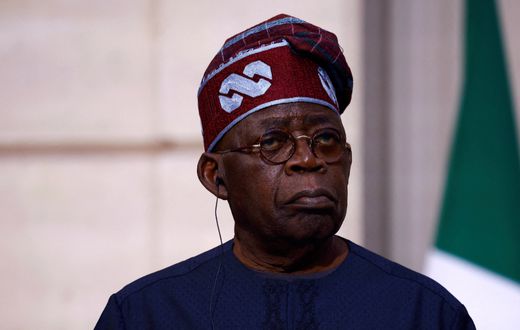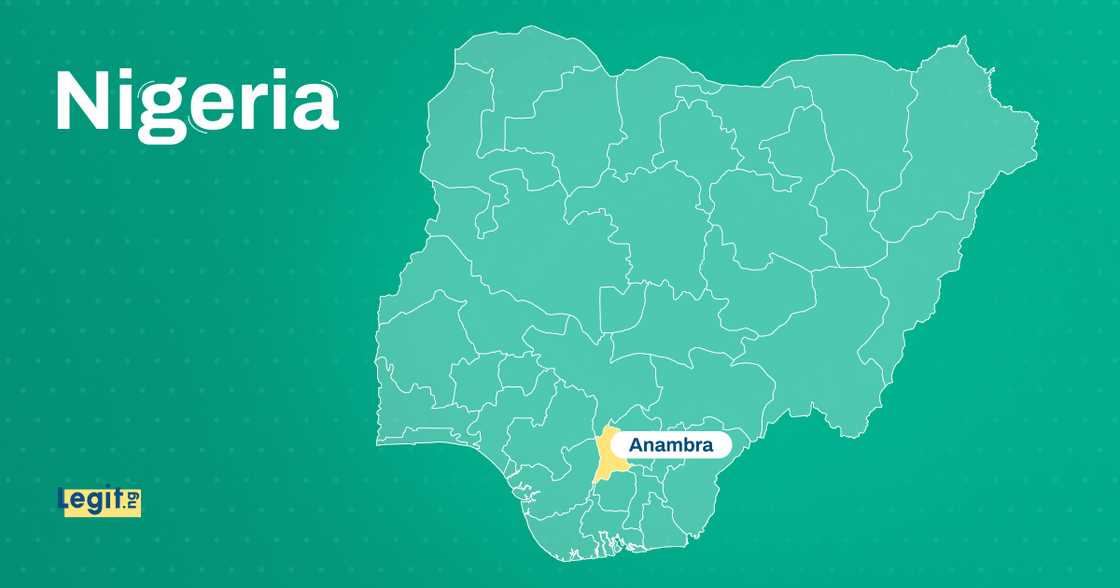


Nigeria’s political landscape, particularly in Rivers State—a region pivotal for its oil resources—has witnessed intense turbulence in recent months. The conflict traces back to an open struggle for political dominance between suspended Governor Siminalayi Fubara and his predecessor Nyesom Wike, who currently serves as Minister of the Federal Capital Territory (FCT). This rivalry plunged the state’s governance into disarray and raised critical questions on constitutional order, security, and democratic legitimacy in Nigeria’s South-South region.
President Bola Tinubu, addressing the nation, cited this conflict as spiraling beyond a mere political feud and morphing into economic sabotage. As the state’s tension resulted in vandalized national assets and threatened broader economic stability, it became the underlying driver for the federal government’s emergency intervention. According to presidential statements, these dramatic events prompted the declaration—and subsequent suspension—of emergency rule in Rivers.
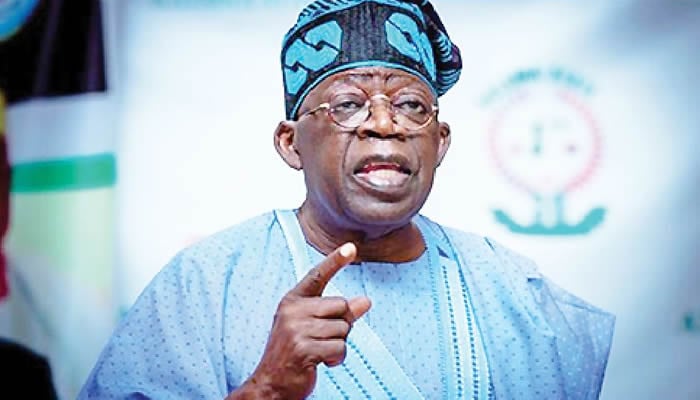
In a nationally broadcast message delivered on Wednesday, September 17, President Tinubu outlined critical insights behind his decisions. Here, we break down seven central takeaways from his speech and the wider implications for Nigerian democracy and regional stability.
Below are the takeaways:
Serious Constitutional Impasse Grips Rivers State
President Tinubu underscored that Rivers experienced a complete collapse of routine governmental functions. The executive and legislative branches became so divided that Governor Fubara was allegedly unable to present an appropriation bill—an essential legal requirement for accessing state funds and delivering services to citizens.
Quoting a Supreme Court judgment, the president noted a judicial opinion stating, in essence, “no government existed” in Rivers at the peak of the standoff. Despite attempted mediation by Tinubu and other well-meaning individuals, entrenched interests within the crisis thwarted peacemaking efforts. Abuja-based constitutional lawyer Mrs. Ngozi Udeh explained, “Such paralysis not only violates legal norms but fails the everyday needs of people who rely on government for safety, jobs, and basic services.”
Nigeria’s Constitution Empowers Emergency Declarations
In his address, Tinubu firmly grounded his actions in the 1999 Constitution (as amended), specifically referencing Section 305, which grants the President authority to declare a state of emergency during grave crises. While critics argue the presidency overstepped by suspending elected officials, Tinubu stated that leaving them in place during an emergency would undermine the effectiveness of any intervention. This position has sparked legal debate nationwide, with numerous law scholars weighing in on its constitutional merits.
For many local watchers, this move recalls historic episodes where emergency rule was imposed in states such as Plateau (2004) and Ekiti (2006). Legal analyst Chijioke Eze told NowahalaZone, “Balancing prompt crisis resolution with respect for democratic mandates remains a delicate act in Nigeria’s federation.”
Commendation for National Assembly and Rivers’ Traditional Rulers
Tinubu acknowledged the National Assembly’s quick approval of his emergency declaration, viewing it as evidence of national concern. He also thanked traditional rulers and the general population of Rivers for maintaining a relative peace and for resisting provocations that could have led to wider violence. Community leader Chief Onari George expressed cautious optimism, saying, “We want lasting reconciliation, not just temporary calm.”
Legal Pushback: Over 40 Court Cases Challenge Emergency Rule
The controversy around the state of emergency led to over 40 lawsuits in courts spanning Abuja, Rivers, and nearby Bayelsa. President Tinubu described these legal efforts as a testament to democracy, demonstrating the right of citizens and stakeholders to seek judicial remedies. However, he reiterated that the constitution remains the ultimate authority, regardless of mounting litigation.
According to Port Harcourt-based lawyer Barr. Violet Diri, “The judiciary’s response will set a precedent for executive power, federalism, and individual rights in future crises.”
Political Activism vs. National Stability: Tinubu Warns Politicians
In his speech, President Tinubu cautioned against what he termed “misguided political activism” and “Machiavellian manipulations.” He argued that true democratic dividends—such as security, infrastructure, and social welfare—require a working partnership between the various arms of government. Political scientist Dr. Emeka Jaja told NowahalaZone, “Nigeria’s young democracy is often tested by personal ambitions overshadowing the collective good.”
Tinubu called for unity between the executive and legislature at all levels to ensure effective governance and delivery on electoral promises—a message resonating in other West African democracies recently grappling with coups and constitutional disputes.
Intelligence Reports Spark Suspension of Emergency Rule
Providing background to his decision, Tinubu disclosed that intelligence and mediation had convinced him that the factions in Rivers were prepared to pursue peace. Reports to his office indicated both major players now recognized the harm of past actions and signaled a willingness to reconcile for the state’s benefit.
While Tinubu welcomed these developments, civil society organizations have urged ongoing monitoring. “Restoring normal governance is only a first step. Sustained conflict prevention, inclusive dialogue, and accountability are needed to build deeper trust,” advised Senior Fellow Habiba Sule of the Centre for Democracy and Development.
Presidential Message to Governors and State Assemblies
Tinubu concluded by urging all governors and state legislatures to foster cooperation, warning that only in an environment of peace, effective order, and responsible governance can citizens fully benefit from democracy. He encouraged state-level executives and lawmakers to internalize this lesson, emphasizing that Nigerians expect unity and results, not personal rivalries.
Several governors, including from neighboring Bayelsa and Akwa Ibom, have publicly supported Tinubu’s stance, calling it crucial for stability across the Niger Delta and beyond.
See
https://x.com/officialABAT/status/1968351112047865867
here:
What Does This Mean for Nigeria and the Region?
Rivers’ saga highlights the ever-present tension in Nigeria’s federal structure: balancing stability with democratic freedoms, and central intervention with local autonomy. For international stakeholders and neighboring countries such as Ghana, developments in Rivers are closely watched, given Nigeria’s outsized influence on regional oil markets, migration, and political trends.
The crisis also lays bare the risks facing oil-producing areas across Africa, where governance breakdowns can cascade into security and economic emergencies with cross-border effects. As one Ghana-based analyst observed, “Learning lessons from Nigeria’s Rivers State is vital for preventing similar disruptions elsewhere in West Africa.”
Looking Ahead: Will Stability Last?
The recent suspension of emergency rule in Rivers marks a positive but fragile turning point. Many local civil society groups advocate for ongoing reforms, broader participation, and closer scrutiny of both federal and state officials’ actions. As history has shown, the road to lasting peace and democratic maturity requires vigilance, compromise, and a commitment to good governance on all sides.
How do you see the situation evolving? Do you think the lessons from Rivers will shape future state-federal relations in Nigeria and beyond?
What’s your view on the Rivers State crisis and the President’s approach? Drop a comment below and follow us for more insights and updates on governance, democracy, and current events in Nigeria and West Africa!
To share or sell your story, contact us at [email protected].
For support, reach us at [email protected].
For the latest on news, politics, and community issues in Nigeria and beyond, follow us on Facebook, X (Twitter), and Instagram.
Your story matters. Get in touch and let’s shape the conversation together!