Rising Tensions in Arewa Consultative Forum Over Tinubu’s 2027 Election Prospects
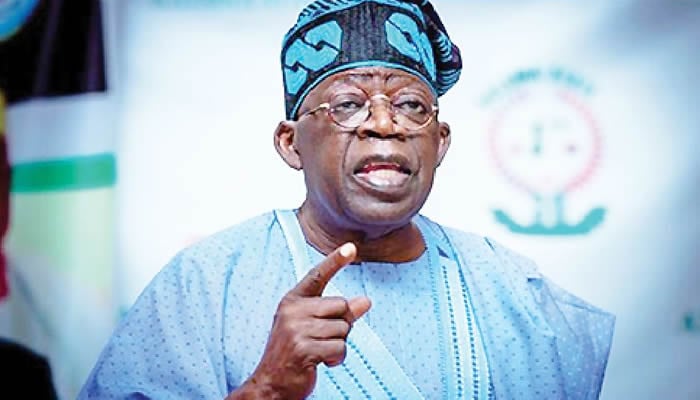
Growing internal friction is emerging in the Arewa Consultative Forum (ACF), as divergent views among its senior members bring President Bola Tinubu’s possible 2027 re-election attempt into the national conversation. The discord, which has become difficult to ignore, draws attention to the delicate balance the group seeks to maintain between public engagement on political issues and its non-partisan identity.
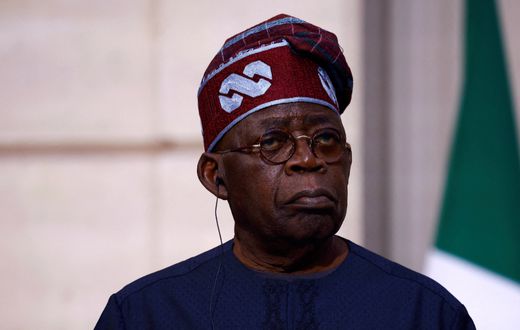
The recent flare-up follows pointed criticism by the Forum’s National Publicity Secretary, who challenged the All Progressives Congress (APC) over indications that President Tinubu may have an uncontested shot at the party’s presidential ticket in the next general elections.
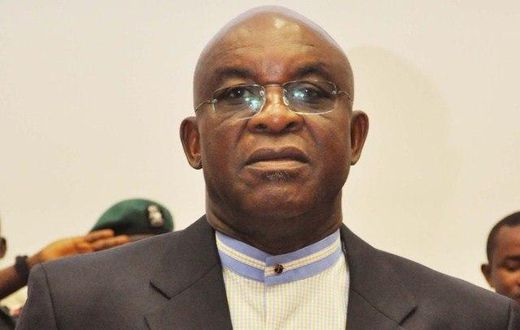
During a BBC interview monitored in Kaduna, Baba voiced his disapproval of the APC’s reported posture, calling it a blow to internal party democracy and a potential affront to the rights of other eligible contenders. “Our Forum is not a political party, but we are invested in governance and the political process. What we advocate is enlightenment and participation,” Baba explained in his defense of open competition.
“The APC should create a level playing field for all its qualified members to contest if they desire. That’s the essence of fairness and democratic values,” he urged.
Baba also reminded listeners that every Nigerian meeting constitutional guidelines is free to seek elected office, regardless of political party. “As long as the country remains under democratic rule and the Constitution is in effect, every citizen’s right to contest should be protected,” he emphasised.
ACF Kano State Chapter Rejects Publicity Secretary’s Stance
The pushback was swift. In a statement from Kano State, the ACF Chairman robustly distanced the group from Baba’s criticisms. According to the Chairman, these remarks were solely Baba’s opinions, not the formal position of the influential Arewa body.
“No one is authorised to represent the ACF’s official stance without the necessary approvals. Whatever Prof. Baba’s personal perspective may be, it does not reflect the collective voice of this organisation,” publicly declared Umar, Kano ACF Chair.
The Chairman reminded members and the wider public that only the Forum’s Executive Council can issue political statements on behalf of the ACF.
“The ACF is founded as a non-aligned, socio-cultural institution. We must avoid any appearance of support for particular parties or candidates,” Umar clarified, deepening the group’s commitment to neutrality.
Reflecting on prior election cycles, Umar referenced incidents in 2023, when similar confusion arose over false claims of the ACF endorsing certain politicians. “We were compelled to address the press here in Kano so that no one would misrepresent the ACF as backing any candidate. That’s not our mandate,” he said.
This ongoing dispute illustrates deeper ideological divisions inside the ACF, with prominent members wrestling with reconciling their personal political leanings and the Forum’s established principle of impartiality.
APC Responds: Party Loyalty and Internal Democracy
On its part, the APC responded to concerns raised by the ACF’s publicity secretary through its Director of Publicity, Malam Bala Ibrahim. He defended the right of political parties to endorse and support their preferred aspirants, even as he recognised that the Nigerian Constitution provides equal opportunity to all eligible citizens to contest any office.
“Our Constitution does not place limits on who can vie for posts if they meet the conditions. But the reality is that parties often choose to endorse or support individuals who best serve their objectives,” Ibrahim explained.
“That said, every qualified aspirant is free to come forward and make their case to party members. Ultimately, it is the party that will vet and select its official candidate according to our processes,” he added.
North-West Region’s Political Heavyweights Signal Support for Tinubu
The situation took another turn in May 2025 when prominent politicians and executives in the North-West, including governors, ministers, national legislators, and APC leaders, gave public backing to President Tinubu’s potential bid for a second term. This coordinated display of regional support brings the North-West into sharper focus as a power broker in Nigeria’s electoral politics.
Although President Tinubu has yet to officially declare whether he will run again in 2027, analysts point to this early positioning as characteristic of Nigeria’s political scene, where the contest for power can overshadow urgent issues of governance and policy delivery. “Every election season, we see a rush by politicians and stakeholders to secure their future positions, sometimes at the expense of real solutions to Nigeria’s challenges,” observed Dr. Tunde Adebayo, a West African political analyst based in Lagos.
Policy watchers caution that this preoccupation with elections risks stalling Nigeria’s broader development agenda. “The fixation on who’s next in Aso Rock too often diverts national attention from tackling poverty, insecurity, and weak infrastructure,” said Hadiza Mohammed, a Kaduna-based civil society advocate.
What’s at Stake for Northern Leadership and Nigeria’s Political Culture?
The unfolding rift within the ACF underscores both the complexities of northern regional politics and the tenuous relationship between advocacy groups and political actors. The Arewa Consultative Forum, with its history of public commentary and influence, faces pressure from members to clarify its role as a defender of northern interests without tipping into outright partisanship.
For many everyday Nigerians and West Africans watching from abroad, the debate is more than internal wrangling. It highlights critical issues facing regional political groups: how they can uphold their values while remaining relevant, and how they influence (or are swayed by) the dramatic contest for presidential power.
Observers from Ghana and elsewhere in the sub-region note that such internal dynamics are not unique to Nigeria. Across West Africa, the push-and-pull between pro-democracy calls and entrenched political interests continues to shape the fabric of national civic engagement.
Where Do Nigerians Stand—and What Comes Next?
On the streets of Kano, Kaduna, and Abuja—and in online spaces—reactions split sharply. Some residents, like Abuja-based entrepreneur Fatima Yakubu, agree with the call for transparency and open competition within political parties. “If anybody wants to contest, let them come out. We need fresh ideas, not just the same old faces,” she said.
Others, including party loyalists in the North-West, see endorsements as signs of unity and stability needed to maintain momentum in national projects. “When the party is behind one person, there’s less division and better planning,” reasoned Buhari Musa, a Kano APC supporter.
Political experts stress the need for cautious optimism, as political parties and advocacy groups redefine their roles ahead of the 2027 general elections. “Whether Tinubu eventually runs or not, the bigger question is about process and inclusivity—does the system give everyone a fair shake?” posed Dr. Adebayo.
In the coming months, all eyes will be on the ACF and other influential groups as they navigate the tensions between advocacy, neutrality, and open dialogue in a fast-changing landscape. Nigerians everywhere—within the country and across the diaspora—are encouraged to engage, ask questions, and play active roles in shaping their democracy.
Do you think political forums like the ACF should become more vocal on party decisions, or should they stick strictly to their non-partisan roots? What impact do early political endorsements have on democracy and good governance in Nigeria and West Africa?
For general support and feedback, contact us at [email protected].
Join the conversation—share your views in the comments, and follow us on Facebook, X (Twitter), and Instagram for the latest updates on Nigerian news, politics, and more!