Amid global attention on recent upheaval in Nepal, former Kaduna Central Senator Shehu Sani has weighed in on the situation, offering a perspective that resonates with many Nigerians and West Africans. The formation of a new interim government in Nepal, following violent protests, has sparked comparisons with protests in other countries—including several across Africa. Sani’s observations call for careful reflection on both the causes and aftermaths of mass protest movements, especially for nations navigating similar pressures.
Drawing on history, Senator Sani highlighted cases where mass mobilisations have brought about dramatic—and sometimes devastating—outcomes. In a post on his official X account (view here) on Sunday, September 14, 2025, he referenced Sudan, where what began as a civilian-led protest movement eventually resulted in a military coup and descended into a bloody civil war. His cautionary message comes at a time when citizens and institutions in Nigeria, Ghana, and neighboring countries grapple with their own democratic and stability challenges.
What Has Happened in Countries That Embarked on Protests?
Protest in Nepal led to a new interim government.
Protest in Egypt led to Military rule.
Protest in Mali and Burkina led to Military rule.
Protest in Libya led to two Governments and a state of human trafficking and slavery.
Protest in Tunisia led to another Civilian dictatorship.
Protest in Syria led to Civil war.
Protest in France led to the appointment of New prime minister.
Protest in Sri Lanka led to a new Democratic Government.
Protest in Iran led to nothing.
Protest in Venezuela led to Nothing.
Protest in Thailand led to suspension of Prime minister.
Protest in South Korea led to the impeachment of the president.
Protest in Sudan led to Coup and a bloody Civil War.
Political protests can sometimes lead to positive reforms, but there are numerous examples where the aftermath has been less hopeful. For instance, according to international conflict monitoring organizations, Sudan’s protests in 2019 initially led to a transitional power-sharing agreement; however, renewed tensions resulted in a military takeover and a prolonged conflict that has cost thousands of lives and uprooted communities. This pathway, Sani argues, should serve as a warning to countries facing similar challenges.
Shehu Sani further commented that Nigeria and other African states must study these precedents closely. “Every nation that has gone down the protest route has faced its own unique fate. We must learn and act wisely, guided by our experience and those from around the world,” a Lagos-based policy analyst agreed when contacted for this article.
Nepal: Nigerians React to Deadly Protests
@shehu_mahdi
And when protest was called in Nigeria, old civil rights l activists waiting to be appointed or crowned went underground, called for restraint and campaigned against labor unions because they saw protest as a “SAND IN THEIR GARI” at a time when ” food was ready.
@hmbventuress
Meanwhile,70-80% of the protests were carried out by the genZ who ended up handling the wheel of power back to the old generation, 80% of those countries are still struggling to recover from the protest till date.
@CroBender
Protests in Nigeria to should lead to dismantling of the criminal elite structures that has held the country down since independence.
@dsbro88
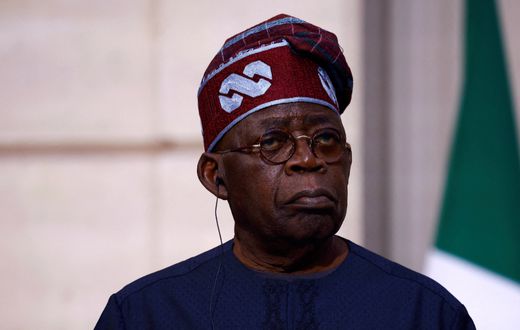
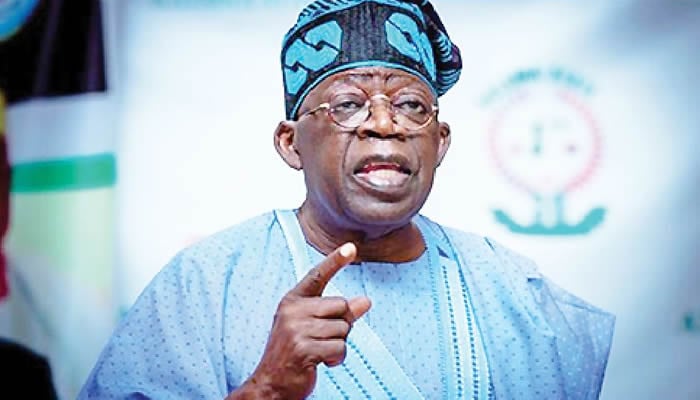
Protest in Nigeria will lead to Thiefnubu’s removal from office and his imprisonment.
If it doesn’t happen, make I bend.
@OwoBalo
Maybe you politicians can at least allow us this type since you guys don’t want wàr or military coup . It will be a major game changer here.

Source: Twitter
Online, Nigerians have been quick to respond to the unfolding situation in Nepal, drawing parallels with recent events within their own borders. On X and other platforms, some compared Nepal’s anti-corruption outrage to the #EndSARS protests in Nigeria, both spurred by demands for reform and greater government accountability. “This is a reminder that governments need to listen before things escalate,” wrote one user. Others, meanwhile, called for peaceful dialogue as the only sustainable way forward.
Social commentators across West Africa also pointed out that, while protest can be a catalyst for change, without structured dialogue and genuine reforms, such movements may spiral out of control. According to Abuja-based political observer Abdul Musa, “Nigeria’s recent history has shown that disenchantment with institutions is not unique. We must heed the warning signs from Nepal and others to avoid violence.”
Nepal Appoints First Female Prime Minister
In a significant development, Nepal has announced Sushila Karki, the country’s former chief justice, as the head of its interim government. This appointment is both historic and symbolic: at 73, Karki is Nepal’s first woman to hold the post of chief justice, and will be sworn in as prime minister on Friday, September 12. According to official reports from Kathmandu, Karki’s leadership is viewed by many as a step towards a more inclusive and democratic transition.
The context of her appointment is sobering. The Himalayan nation, home to over 30 million people, has been wracked by unrest after security forces attempted to crush demonstrations organized by young activists protesting corruption and demanding institutional reforms. Reports from reputable international media indicate that the protests led to at least 51 fatalities, prompting international outcry and an urgent call for restorative measures.
For many women’s rights advocates across Africa, Karki’s emergence as prime minister is not just a milestone for Nepal, but evidence of the global movement toward gender inclusivity in leadership. “Her rise, especially under such difficult circumstances, sends a message to women everywhere—Nigeria included—that change is possible, even in times of crisis,” said Eniola Adebayo, chairperson of a Lagos-based gender justice group.
Nepal Protests: INEC, Judiciary Receive Warning from Local Voices
Within Nigeria, developments in Nepal have stoked fresh debates around institutional credibility. In a previous story, it was reported that Timi Frank, a well-known civic activist, cautioned Nigeria’s Independent National Electoral Commission (INEC), the judiciary, and security agencies. According to Frank, these key institutions should reform and boost transparency to avoid unrest reminiscent of the violent protests witnessed in Nepal.
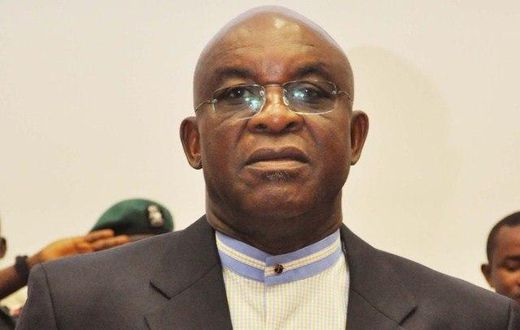
Frank also acknowledged INEC for recently recognising the David Mark-led African Democratic Congress (ADC) but maintained his criticism of the agency’s earlier partisan actions. He advocated for the adoption of electronic transmission of results as a vital step towards credible elections, echoing sentiments expressed by democracy advocates and opposition parties in both Nigeria and Ghana.
Moreover, Frank urged the US and international actors to use diplomatic and economic leverage to encourage Nigerian authorities to embrace reforms. In his words, “Without urgent reforms, Nigeria risks instability beyond the scale of #EndSARS.” This perspective resonates with diaspora communities and policy watchers alarmed by the recurring tensions between government agencies and civil society in Nigeria and the broader West African region.
- Comparisons to Other African Experiences: Historical evidence reveals that spontaneous protests can have unpredictable effects. For example, Burkina Faso’s uprisings in 2014 toppled a longstanding leader, but the transitional process was fraught with risks. Similarly, Zimbabwe’s 2017 mass mobilisations ushered in leadership changes, yet economic challenges persist to this day.
- How Can Institutions Respond? As noted by Ayo Adediran, constitutional lawyer in Abuja, “The role of transparent institutions and legal accountability cannot be overemphasized. Reforms must start with robust mechanisms for grievances and a genuine willingness to listen.”
As Nigerians, Ghanaians, and West African neighbours follow these events, the lessons are clear: stability requires both respectful engagement between authorities and citizens, and leaders who prioritise inclusive, peaceful reforms. Looking abroad can offer important examples, but every society must forge its own path with local realities in mind.
Share your thoughts in the comments below and join the conversation on social media!
Got a news tip, opinion, or story to share or sell? We want to hear from you! Reach out at [email protected] to feature your story or discuss story sales.
For general support, contact us at [email protected].
Follow us on Facebook, X (Twitter), and Instagram for more updates and featured stories!