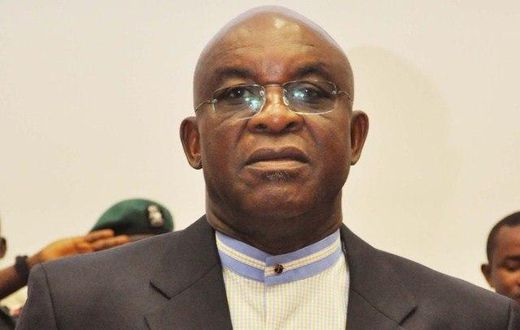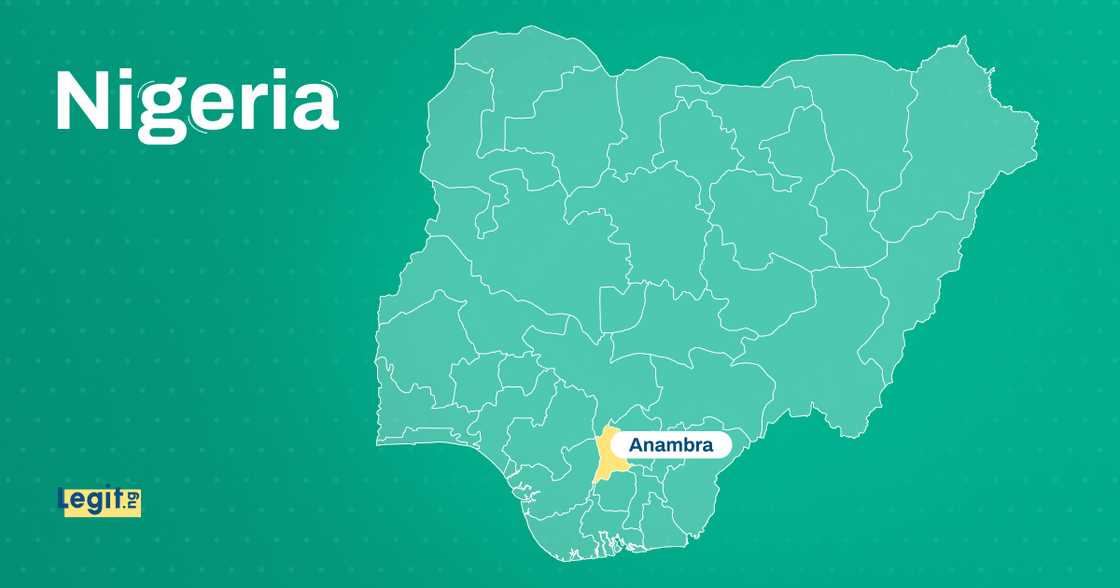


In a significant political development for Rivers State, retired Vice Admiral Ibok-Ete Ekwe Ibas, the appointed state administrator, announced that his objectives as set by President Bola Ahmed Tinubu have largely been fulfilled. This announcement follows the resumption of democratic structures at the grassroots, signaling a turnaround after recent political turmoil.
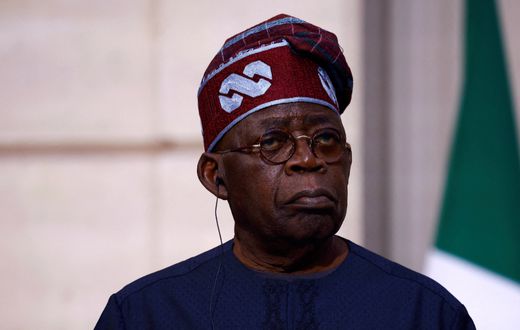
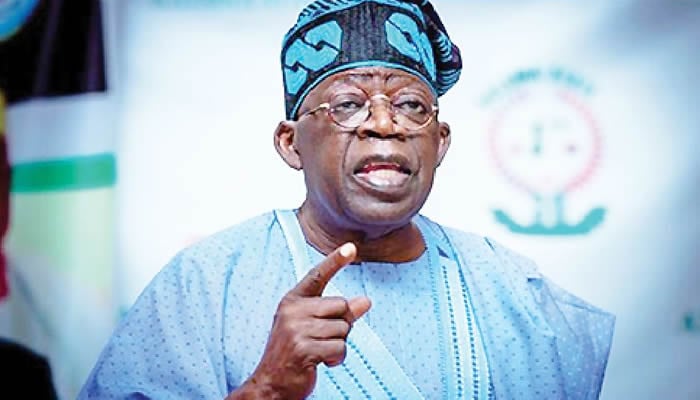
Earlier this year, President Tinubu declared a state of emergency in Rivers State, suspending Governor Siminalayi Fubara, Deputy Governor Mrs. Ngozi Odu, and all elected members of the State House of Assembly for an initial six-month period. The move, unprecedented in recent history, placed the governance of the state directly in the hands of Vice Admiral Ibas, with a mandate to stabilize the region and restore key institutions while orchestrating credible local elections.
On Friday, September 13, inside the Government House at Port Harcourt, Ibas addressed stakeholders during the official handover of the local government election report by the Rivers State Independent Electoral Commission (RSIEC). He reminded the gathering that President Tinubu’s trust required both immediate security restoration and the safeguarding of democratic practices across the state’s local councils.
Mr President’s mandate to me was clear: to stabilise the state, create an enabling environment for the re-establishment of its institutions, and return Rivers State back to full democratic governance. With the successful conduct and swearing-in of local government chairmen and their councils, I believe we have decisively achieved the mandate that we were given,” Ibas stated.
Administrator acknowledges credibility in RSIEC polls
Ibas praised RSIEC for organizing what he called “free, fair, and transparent” local elections, highlighting an atmosphere free of intimidation where citizens could make choices without fear. According to Ibas, the state government would meticulously scrutinize RSIEC’s findings and publish a white paper reflecting the administration’s reflections and recommendations. The administrator also thanked his management team, security personnel, and civil servants for their commitment throughout the emergency period, saying their dedication was pivotal in regaining public trust.
“We have achieved a critical milestone in restoring hope and accountability to the people at the grassroots,” Ibas noted. “Our collective efforts have helped to set Rivers State back on the path of stability, justice, and inclusive representation.”
RSIEC chair calls it a landmark for Nigeria’s democracy

Photo credit: Original
Source: Original
Handing over the commission’s report, RSIEC Chairman Dr. Mike Odey described the recently concluded elections as a “historic achievement” not just for Rivers State but for Nigeria. According to Dr. Odey, his commission managed to organize, monitor, and conclude comprehensive polls across all local government areas in less than 30 days—a record-setting pace in Nigeria’s often tumultuous election landscape.
“The process reflected our deep commitment to electoral integrity and citizens’ participation. This sets a new benchmark for electoral bodies not only in Rivers but nationwide,” Odey stated. He emphasized the level of coordination among stakeholders and security agencies, crediting community engagement for the high voter turnout and peaceful conduct.
“The report highlights our modest achievements, our challenges, and provides key recommendations that will strengthen future elections in Rivers State,” Odey said.
Political analyst flags risks for Tinubu in South-South
Despite the transition back to democratic governance, questions linger about the long-term implications of the Rivers State crisis on the broader political environment. Tobi Olukoya, a Lagos-based political analyst, remarked that the situation could have enduring consequences for President Tinubu’s support base in the South-South region.
According to Olukoya, “How this transition is perceived by ordinary Rivers people, and how inclusively the next phase of political appointments is handled, will be key signals for other states in the region.” He pointed out that any lingering fragmentation or distrust stemming from the period of emergency rule could affect Tinubu’s credibility, not only in Rivers but also among neighboring states with similar ethnic and political dynamics.
“For President Tinubu, the implications go beyond Rivers. The South-South remains Nigeria’s oil hub and a decisive political region.”
“Securing control through extraordinary measures may yield short-term stability, but it risks alienating voters who see federal intervention as overreach.”
“If this perception hardens, Tinubu’s influence in the region could weaken, emboldening opposition forces and complicating his efforts to build a durable political base in the South-South.”
Nyesom Wike: Federal appointments have altered Rivers political landscape
In the aftermath of the local government elections, the Federal Capital Territory Minister, Nyesom Wike—a major political player in Rivers and former governor—told media outlets that the All Progressives Congress (APC) has emerged as a robust force in Rivers, largely due to increased federal appointments to indigenes of the state.
Wike, during a session with journalists in Abuja on September 1, asserted that the allocation of federal roles to Rivers-origin politicians has shifted the chemistry of party politics in the oil-rich state. “The growing presence of APC in Rivers cannot be ignored. It’s evident that federal representation has emboldened the party against traditional opposition,” Wike observed, noting that these changes have spurred both hope and concern among residents and political observers.
His remarks triggered diverse reactions among Nigerians, with some expressing optimism at the prospect of more competitive politics, while others worried about marginalization or a lack of consensus within state political ranks. The balance between federal influence and local autonomy, analysts say, will be critical for sustainable peace and progress in the state.
Looking ahead: What’s next for Rivers and national politics?
The recent developments in Rivers State serve as a reminder of the delicate balance between federal authority and local autonomy in Nigeria’s democracy. As the state reverts to civilian governance, many will be watching how the new leaders address both the needs of their constituents and the realities of broader political alliances. With renewed interest in transparent, inclusive elections, there is cautious optimism that Rivers might serve as an example for other states facing instability.
For citizens in Rivers, the transition back to local governance opens new opportunities to engage their representatives and push for tangible change on issues like community development, youth empowerment, and security. For the Tinubu administration, the way Rivers’ situation is managed could influence perceptions heading into future electoral cycles, especially in other South-South states where political loyalties remain fluid.
How do you view the events in Rivers State? Do you think the transition to grassroots democracy has restored trust in the system, or are deeper reforms still needed across Nigeria? Share your perspectives with us and join the conversation below!