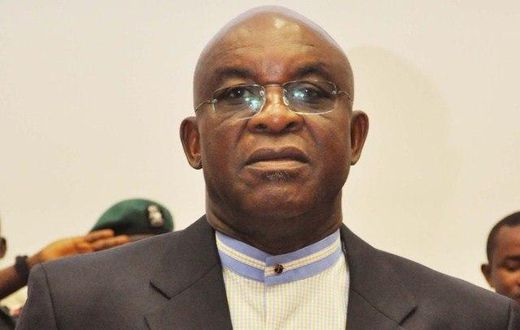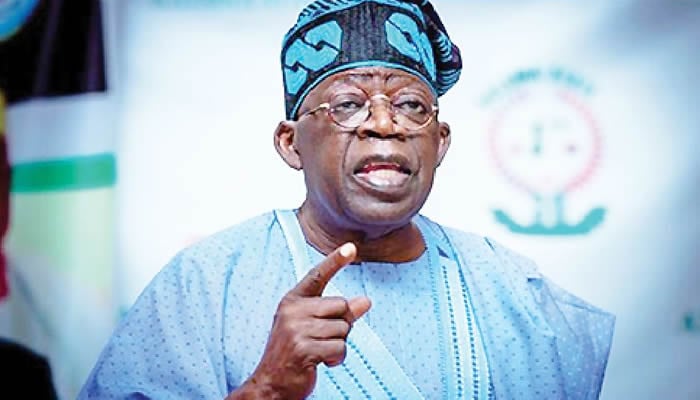


Primate Elijah Ayodele, founder and spiritual leader of the Inri Evangelical Church in Lagos, has made headlines with a bold prophecy about the future of electricity both in Nigeria and globally. Drawing on his reputation as a prominent religious figure in West Africa, Ayodele asserted that a period would arise when electricity, as humanity now knows it, would cease to exist, hinting at major shifts in how the world will power itself in the coming years.
In a recent video shared via the church’s official Facebook page, Primate Ayodele elaborated on his claims, warning that the primary source of global electricity would face significant disruptions. He emphasized the potential impact these changes could have on populations worldwide, especially in developing nations that already battle erratic power supply. Nigeria, Africa’s most populous nation, is currently plagued by persistent energy challenges, making these statements particularly resonant with many communities.
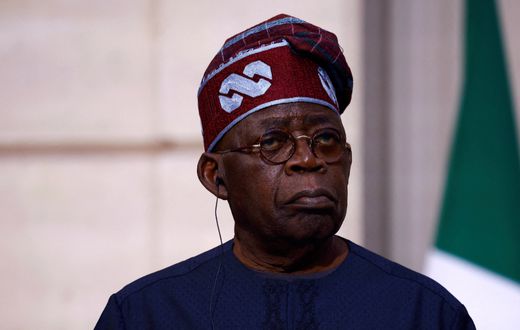
The cleric also issued a direct caution to President Bola Tinubu of Nigeria. He stressed the importance of halting any plans to further increase electricity tariffs, arguing that such actions could lead to greater hardship for everyday Nigerians already grappling with rising costs of living and unreliable service.
He said:
“This is a very important prophecy to the world. A time is coming when there would be no more electricity. The source of electricity would be changed. I see water, salt, as a component of electricity all over the world.”
He added:
“Get prepared; I see that electricity tarrif would increased between October and February (2025). I want to advise the president, ‘do all you can, don’t let it be increased. Do anything to manage it’, it is going to increase.”
Primate
https://web.facebook.com/watch/?v=1364341422362054&rdid=kx7AIbog05Xluuew
can be watched in full below:
Ayodele’s Warning to African Leaders
In a separate remark delivered through a signed statement by his media aide, Osho Oluwatosin, Primate Ayodele issued another urgent warning aimed at African heads of state. He predicted the possibility of an African president being seized, pointing out the dangers faced by long-standing leaders on the continent. This message resonates at a time when Africa has seen political uncertainty and coups, particularly in regions like West Africa and Central Africa.
Ayodele highlighted that certain presidents who have maintained their positions for extended periods were reportedly at risk of being targeted by what he described as “special forces.” This claim is reminiscent of the instability and military interventions that have rocked nations like Mali, Guinea, and Burkina Faso in recent years.
He singled out President Alassane Ouattara of Côte d’Ivoire and President Paul Biya of Cameroon, urging them to exercise heightened caution in the face of these perceived threats to their leadership.
The cleric said:
“An African president may be kidnapped, I don’t know how it would happen, but I see forces kidnapping long-term presidents in Africa. The presidents of Cote d’Ivoire and Cameroon must be careful of these too.”

Source: Twitter
Ayodele further claimed that France, under the leadership of President Emmanuel Macron, holds a hidden agenda against several African countries. He specifically mentioned Benin Republic, Burkina Faso, Mali, Niger, Burundi, and Senegal as countries that need to remain vigilant. According to him, the western world may still have lingering interests aimed at maintaining a form of control or influence over the African continent—allegations that echo long-standing debates about neocolonialism and the dynamics of foreign influence in West Africa.
Ayodele said:
“Macron has an agenda to destroy a lot of African countries; the presidents of Benin Republic, Burkina Faso, Mali, Niger, Burundi, and Senegal must all be careful.”
“They want to still enslave Africa again; the presidents must be up and doing in ensuring the continent doesn’t fall into the hands of the West again.”
TB Joshua’s Prophecy and Current Geopolitical Tensions
Earlier reports revisited a significant prophecy made by the late Nigerian televangelist, Prophet TB Joshua, in 2012. As global tensions rise—particularly following the 2025 incidents between Israel and Iran—Joshua’s earlier warnings have sparked renewed conversation among his followers and broader religious communities.
In his sermon delivered more than a decade ago, TB Joshua, who founded The Synagogue Church of All Nations (SCOAN), warned of a potentially severe conflict between Israel and Iran. At the time, TB Joshua’s prophecy was met with skepticism, but recent events have prompted fresh attention to his predictions, especially considering how geopolitical instability in the Middle East affects both global peace and economic stability—issues to which many African nations, including Nigeria and Ghana, are not immune due to their international ties.
Nigeria’s Energy Challenges and Broader Implications
Primate Ayodele’s prophecy comes at a turbulent time for Nigeria’s electricity sector. According to data from the Nigerian Electricity Regulatory Commission (NERC), grid failures and power outages remain frequent. Local experts—such as Lagos-based energy analyst Musa Adeyemi—remark that “without robust reforms and investment in alternative power sources, millions of Nigerians will continue to face energy insecurity.” Inefficient power supply hinders business growth, dissuades foreign investment, and impacts social development nationwide.
Many stakeholders in Nigeria and across West Africa are calling for a shift to renewable energy sources like solar, hydro, and wind power. In Ghana, for instance, recent government-backed projects aim to expand rural electrification and reduce dependency on traditional grids—serving as a benchmark for other West African countries. However, observers caution that the transition must be inclusive, affordable, and reliable to ensure that ordinary people are not left behind.
Public reactions to electricity tariff hikes in Nigeria have often been tense. Civil society groups and trade unions regularly stage protests whenever utility bills rise, arguing that such increases rarely translate to service improvement. “A tariff increase without corresponding service delivery will only worsen the people’s suffering,” notes Mrs. Nkechi Onuoha, a community leader in Enugu State.
Perspectives on Political Risk in Africa
Ayodele’s warning about the safety of African leaders highlights ongoing instability in several nations. In the past five years, countries like Sudan, Guinea, and Mali have experienced coups, while others remain vulnerable due to internal power struggles. Scholars such as Dr. Yemi Ogunyemi from the University of Ibadan observe that, “when leaders remain in office for extended periods without meaningful political reforms, public discontent and the risk of forceful change increase.”
The references to western interference—particularly concerning France—mirror current debates about the role of former colonial powers in Africa. Critics contend that economic and political interests from abroad continue to influence national policies, especially in the Francophone region. The situation is compounded by the surge in youth-led protests across countries like Senegal and Burkina Faso, demanding more homegrown governance and less foreign influence.
What Does the Future Hold?
While prophecies from religious leaders often spark debate, they also serve to reflect popular anxieties about the future. Amplified by recent events and persistent challenges, these warnings emphasize the need for innovative solutions to Nigeria’s power crisis, improved governance, and vigilance regarding foreign influence and internal threats to stability.
The conversation, both domestically and across Africa, remains dynamic: will Nigeria and its neighbors adapt to new realities, or do recent warnings signal deeper underlying issues? Regardless, the call for better leadership, infrastructure reform, and socio-political vigilance is more urgent than ever.
What do you think about the current state of electricity, leadership, and foreign influence in Nigeria and West Africa? Have the recent prophecies struck a chord with your experiences or concerns? Share your opinions in the comments below—your voice matters!
Have a news tip, personal insight, or electrifying story to share or sell? We’d love to hear from you! Email us at [email protected] to get your story featured or discuss story submissions.
For general support, reach out at [email protected].
Stay engaged with local and global conversations—follow us on Facebook, X (Twitter), and Instagram for the latest updates and community stories!