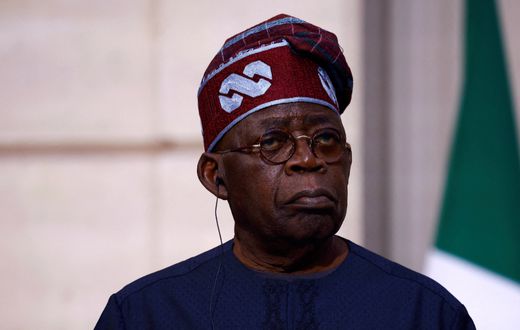
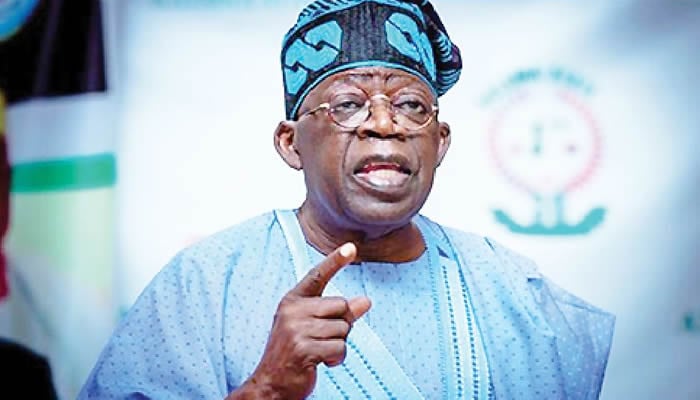
Nigeria’s ongoing economic transformation is once again in the spotlight, as Tope Fasua, Special Adviser to President Bola Tinubu on economic matters, recently defended the administration’s efforts. Speaking through an official statement on Friday, September 12, Fasua asserted that the reforms under President Tinubu are not only taking effect, but also positioning Nigeria as a potential economic model for the African continent.
According to Fasua, recent policy initiatives are laying the groundwork for long-term growth and recovery, despite ongoing challenges such as inflation, currency instability, and widespread concerns about living costs. The mood on the streets is mixed; while some Nigerians remain skeptical or frustrated, government officials maintain that structural change takes time – and that the benefits of these policies will become more evident in the years ahead.
Presidency Defends Economic Reforms Amid Criticism
Fasua highlighted notable progress that the government claims under the ‘Renewed Hope’ agenda led by President Tinubu. While acknowledging persistent hardship in various sectors, the presidency emphasizes achievements in core areas like GDP growth, the oil and gas industry, and investments in physical infrastructure.
To illustrate these moves, Fasua outlined a dozen ways the Nigerian economy has “structurally changed” in recent times, according to an analysis published on his personal website:
- The oil and gas sector now accounts for just 3% of GDP, with the non-oil sector forming the bulk of economic output. This diversification reflects a longstanding national objective and is consistent with trends in emerging markets working to reduce dependency on commodity exports.
- Nigeria has reportedly seen a 30% increase in non-oil exports and a 30% reduction in imports. This, according to the presidency, enhances the country’s ability to generate foreign exchange and manage its balance of payments.
- There is a growing emphasis on the entertainment industry, which remains a vital avenue for youth employment and soft-power exports—particularly with Nigeria’s ascendant Afrobeats, Nollywood, and digital arts.
- Domestic manufacturing output has increased, allegedly spurred by a weaker naira that discourages excessive imports and incentivizes local production. However, critics point out that inflation and high energy costs continue to challenge manufacturers.
- The addition of value to raw materials is emerging as an engine of growth. Manufactured exports—particularly in Fast-Moving Consumer Goods (FMCGs), and intriguingly, automobiles—are on the rise within the West African sub-region.
- Nigeria’s oil and gas landscape is described as “new,” with the country now reportedly exporting refined petroleum from local mega-projects like Dangote’s refinery to markets as far as the US, Saudi Arabia, and the UAE. Conversely, Nigeria has become a net importer of crude oil—reflecting changing dynamics and in-country capacities. Notably, reports of perennial long petrol queues have waned, attributed to increased local refining.
- Hard infrastructure—roads, bridges, and off-grid electricity like solar—is expanding at state level, boosted by Federal Government investment. Fasua notes that these long-term projects are vital for alleviating multidimensional poverty.
- Wages across both the private and public sector have increased for many, claimed Fasua, which may help cushion inflation’s impact. Additional tax reliefs are projected to roll out from January 2026, although workers have voiced concerns about rising prices undoing pay raises.
- Non-oil commodities exports, such as cocoa, cashew, and soybeans, are becoming more attractive due to a cheaper naira. Cocoa exports alone reportedly earned Nigerians ₦4 trillion in 2024, with projections of higher returns in 2025. There is anecdotal evidence, Fasua claims, of people returning to agriculture—particularly in cocoa, palm oil, and cashew—to take advantage of positive market trends. Yet, challenges in logistics and insecurity remain real threats to the sector’s growth, as noted by the Nigeria Export Promotion Council.
- By focusing economic activity on the naira rather than the dollar, Fasua argues, more business opportunities have opened up for local entrepreneurs and SMEs. Some business owners in Lagos and Abuja told our reporters that while the naira’s volatility complicates planning, a renewed push for “Made in Nigeria” products is creating opportunities in sectors from tech to agro-processing.
- The naira’s recent relative stability is purportedly reversing unnecessary foreign currency losses. Fasua points to a notable trend: prestigious foreign educational institutions such as Charterhouse and King’s College establishing campuses in Nigeria—reducing the “japa” (mass emigration) movement, particularly for master’s degree seekers. Independent analysts, however, caution that many families still aspire to opportunities abroad due to concerns about local job markets and educational quality.
- Rising foreign reserves—reportedly at $42 billion and increasing—are helping to underpin the naira and bolster international confidence. However, institutions like the Central Bank of Nigeria continue to face pressure to maintain prudent monetary policy and keep reserves steady amid global economic headwinds.
While these claims signal optimism, independent experts urge caution. “Policy implementation remains patchy, and we need stronger monitoring and transparency to truly assess progress,” said Dr. Chinedu Nwankwo, a Lagos-based economic analyst, in a phone interview. “It’s encouraging to see attention to non-oil sectors and local enterprise, but inflation, unemployment, and persistent insecurity still weigh heavily on people’s daily lives.”
Addressing Food Prices: Government Moves to Tackle Cost of Living
Alongside broader economic reforms, rising food prices remain a major concern for most Nigerians. Recently, President Tinubu instructed the Federal Executive Council (FEC) to develop and enforce urgent strategies to bring down the cost of essential food items nationwide—a move widely seen as a response to mounting public frustration about affordability.
Aliyu Sabi Abdullahi, Minister of State for Agriculture and Food Security, announced the directive at a capacity-building workshop for Senate correspondents in Abuja. The government’s focus, according to Abdullahi, is to ensure ease of movement for agricultural produce, addressing issues such as high transport costs, multiple checkpoints, and insecurity along major routes.
Market surveys show that prices for staples like rice, gari, and beans have climbed significantly over the past year. Producers and traders cite increased transportation costs, insecurity in rural areas, and currency depreciation as contributing factors. In a recent interview, Abuja-based farmer Mrs. Grace Agbaje stated, “Getting our goods to market is harder now because of roadblocks and bandit activities. Even when production improves, prices are still high because logistics are expensive.”
Local experts recommend a holistic approach—including investment in rural infrastructure, improved security, and incentives for mechanisation—to ensure policy translates into lower prices at the consumer level. “It’s not enough to produce more food; you need an environment where products can move freely across the country,” explained Professor Samuel Odede of the University of Ibadan. “Only then will ordinary Nigerians feel real relief.”
Regional and Global Perspectives: Lessons for Africa
Nigeria’s ambitious economic reforms have drawn close attention from observers elsewhere in Africa, particularly as other nations grapple with similar challenges of diversification and macroeconomic volatility. Some, like Ghana and Côte d’Ivoire, face their own currency woes and are closely monitoring Nigeria’s handling of foreign exchange, local industry development, and agricultural policy.
International agencies such as the African Development Bank (AfDB) and World Bank have noted the urgent need for robust reforms across the region. In its latest report, the World Bank praised Nigeria’s renewed focus on non-oil sectors but cautioned that “consistent, transparent implementation and social safety nets are essential for success,” especially for the most vulnerable.
As Nigeria seeks to reshape its economic destiny, the balancing act remains difficult: unleashing potential while protecting citizens against hardship. The coming months will be crucial for evaluating the true impact of these reforms, especially as global economic uncertainty and local challenges persist.
Do you believe these reforms will truly transform Nigeria’s economy and daily life, or are more fundamental changes still needed? What are you experiencing in your own community? Drop a comment below and share your perspective!
For general support, questions, or newsroom tips, contact us at [email protected].
Be part of our community! Follow us on Facebook, X (Twitter), and Instagram for daily updates, news, and more ways to share your voice.