

The Abuja Electricity Distribution Company (AEDC) recently notified residents across parts of Abuja about ongoing power cuts resulting from unexpected technical problems. This has led to significant disruption for many homes, businesses, and public institutions within the Federal Capital Territory (FCT).
AEDC’s official notice said the faults have disrupted major feeders, preventing stable electricity supply to various estates, neighborhoods, and key facilities. The company assured it is working to restore power as quickly as possible, though no definite timeline for resolution has been given. Below are more details on those currently affected.
AEDC
https://x.com/aedcelectricity/status/1966417874395816362
“We regret to inform you that the current power outage is due to technical faults affecting the feeders serving the affected areas.
Our technical team is working tirelessly to restore power supply as quickly as possible. We sincerely apologize for the inconvenience this may cause and appreciate your patience and understanding.”
List of Affected Areas
Residents in a number of districts under AEDC’s coverage have been directly impacted by the outages. Some of the main areas include:
Gwarinpa axis and surrounding locations: Mona Estate, Public Service Institute, Efab Metropolis, Ipent 7 Estate, Mab Global Estate, Camp David Estate, Adkan Beulah Estate, Fyn Stone Estate, Sahara Estate, Balham Estate, Eolice Estate, Ald Estate, Deltaha Estate, Brookshore Estate, Lamako Estate, Kafe Garden Estate, Chellville Estate, Efab Queens Estate, and their neighboring communities.
Other affected environments are Prince & Princess Estate, Kaura District, Dubai Market, selected areas along Adisa and Durumi New Site, Ajuji Hot Sharia Court, Ibrahim Waziri Crescent, Zenith Medical, Ecowas Community Court, Zone D First Gate, and numerous adjacent places.
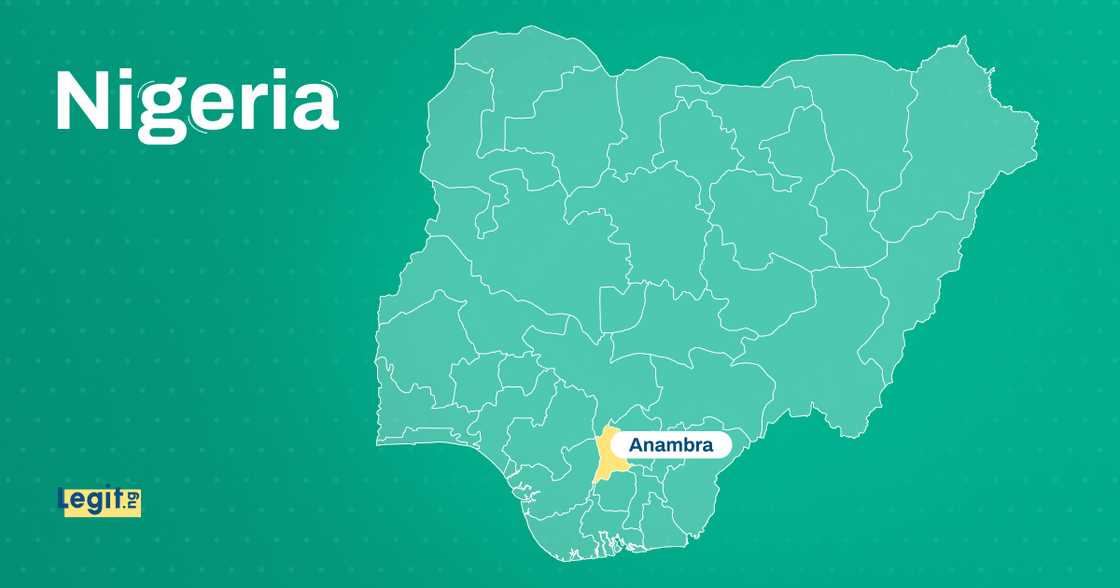
Additionally, Maitama Police Station, Anambra Crescent, Belgium Embassy, Sangha Crescent, sections of Mississippi Street, and vicinity continue to experience blackouts.
https://x.com/aedcelectricity/status/1966513042750869975
: Kampala Street, Cairo Street, PTF Quarters, and surrounding localities are also listed.

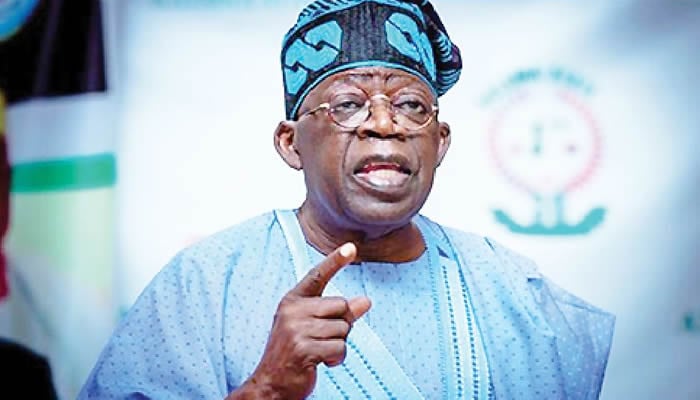
Photo: Presidency
Source: Facebook
Nigeria’s Enduring Electricity Woes
These recent local disruptions are the latest in a pattern of power supply challenges faced by residents nationwide. In fact, not long ago, the entire country was plunged into darkness following the collapse of the national power grid—a problem that has become all too familiar for many Nigerians.
Several electricity distribution companies (DisCos), including those in major urban centers, responded on social media with apologies and explanations. The blanket outage lasted more than two hours, affecting not only domestic energy use but also critical public and business operations.
One message from Ikeja Electric, Lagos State’s largest electricity distributor, captured the mood of frustration, acknowledging the inconvenience and urging patience as efforts were underway to restore power.
“Dear Esteemed Customer, please be informed that we experienced a complete loss of supply to all our feeders at 11:20 hrs today (10/09/2025).
“We regret any inconvenience this may have caused and appreciate your understanding as we work in collaboration with our critical stakeholders to restore supply promptly. – Management, Ikeja Electric.”
Federal Government Reassures Nigerians of Power Sector Progress
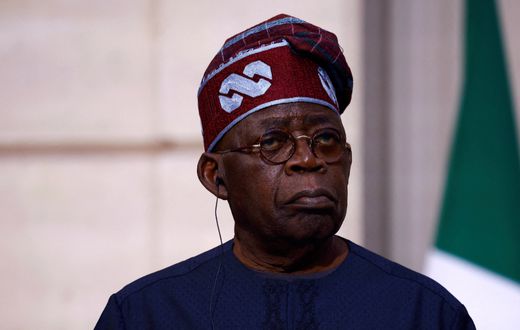
Amid the persistent electricity crises, the federal government, under President Bola Ahmed Tinubu, has reiterated its commitment to overhauling and stabilizing Nigeria’s power supply. In Abuja, Minister of Power Adebayo Adelabu highlighted ongoing initiatives meant to lift the sector out of its current inefficiencies.
During the inauguration of new infrastructure at the National Power Training Institute of Nigeria (NAPTIN)—comprising two wings that now host five training workshops and 104 hostel rooms—Adelabu called these upgrades a “milestone” for both the institution and the broader power ecosystem.
“President Tinubu’s administration has shown clear commitment by not just making promises, but by taking concrete steps towards transforming the sector,” Adelabu remarked. The Minister emphasized that improved training facilities will strengthen local capacity, ultimately supporting more reliable electricity delivery across Nigeria.
Resident Experiences and Community Response
For many in the FCT and beyond, power outages do more than disrupt daily routines—they create insecurity, hinder economic activity, and affect critical health services. A resident of Gwarinpa, Mrs. Ada Obi, told NowahalaZone: “We’ve learned to expect these blackouts, but it’s very disruptive, especially for small businesses and students preparing for exams.”
Businesses relying on refrigeration, ICT infrastructure, or constant power report losses whenever outages strike. “We spend much more on fuel for generators than we can afford, and the uncertainty makes it hard to plan ahead,” explained Mr. Adewale, the owner of a neighborhood grocery shop.
Regional and Continental Context
Power challenges are not unique to Nigeria—several West African countries, including Ghana, also experience periodic grid failures and rationing. However, the scale of Nigeria’s population and economy means outages have outsized impacts locally and across the ECOWAS region.
African energy reform advocates stress the need for upgraded infrastructure, diversified power sources (like renewables), and accountability in management as ways forward. Progress has been gradual, but investment and reforms remain high on the agenda for both governments and regional development partners.
What’s Next for Power Customers?
As AEDC and other utilities race to address technical faults, Nigerians are watching closely for signs of steady improvement. Experts say more transparent communication, customer engagement, and investment in local talent will be key if trust is to be rebuilt.
In the meantime, many households and businesses continue to rely heavily on generators and alternative energy, despite the added costs and environmental concerns. Residents are urged to monitor official channels for updates and to report any safety or technical issues observed during repairs.
For now, the question on everybody’s mind remains: Will future reforms deliver the stable, 24/7 electricity supply that both citizens and businesses deserve—and that has been repeatedly pledged by successive Nigerian governments?
How have recent power outages affected you or your community? What solutions do you want to see from government and power companies? Drop a comment below and join the conversation!