

Polestar 3: A Modern Electric SUV Experience for Nigerian Roads
When you enter a car and discover that even something as simple as the glovebox needs an electronic switch to open, you quickly realise you’re not in a typical vehicle. The Polestar 3 delivers this kind of out-of-the-ordinary experience, blending Scandinavian innovation with futuristic design and technology. As electric vehicles (EVs) continue to gain traction in global markets, including in Nigeria and other West African countries, the Polestar 3 aims to set itself apart—bringing a premium feel and advanced tech to our roads, albeit at a luxury price point.
Infotainment and Design: A Glimpse Into the Future
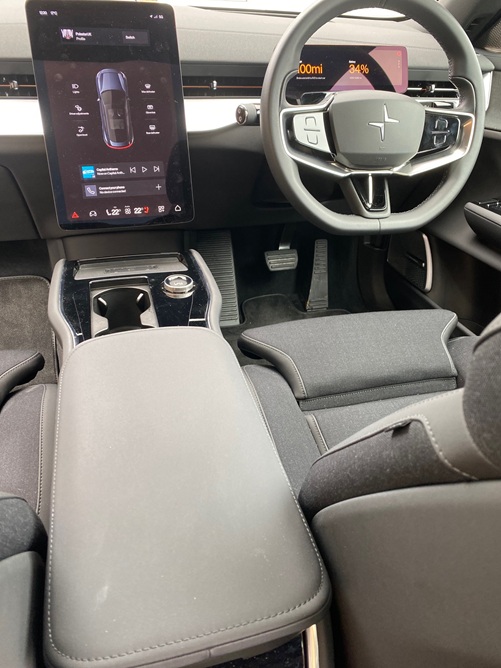
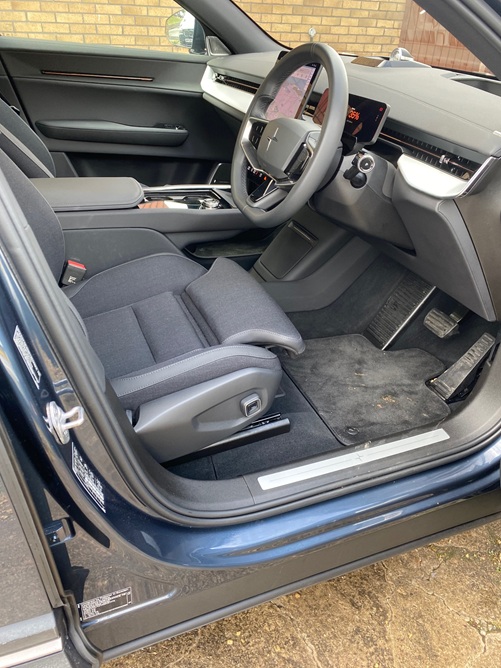
According to Polestar’s official specifications, the Polestar 3’s cockpit centers around a prominent 14.5-inch vertical touchscreen, reminiscent of a high-end tablet or laptop. This display is more than a flashy feature—it’s the car’s main portal for controlling countless functions, from navigation to vehicle settings. Sitting behind the wheel, it’s easy to be captivated by the sheer depth of controls and options, and it’s clear that a bit of time is needed to become familiar with all that’s on offer.
The steering wheel design follows the trend of minimalism, with just two toggles on each side. These toggles, when paired with the responsive central console, allow for myriad customisations—from adjusting the mirrors and steering column angle to fine-tuning driving dynamics. Meanwhile, traditional stalks still handle the indicators and wipers, offering a sense of continuity for those used to more conventional vehicles.
The ability to save individual settings and preferences makes the Polestar 3 appealing to family users or anyone sharing the vehicle. You can configure what information appears on the simple 9-inch driver display or even on the head-up display, improving both convenience and safety for drivers across Nigeria’s busy streets and highways.
Polestar Production: Bridging Continents, Facing Local Realities
As reported by Reuters, the Polestar 3 is notably the brand’s first vehicle assembled on two continents: initially in Chengdu, China, then expanded to Ridgeville, South Carolina in the United States. While international production can bolster supply and possibly influence pricing, it’s important to note that, according to Polestar, eligibility for some European or UK EV incentives doesn’t extend to this model due to its manufacturing location. For Nigerian buyers, no local electric vehicle subsidies exist yet, so price remains a critical factor—Polestar 3’s UK retail cost starts at an estimated £69,910, making it a luxury purchase relative to standard SUVs on Lagos or Abuja roads.
Performance on Diverse Terrains: Ready for the West African Challenge?
Polestar’s engineering, based on the SPA2 platform co-developed with Volvo and using NVIDIA hardware for “core computing,” brings two electric motors with balanced output to power all four wheels. Their symmetrical setup (as stated on Polestar’s website) makes the SUV especially competent for light off-road use or slippery conditions, which is often the case on Nigeria’s diverse road networks—especially during the wet season. For further adaptability, the air suspension can raise the vehicle by up to 25 centimetres, providing clearance for rural roads, speed bumps, or the unpredictable floods that sometimes hit urban Nigerian streets.
Meanwhile, in normal road mode, the Polestar 3 offers a firm and controlled ride, ideal for the open road between cities like Lagos and Ibadan or Accra and Kumasi. Critics abroad, such as Car and Driver, have praised its handling and performance, with the vehicle competing with the likes of the Porsche Cayenne, BMW iX, and Audi Q8 e-tron—SUVs already familiar to West African luxury car enthusiasts.
Signature Styling Meets Sustainability
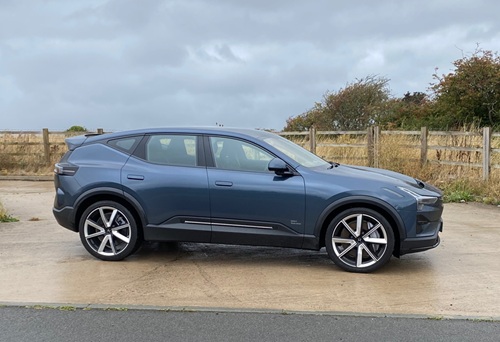
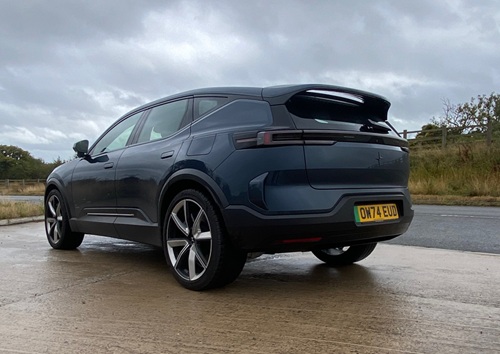
Design is a major selling point for the Polestar 3. According to company claims, the car’s styling—characterized by an assertive front end, low roofline, and wide stance—signals both status and modernity. Those accustomed to the elevated driving position of an SUV will appreciate this aspect, but Polestar rounds it off with something extra: the inclusion of advanced aerodynamic features, like front/rear aero wings and blades, intended to improve range and efficiency on longer journeys.
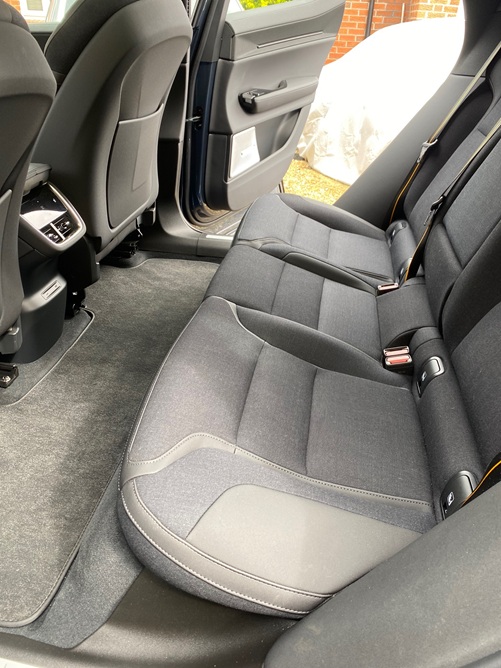
Polestar states that sustainability is at the core of their materials strategy. The cabin uses recycled plastics, aluminum, and a new textile called bio-attributed MicroTech, which replaces some petroleum with pine oil in its manufacturing. While these features reflect global environmental priorities, eco-friendly luxury is an especially pertinent message for the growing number of Nigerian and Ghanaian consumers interested in climate-smart lifestyle choices.
Driving Experience: Acceleration, Control, and Customisation
Central to the Polestar 3’s driving experience is its dual-motor setup (delivering up to 483hp as per the manufacturer) and sophisticated chassis. The SUV incorporates advanced rear-axle torque vectoring supplied by BorgWarner—optimising traction and stability even on challenging road conditions found across Nigeria’s cities and remote areas.
Drivers can adjust steering responsiveness, select their preferred level of regenerative braking—which Polestar claims makes a tangible difference in real-world range—and tailor their driving setup all from the main display. Strong regenerative braking, coordinated with navigation data, intelligently helps drivers squeeze out extra kilometers on a charge, which is especially valuable given Nigeria’s current limitations in EV charging infrastructure.
Space, Comfort, and Daily Practicality
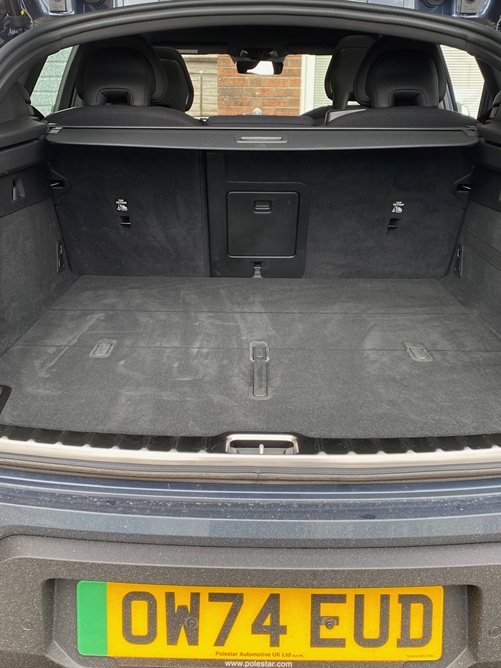
The Polestar 3’s interior is designed with families in mind. There’s ample storage throughout, including a boot capacity exceeding 1,400 litres (including the versatile 40/20/40 folding seatbacks, according to official specs), and a front trunk (“frunk”) for additional storage needs. For West African users—who often require flexible cargo space for business or family trips—this feature will be much appreciated.
Each seat provides extensive adjustment, from side bolsters to lumbar support, and the climate controls offer individualised settings for both rows, plus seat heating and cooling. According to owners in global markets, ride comfort is strong even on rough roads, with the car’s substantial weight (over 2.6 tonnes) smoothing out most imperfections. However, taller users should note that the Polestar 3’s low roofline requires a degree of caution on entry and exit—an important consideration for the diverse range of drivers and passengers in Nigeria and Ghana.
Technical Features and Real-World Range
Polestar officially claims a range of up to 330 miles (531km) on a full charge under ideal conditions. Real-world experience, as reported by Autocar UK and echoed by early adopters elsewhere, suggests that heavy traffic, frequent acceleration, or adverse weather may somewhat reduce this figure. Fortunately, the Polestar 3 includes intelligent software that guides drivers to the nearest compatible chargepoint—an especially valuable function as Nigeria’s EV infrastructure develops.
Beyond range, the car features robust braking via a “brake-by-wire” system for reassuring stopping power, and a host of sensors and cameras to aid with parking and maneuvering through Nigeria’s crowded city centers. The touch-sensitive indicators and other secondary controls may require some adjustment, but become intuitive with use.
The Nigerian and West African Context: Opportunities and Challenges
Access to reliable electricity remains a significant hurdle for electric car adoption in Nigeria and the wider West African region. As highlighted by local analysts in the Nigerian automotive sector, charging infrastructure is limited and concentrated in select urban areas. For now, electric vehicles like the Polestar 3 are likely to appeal to well-resourced individuals or businesses able to invest in private charging setups at home or in workplaces.
However, interest in sustainable and luxury mobility is rising, especially among upwardly mobile professionals and entrepreneurs in Lagos, Abuja, Accra, and beyond. Stakeholders in the local automotive industry have called for incentives—tax breaks or reduced customs duties—as potential drivers for broader EV adoption. As seen in South Africa and Morocco, countries advancing national EV policies, substantial change is possible when public and private sectors collaborate. Some experts also emphasize the importance of vehicle adaptability, spacious interiors, and robust mechanicals for African roads—criteria the Polestar 3 appears to meet, although at a premium price.
Summary Table: Quick Facts at a Glance
- Model: Polestar 3 Long Range Dual Motor SUV
- Estimated Price (UK/EU): £77,610 (check with importers for local pricing)
- Powertrain: 483bhp, twin electric motors, 400V 111kWh battery, AWD
- Top Speed: 130mph
- 0-60mph Acceleration: 4.8 seconds
- Range: Up to 330 miles (531km, manufacturer estimate)
- Insurance Group: 50 (varies by region)
- Emissions: Zero local CO2
- Bik/Registration: 3% benefit-in-kind (UK), VED rates vary
- Warranty: 3 years/60,000 miles, battery 8 years/100,000 miles
- Dimensions: Length 4.90m, Width 1.97m, Height 1.62m
- Boot/Frunk Space: 484 to 1,411 litres (boot), 32 litres (front trunk)
- Kerb Weight: 2,623kg
Pros and Cons According to Industry Reviewers
- Pros: Very spacious with premium seats and climate, strong acceleration, fast charging capabilities, long electric range, advanced tech and safety features, robust braking, adjustable steering, and a high-quality finish.
- Cons: Some road noise, a learning curve for the high-tech features, possible blind spots, occasional firmness on bumpy roads, large turning circle, and not as nimble as some smaller SUVs.
Conclusion: Is the Polestar 3 Right for Nigeria?
The Polestar 3 positions itself as a futuristic, highly capable electric SUV, likely to turn heads in West Africa’s luxury car scene. Its advanced safety features, customizable driving experience, and sustainable materials appeal to a modern, environmentally conscious audience. However, the SUV’s high price and reliance on robust charging infrastructure mean it remains a niche option for now.
According to local automotive observers, the Polestar 3 sets a high benchmark for future EV entries in Nigeria and Ghana, and could encourage further investments in charging infrastructure and green mobility. As electric vehicles continue to gain ground worldwide, the key challenge for our region remains access—both in terms of affordability and charging support.
Have you experienced an electric car in Nigeria or Ghana? Do you believe advanced EVs like the Polestar 3 can thrive here despite infrastructure challenges? Share your thoughts.
Food inquiries: [email protected]
General support: [email protected]
Story sales/submissions: [email protected]
Follow us on Facebook
Follow us on X (Twitter)
Follow us on Instagram