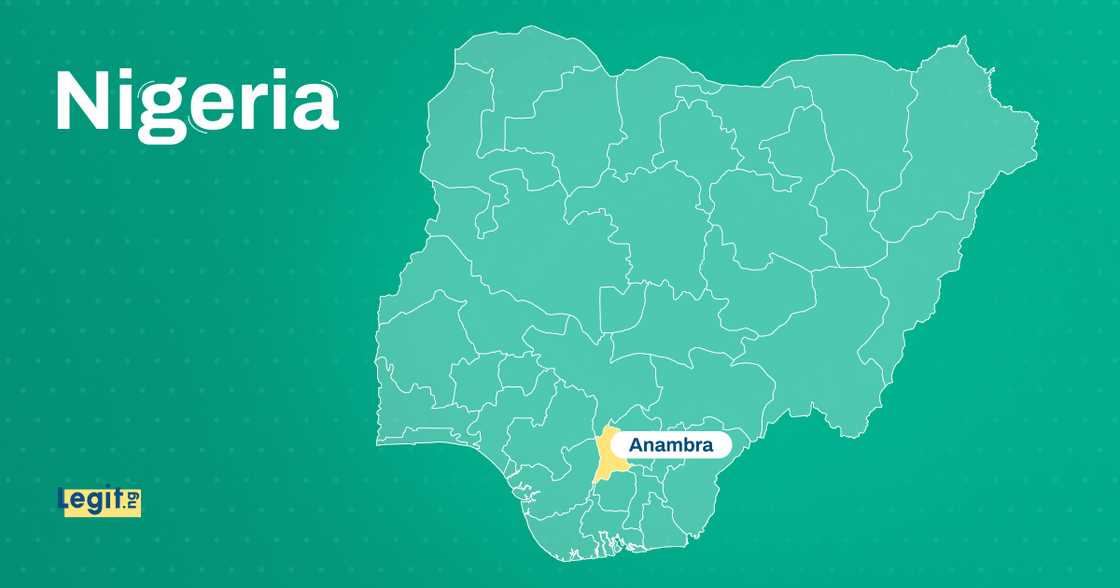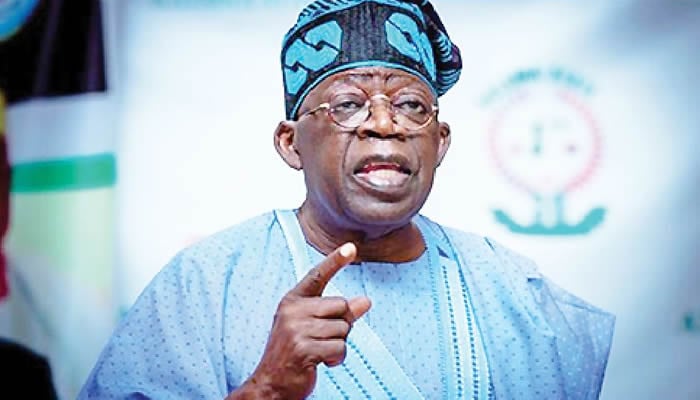


The former Governor of Anambra State and the 2023 presidential hopeful for the Labour Party has once again made headlines as he returns to his public responsibilities after a brief medical hiatus. Over the weekend, he took a necessary pause from all his commitments, heeding medical advice to rejuvenate before diving back into his activities.
This pause saw him taking a complete break from his engagements, both within Nigeria and abroad, emphasizing the importance of health and well-being before service. On Monday, marking his return to the public sphere, he fulfilled a commitment he had made to visit a small business that piqued his interest during one of his outreach efforts. Reflecting on this, he expressed gratitude to those who supported him during his brief absence, emphasizing the significance of community and collective support.
On his resumption, he made good on his promise by visiting a small to medium-sized enterprise (SME), highlighting the efforts of local entrepreneurs he had met on his journey. In his reflections, he expressed appreciation not only for the warm wishes he received during his short break but also for the vibrant entrepreneurial spirit he witnessed at the SME. His words resonated with admiration as he detailed his visit and the enlightening conversation he had with the entrepreneur.
His first point of call was Maison de Helen (MDH), a prestigious Nigerian luxury fashion brand established over three decades ago. Launched in 1990 by the talented designer Helen Unuane, this brand has carved a notable niche for itself, both locally and beyond. Helen’s journey into fashion was inspired by her mother, and today, it is her daughter Elsie Unuane who carries forward the family legacy, showcasing a blend of traditional craftsmanship and modern innovation.
Capturing the essence of this enterprise, he noted it was not merely a textile house but a testament to the innovative and entrepreneurial spirit inherent in Nigeria. He spoke of how such creativity and heritage could make a significant impact on the global scene, symbolizing Nigeria’s potential and capacity to shine brightly in competitive international markets.
During his visit, he emphasized the vital role that small and medium enterprises play in fortifying the Nigerian economy. With MDH directly and indirectly employing over 50 young Nigerians, it showcases how SMEs can serve as robust engines of job creation and economic growth. This visit not only underscored the current impact but also pointed towards the untapped potential that could be further enhanced with strategic investments and comprehensive government support.
His engagement with MDH highlighted a broader narrative—one where adequate investment, policy reforms, and robust support systems could allow Nigerian businesses to multiply their contributions to the economy, enhance employment, and foster sustainable development. He encouraged policymakers and industry stakeholders to recognize the transformative potential of SMEs and to take concerted actions that would enable these enterprises to thrive and expand.
His call to action was clear—supporting local businesses is not merely an economic imperative but a cultural duty. By investing in home-grown brands and entrepreneurs, Nigeria can pave the way for a self-sustaining economy that hinges less on external dependency and more on native ingenuity and resourcefulness.
In a country rich with talent and ambition, yet faced with challenges ranging from infrastructure deficits to limited financial access for small businesses, his visit spotlighted the need for concerted efforts to bridge these gaps. Government initiatives, coupled with private sector collaboration, could unlock new horizons of progress, making the dream of an economically self-reliant Nigeria a reality.
Reflecting on his encounter with the entrepreneurial world of MDH, he urged fellow citizens to support local industries, whether in fashion, tech, food, or other sectors, to build resilient communities and a resilient nation. These endeavors, though local, had global implications, proving that Nigerian businesses hold promise and potential to make waves on international stages.
As he continues with his public engagements, the former governor’s spotlight on SMEs serves as an inspiring reminder of the power of local initiatives and the importance of nurturing them for a prosperous future. His initiative invites us all to think about how we can contribute to a thriving national enterprise around us.
What are your thoughts on the role of SMEs in shaping Nigeria’s economic landscape? Share your opinions, stories, or ideas in the comments below and let’s discuss how we can all contribute to supporting and growing our local businesses.