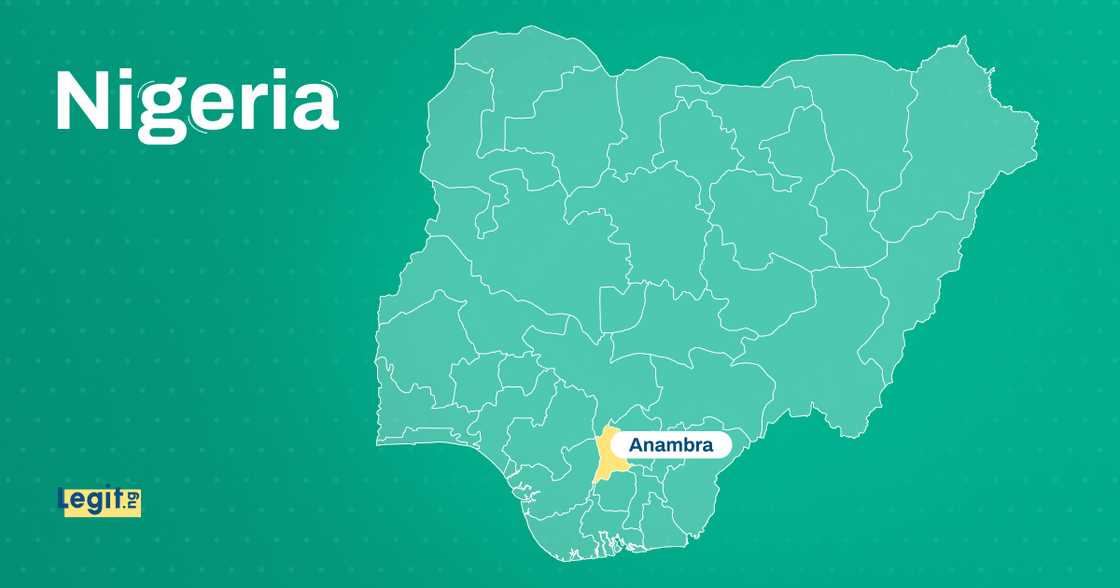


In a significant move aimed at fostering unity and discipline within its ranks, the Peoples Democratic Party (PDP) Anambra State chapter has constituted a seven-member disciplinary committee. This development, which was formalized in Awka on a recent Friday, comes at a time when intra-party cohesion is seen as crucial for the PDP’s prospects ahead of future elections not only in Anambra but across Nigeria’s political landscape.
Chief Odili Ojukwu has been appointed as the chairman of the committee, with Mr. Obinna Ogugua serving as secretary. The full list of members includes Mrs. Uju Edochie (the Deputy Chairman), Mr. Chris Maduagwu, Mr. Nnamdi Nwangwu, Chief Casmir Ilechukwu, and Chief Okechukwu Ekemezie. This diverse team represents various interests and constituencies within the state PDP, reflecting an effort to ensure broad-based input and accountability.
Mr. Chidi Chidebe, the current chairman of PDP in Anambra, while inaugurating the disciplinary committee, stressed the importance of upholding party discipline, internal rules, and the constitution that guides the PDP’s operations. Chidebe charged the committee with the critical task of maintaining ethical standards within the party, especially as political parties in Nigeria have recently faced challenges over internal divisions and defections.
He explained that the committee is specifically empowered to:
- Investigate cases of misconduct among party members
- Address alleged anti-party activities or actions potentially harmful to the PDP’s reputation
- Recommend appropriate sanctions, such as reprimand, suspension, or expulsion, strictly in line with the party’s constitution
- Provide findings to the State Working Committee (SWC) for final approval and implementation
“This committee has a sacred duty to protect the integrity of our party,” Chidebe stated, emphasizing the need for impartiality, strict confidentiality, and unwavering commitment to the founding ideals of PDP. He advised that all committee decisions must reflect fairness and due process, contributing to the wider effort to deepen party democracy in Nigeria.
The duration of appointments for the disciplinary committee members, according to the chairman, will be determined by the State Executive Committee (SEC). This arrangement provides room for assessment and possible reshuffling based on performance and the evolving needs within the party.
Quoting the official party guidelines, Chidebe said, “The SEC of the PDP in Anambra, acting in compliance with Chapter 10, Article 57 (1)(2) of our constitution, has officially approved the formation of this disciplinary committee. It is now your responsibility to help restore confidence, discipline, and trust within the party.”
The importance of such committees at state and local levels cannot be overstated, analysts say. According to political affairs expert Dr. Kufre Ibekwe, “Effective disciplinary measures strengthen party unity and help minimize the kind of factionalism that has weakened several major parties in Nigeria historically. If the Anambra PDP gets this right, it sets a positive precedent that other state chapters might emulate.”
Beyond internal politics, the creation of this disciplinary committee is especially relevant for the PDP as the Anambra political terrain is known for its vibrant multiparty competition and frequent realignments. Historically, disputes over candidate selection and zonal representation have sometimes boiled over into public spats, affecting the PDP’s chances during critical elections. By investing in mechanisms that address grievances promptly and transparently, the party hopes to mitigate future internal crises.
Local perspectives signal cautious optimism. Madam Ndidi, a long-standing PDP member in Onitsha, noted, “We want to see fair treatment for everyone, not just the big men at the top. If this committee works well, maybe ordinary members will have more faith in our party’s processes.” This sentiment is echoed by grassroots activists who have often called for more robust internal checks and balances within all Nigerian political parties, not just the PDP.
On the regional scene, West African democracies such as Ghana and Senegal have similarly grappled with issues of party discipline. In Ghana, the National Democratic Congress (NDC) has employed disciplinary panels at various organizational levels, while in Senegal, party discipline sometimes becomes a battleground for political succession. The Anambra PDP’s approach aligns with broader continental trends emphasizing party stability as crucial for democratic consolidation.
Globally, parties with robust disciplinary mechanisms are generally better equipped to maintain electoral relevance and public trust. According to a 2022 report by the Center for Democracy and Development (CDDD), “Catastrophic electoral losses in African parties often follow cycles of internal breakups and unaddressed allegations of misconduct.” In this light, Anambra PDP’s recent decision may be viewed as a strategic step to prevent such outcomes.
Nevertheless, challenges could remain. Enforcement of disciplinary measures in high-stakes political environments frequently encounters resistance, particularly if powerful figures are implicated. According to local legal analyst Barrister Osemene Uzoma, “While the committee’s intention is noble, the real test lies in its ability to operate without political interference, especially when decisions could impact heavyweights within the party.”
Some critics suggest that disciplinary committees across Nigerian parties have not always functioned independently. Dr. Ibekwe observes, “Often, such committees are swept aside when politically expedient. For this initiative to succeed, the PDP must ensure it truly empowers the committee with autonomy and resources, while guaranteeing the right of appeal for aggrieved members.”
Looking ahead, the Anambra PDP’s renewed commitment to discipline will be closely watched by politicians and voters alike, both within the state and beyond. The outcome may offer lessons on how Nigerian political parties can rebuild grassroots support and restore credibility amid declining trust in mainstream institutions.
In summary, the inauguration of the seven-member disciplinary committee signifies a renewed effort within Anambra PDP to address indiscipline and foster internal reconciliation. As the committee begins its work, many hope it can serve as a model for transparent and fair intra-party governance—an aspiration vital for the democratic process in Nigeria, West Africa, and across the continent.
How do you think disciplinary action should be handled within Nigerian political parties or in your own country? Have you witnessed similar efforts to restore trust and unity within political organizations? Drop your thoughts in the comments and follow us for more updates as this story unfolds.
Have a story to share or sell? We want to hear from you! If you have first-hand news tips, political scoops, or stories from your community, reach out to our team at [email protected] and get your voice heard on our platform. For general support, email [email protected].
Stay connected with us for the latest in Nigerian and West African news by following Facebook, X (Twitter), and Instagram!