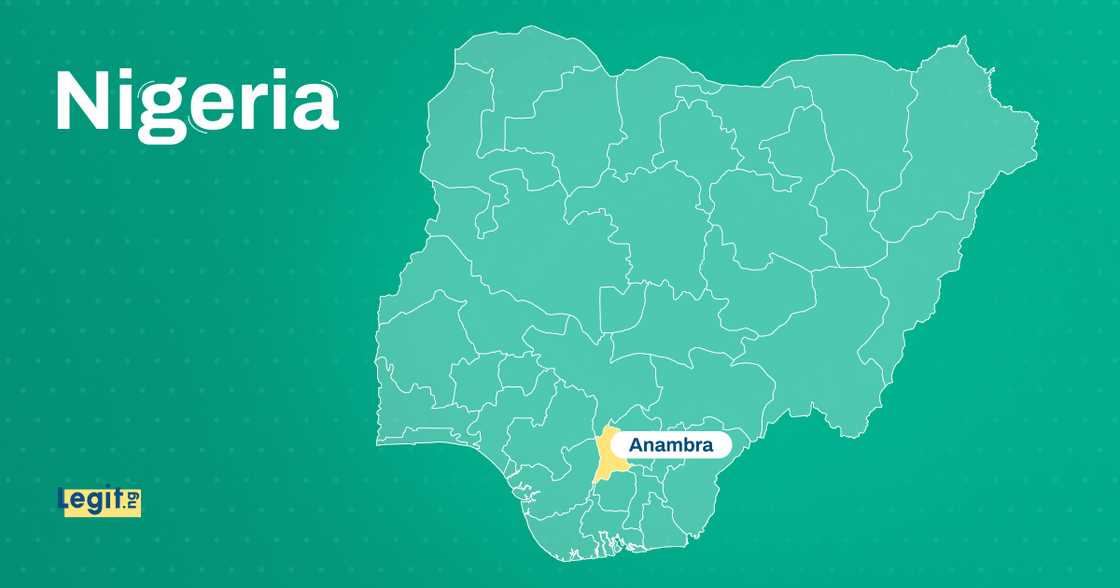


Mounting frustration is spreading among small business owners and emerging entrepreneurs in Nigeria as steep property agent charges reportedly threaten to stifle their growth. The Nigerian Association of Chambers of Commerce, Industry, Mines, and Agriculture Youth Entrepreneurs (NACCIMA NYE) has publicly expressed grave concern about the current real estate climate, especially in Ondo State, where young entrepreneurs say they are burdened by excessive fees charged by estate agents for rental properties.
According to a joint statement released by Ondo State Coordinator Mr. Jide Alabi and Secretary-General Sam Adegbola, these alleged high agent commissions are impeding the ability of many young business operators to thrive—or even launch their ventures at all. The duo stressed that unchecked agency fees are deterring entrepreneurial activity, decreasing overall economic dynamism in the process. “Many small businesses are now operating at a disadvantage, with some abandoning promising ideas due to unaffordable property costs,” the statement read. “These charges often swallow up between 20% and 40% of a start-up’s initial capital, leaving founders severely shortchanged from day one.”
In the context of Nigeria’s evolving business landscape—where small and medium enterprises (SMEs) are recognised as the backbone of economic growth—such barriers raise profound concerns. According to the National Bureau of Statistics, SMEs contribute about 48% to Nigeria’s GDP, yet accessing affordable, decent business premises remains a formidable challenge. For many entrepreneurs, agency fees, which can be arbitrary and unregulated, are exacerbating this struggle. Some tenants report being charged separate inspection fees for each property viewed—sometimes repeatedly for a single search—which cumulatively drain precious resources.
This is not an isolated issue: across major cities like Lagos, Abuja, and Port Harcourt, complaints about non-transparent agency structures and elusive fee breakdowns are rampant. Entrepreneur and bakery owner Funmilayo Adeyemi, who opened her outlet in Akure last year, recounted, “After paying high agency and inspection fees, I had little left for buying equipment. The process felt discouraging—I almost gave up.” Her experience mirrors that of many West African entrepreneurs navigating similar challenges, especially with informal or unlicensed agents.
NACCIMA NYE, therefore, is urging state and federal authorities to step in with urgently needed regulatory reforms. “While agents certainly provide value by connecting business owners with property landlords, the lack of official guidelines is creating loopholes for exploitation,” Alabi explained in a phone interview. Without intervention, the youth grouping argues, innovation could be throttled, and long-term economic growth may suffer—an outcome Nigeria can scarcely afford with its significant youth unemployment rate reportedly standing around 19.6% (according to the National Bureau of Statistics, 2022).
The group is advocating for the development of “clear, fair, and transparent policies that cap agency charges and standardise inspection fees.” According to the statement, these measures should be complemented by an effective monitoring body to track compliance, ensuring that agents operate within regulated frameworks. NACCIMA NYE further recommends convening stakeholder roundtables that include estate agents, small business operators, property owners, and government policymakers to foster dialogue and consensus-building on practical reforms.
Some experts believe digitalisation could be transformative for the sector. According to Adegbola, creating a centralised, automated system where agents are registered, properties transparently listed, and payments processed securely would reduce the risk of fraud, eliminate arbitrary charges, and build confidence among users. This echoes digitisation trends across Africa, where proptech solutions like Nigeria’s PropertyPro and Ghana’s meQasa are already simplifying real estate transactions and providing better information transparency for all parties involved.
Looking at wider regional trends, other African countries have begun to clamp down on unregulated agency fees and opaque property dealings. In Kenya, for example, reforms in the real estate regulation laws have created more equitable processes for tenant-landlord agreements and defined agents’ roles more clearly. Analysts, like Lagos-based economist Samuel Kunle, suggest Nigeria could adopt and adapt some of these frameworks, using them as models for state-level or national policy adjustments.
“Our appeal is not to vilify estate agents,” said Alabi, “but to create a balanced environment where both entrepreneurs and agents can operate fairly. Proper regulation, enhanced dialogue, and adoption of digital systems can protect new businesses while ensuring that agents are compensated reasonably for their services.”
NACCIMA NYE has committed to championing the interests of young entrepreneurs—not just in Ondo State but nationwide—by partnering with government, estate agents, and allied stakeholders to build a business ecosystem that is inclusive, sustainable, and pro-growth. In their words, “We are determined to work collaboratively to remove the bottlenecks that hinder enterprise, especially for Nigeria’s ambitious youth.”
The move for reform resonates against the backdrop of high-profile legislative initiatives underway elsewhere. Notably, The Punch has reported on the Lagos State House of Assembly’s review of a wide-ranging tenancy bill designed to overhaul rent collection processes, expedite tenancy dispute resolution, and regulate estate agents’ activities. The bill, formally known as “A Bill for a Law to Regulate the Relationship Between Landlords and Tenants, Including the Procedure for the Recovery of Premises in Lagos State, and for Other Connected Matters,” intends to abolish earlier tenancy laws (Tenancy Law Cap. T1, Laws of Lagos State 2015) and establish updated rules relevant to today’s volatile property market.
Among the significant proposals, the bill would make it illegal for landlords or their agents to demand more than three months’ rent upfront from sitting tenants with monthly tenancies, or more than one year in advance from yearly tenants—regardless of previous arrangements. This legislative intervention was reportedly prompted by residents’ complaints about skyrocketing rents in Lagos, which many fear could trigger homelessness or drive low-income earners further to city outskirts.
While these proposals have received a cautious welcome from tenant rights advocates, some landlords and estate agents argue that stricter rules could drive property owners away from renting out spaces or lead to creative circumvention tactics, undermining the law’s intentions. Real estate consultant Abimbola Ajayi noted, “Accountability is needed, but enforcement will be tough if all stakeholders are not effectively engaged.”
For neighbouring countries, the conversation around property agent regulation is striking a chord as urbanisation increases across West Africa. Ghana, Côte d’Ivoire, and Senegal have all seen surges in urban migration that have strained affordable property supply in major cities. Regional collaboration and experience-sharing could aid Nigerian policymakers as they consider local reforms with a continental outlook.
As debates continue, the fate of Nigeria’s aspiring entrepreneurs hangs in the balance. Collaborative solutions, robust enforcement, investment in property market transparency, and robust digital tools could support a new generation of business builders—helping them overcome entry barriers and strengthening Nigeria’s position as a hub for entrepreneurship in Africa.
What’s your experience with property agent fees or renting business spaces in Nigeria or West Africa? Have you faced challenges or found successful strategies? Drop a comment below and follow us for more updates on real estate, entrepreneurship, and business reforms that matter to you.
Connect with our community on Facebook, X (Twitter), and Instagram for the latest business news, trends, and interactive discussions.
Your experience could help others—let’s build a fairer business environment together!