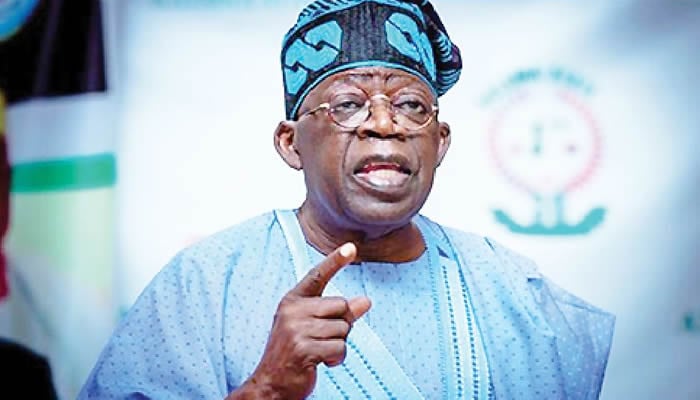
Recent political unrest in Rivers State has once again thrust Nigeria’s democratic stability into the spotlight. Peter Obi, the 2023 presidential candidate for the Labour Party (LP), is calling on local political actors to set aside their differences, focus on reconciliation, and collaborate for the progress of the oil-rich state. Obi’s recent appeals carry special resonance as Rivers, a crucial part of the nation’s economic engine, finds itself at a crossroads that could have far-reaching implications for both the region and Nigeria as a whole.
In public comments made after the political crisis escalated in Port Harcourt, Obi criticized what he characterized as “avoidable missteps” by political elites in Rivers State, and cautioned that such errors in governance could reverberate for years, undermining confidence in Nigeria’s constitutional democracy. According to coverage by Premium Times (December 2023), Obi warned that actions such as presidential interventions and discussions of emergency rule risk upsetting Nigeria’s delicate balance of federal and state power—a balance that has taken decades to shape since independence.
“If there is a constitutional breach or a threat of a state of emergency, the consequences may haunt our democracy for years to come,” Obi asserted in a statement reported by The Punch on December 21st, 2023. He emphasized the importance of learning from errors and called on leaders to not only acknowledge mistakes but also take steps to correct them in the public interest.
The situation in Rivers State has unfolded against a backdrop of high political tension. Reports from Port Harcourt indicate that factional disputes between the governor, Siminalayi Fubara, and members of the State House of Assembly led to an atmosphere of uncertainty, with fears of potential violence among citizens. Residents, many of whom rely on daily businesses and the highly active port sector, have spoken out about the negative impacts on their livelihoods and general sense of security.
“It has been a challenging period for us,” shares Mrs. Ebiye King, a Port Harcourt resident and market vendor. “Business has slowed, and there’s fear in the air. We need our leaders to resolve their issues and bring peace back, so Rivers can continue to thrive.” Local stakeholders, including community leaders and youth representatives, echo her sentiments, urging all parties to put the needs of the people first.
Obi’s call to action, which specifically commends the resilience demonstrated by Rivers’ diverse population, has attracted attention beyond party lines. He encouraged Governor Fubara, lawmakers, and local political stakeholders to prioritize dialogue over confrontation. According to a political science lecturer at the University of Port Harcourt, Dr. Emeka Chukwu, “Stable, cooperative politics in Rivers State are essential—both for regional development and for setting a positive example for other parts of the country.”
The crisis in Rivers has also drawn the concern of national and international observers. Nigeria’s federal system is built on a delicate balance between state and central authorities. As documented in a BBC analysis, Nigeria has a long history of political standoffs, but recent years have seen states like Rivers play an increasingly strategic role due to their economic significance—particularly from oil, gas, and shipping revenues. Disruptions here can ripple out, affecting fuel supply, export logistics, and investor confidence across West Africa.
This context helps explain why moves to impose a state of emergency, however legal under certain constitutional circumstances, are viewed with anxiety by many Nigerians. Legal analyst Barrister Funmi Adesina explains, “While the constitution allows for emergency rule if security or order breaks down, history shows that such steps often create more uncertainty and mistrust. Political negotiation should be the first approach.” According to records, since the return to democracy in 1999, only a handful of states in Nigeria have fallen under federal emergency rule—each time underscoring persistent questions about democracy’s resilience.
For ordinary citizens in Port Harcourt and neighboring communities, the stakes are high. The state’s bustling markets, industries, and seaports are vital not only for regional prosperity but also as engines of growth for Nigeria and neighboring West African economies. Ghanaian business analyst Kwame Boateng notes, “Any disruption in Rivers affects trade flows between Nigeria, Ghana, and other ECOWAS states. Political stability in a state like Rivers has implications well beyond Nigeria’s borders.”
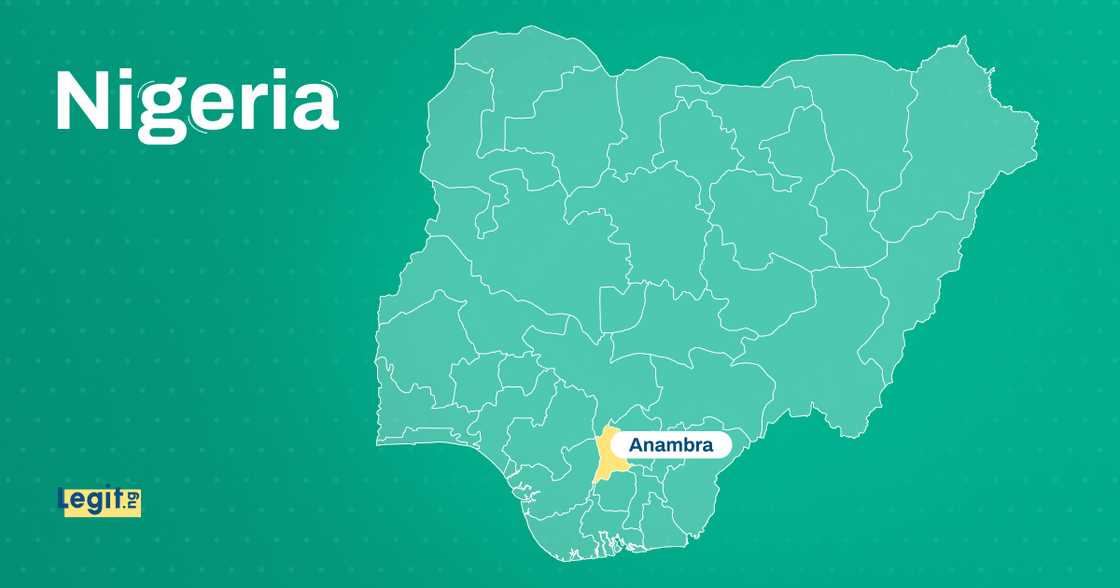
Obi’s central message, drawing on his time as former governor of Anambra State, is one of reflection, unity, and forward-thinking. He reiterated his belief in dialogue, stating, “Real leadership involves admitting errors, learning from them, and taking practical steps to move forward.” Obi is not alone in this view; many Nigerian political watchers emphasize that the events in Rivers are a test case for how leaders respond—not just how conflicts emerge.
A wider analysis by Lagos-based think tank Centre for Democracy and Development (CDD) highlights that sustained peace in Rivers could encourage greater investment and infrastructural progress, while prolonged instability risks deterring both domestic and foreign investors. The group urges national policymakers to regard the Rivers case as an opportunity for strengthening Nigeria’s rule of law and approach to federalism rather than reverting to top-down intervention.
Nigeria’s neighbors are also watching closely. In Accra and Abidjan, regional media outlets are covering the Rivers situation, mindful of how political instability in one West African power often has knock-on effects—whether in migration flows, remittances, or regional security concerns. This underscores, observers say, why peaceful resolution and good governance in Rivers are priorities that transcend ethnic, regional, or partisan divides.
Despite the challenging nature of the crisis, there are signs of hope. According to recent statements from several Rivers State lawmakers and community elders, back-channel talks and mediation efforts are ongoing. Civic forums and religious organizations are helping to broker peace, demonstrating the resourcefulness typical of Nigerian society in difficult times.
As Obi remarked in a widely circulated appeal, “I have the confidence that a new Nigeria is possible and inevitable. Hence I call on all stakeholders to strive for unity, prioritizing the stability and progress of the country.” His words serve as both challenge and encouragement—not just for Rivers State policymakers, but for all Nigerians who believe in the promise of a more stable, united, and prosperous federation.
Are you directly affected by the Rivers State political crisis, or do you have insights on how such situations can best be resolved? What steps do you think political leaders should take to promote unity and good governance across Nigeria and West Africa? Drop your thoughts in the comments below, and follow us for the latest on national and regional developments.
Stay connected—follow us on Facebook, X (Twitter), and Instagram for real-time news, community polls, and more!