

Nollywood has once again been struck by tragedy as popular Nigerian actor and filmmaker, Ibrahim Chatta, announced the passing of his son. The heart-wrenching news emerged just days after the film industry was mourning with veteran actress Peju Ogunmola over the death of her own son, highlighting a period of deep sorrow for many within the creative community.
On Saturday, Chatta took to his official social media pages to share his grief with fans and colleagues. The actor posted a poignant photograph of himself and his late son, paired with a moving tribute that read: “Inna liLlahi wa inna ileyhi rajiun. Ya Allah, You are the Knower of all things. Rest on, Dear Son. Champ,” reflecting both his faith and the profound pain of loss. The phrase, an Islamic expression, signifies acceptance of God’s will and is frequently used by Muslims during periods of bereavement.
Details surrounding the tragic event remain limited as of press time. Chatta, who has built a reputation for discretion regarding his personal life, has neither disclosed the name of the child nor the circumstances leading to the loss. Supporters and fellow actors have poured in their condolences online, with tributes coming from prominent names across Nigeria’s entertainment sector. Many have urged the public and media to respect the family’s privacy during this time.
Loss and Resilience: Ibrahim Chatta’s Journey Through Hardship
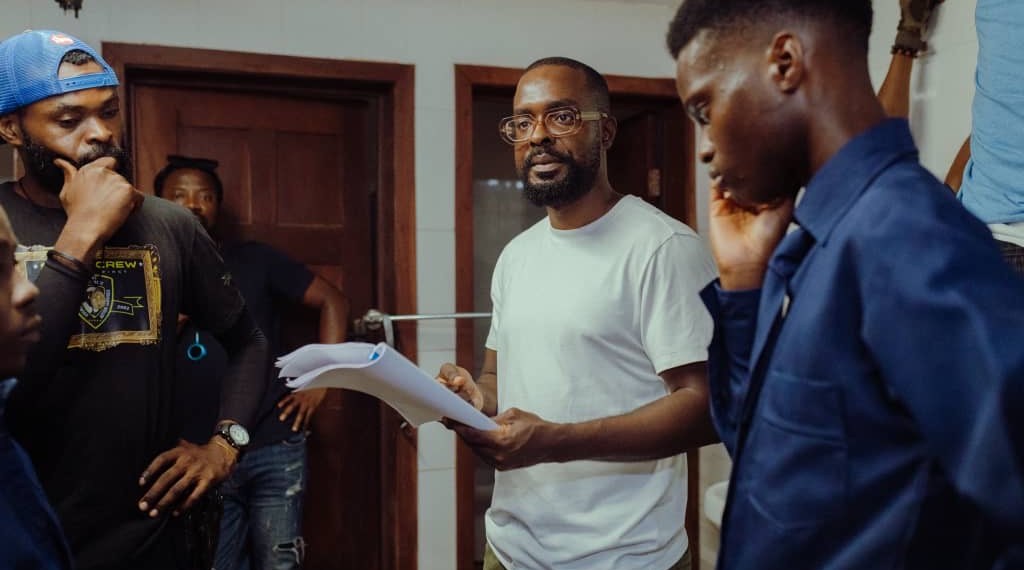
For many fans familiar with Ibrahim Chatta’s illustrious career, news of his latest personal loss has brought back memories of previous hardship the actor has endured. Earlier in the year, a video circulated widely on social media in which Chatta candidly discussed how poverty had devastated his early life and even led to the loss of his first child. Filmed during a conversation with colleagues on set, Chatta recounted the harrowing details of struggling to save his daughter, who was gravely ill at the time.
According to the actor, his inability to raise enough money for hospital bills became a defining tragedy. “My first child is not Malik. My first child was sick and was taken to a hospital, and they needed money, which I didn’t have. I trekked from Ijora Badia and passed through Ojurin to Makoko,” he said, referencing familiar Lagos neighborhoods. Chatta’s account paints a vivid image of the relentless foot journey, reflecting the desperate measures many Nigerians face in times of medical crisis.
Despite reaching out to friends and searching across various parts of Lagos, his efforts yielded no financial relief—ultimately culminating in the devastating loss of his child. “From Ijora Badia, I went to Orile, Itolo street, and passed through all those places I used to hawk puff-puff. I went through Shitta, Lawanson, Stadium, and the Costain railway till I got to Makoko, yet I couldn’t get any money until the child died. The first child I had died.”
The story did not end there. Ibrahim further explained that, lacking the means to provide a proper burial, he resorted to placing his daughter’s body in a weathered wooden Coca-Cola crate. “We buried her in a crate of Coke, the old wooden crate of Coke,” he admitted. This striking revelation resonated with many Nigerians, serving as a painful reminder of the consequences of inadequate healthcare access and deep-rooted poverty.
The State of Child Health and Poverty in Nigeria
According to the UNICEF Nigeria Child Survival report, Nigeria remains among the top five countries with the highest rates of child mortality globally. Inadequate access to healthcare, delayed interventions, and poverty are all cited as critical factors. Figures from the National Bureau of Statistics highlight that nearly 40% of Nigerians live below the poverty line—a statistic that adds painful context to stories like Chatta’s.
Chatta’s experience, unfortunately, is far from isolated. Across Nigeria and much of West Africa, families continuously grapple with the intersection of poverty and health. Lagos-based health policy expert, Dr. Olabisi Adeyemi, told reporters: “We hear tragic stories like this every week. What Ibrahim Chatta shared is a lived reality for too many Nigerians—struggling to pay health bills can turn an ordinary illness into a fatal one. The system needs urgent investment and reform.”
Cultural Impact: How Nollywood Grapples with Grief
Ibrahim Chatta’s vulnerability in sharing his struggles has struck a chord within the entertainment community and beyond. Colleagues such as Yinka Quadri and Funke Akindele publicly expressed support, urging others to show compassion. Mental health advocates note that, as influential public figures articulate their pain, it can challenge long-standing stigmas around mental health and open conversations about grief in Nigerian and African society.
Beyond the industry, eyes have also turned to how Nigerian social safety nets—and the health systems designed to protect the vulnerable—are performing. According to Lagos-based analyst Pelumi Obagbemi, “These are not merely private tragedies but reflections of nationwide issues. Nollywood’s narratives often touch on hardship and resilience, and real-life experiences like Chatta’s are pushing the issues to the fore.”
Comparing Across West Africa: Similar Struggles, Shared Hopes
The challenges faced by Chatta and so many others are echoed across West Africa, from Ghana to Cameroon to Sierra Leone. Data assembled by the World Bank reveals that out-of-pocket medical expenses remain a primary barrier to healthcare for millions across sub-Saharan Africa. While some countries have rolled out limited health insurance schemes, many Nigerians and Ghanaians still rely on personal savings or communal efforts—sometimes with tragic results.
- Nigeria: Less than 5% of the population has any form of health insurance (according to Nigeria Health Watch, 2023).
- Ghana: The National Health Insurance Scheme (NHIS) covers more citizens, yet out-of-pocket costs persist, especially for specialist care or advanced medicines (Ghana Health Service, 2022).
- Côte d’Ivoire and others: Recent reforms are underway, but millions remain uninsured, particularly in rural communities.
A Time for Solidarity and Reform
As Nigeria and its film sector unite to mourn with Ibrahim Chatta, the moment also calls for renewed dialogue about the broader conditions affecting families nationwide. Conversations on social media have quickly shifted from condolences to activism, with hashtags calling for improved health funding and accessible insurance for all citizens.
While tributes continue to pour in from every corner—across Nigeria, Ghana, and among the broader African as well as diaspora communities—Chatta’s willingness to share his pain publicly is fostering essential conversations. His journey underlines not only the fragility of life but the collective responsibility to strengthen the systems that support the next generation.
Have you or someone you know faced similar challenges with healthcare or loss in Nigeria or elsewhere in West Africa? How can communities and leaders better support families in times of need? Share your thoughts below, and keep following our platform for more stories and updates on Nollywood, public health, and important issues shaping our society.
If you have a personal story, news tip, or even wish to sell your exclusive gist to our editors, we want to hear from you! Email us at [email protected] to feature your story or discuss submissions and sales.
For general inquiries, support, or reactions, contact us anytime at [email protected].
Let your voice be heard! Drop a comment below, and don’t forget to follow us for timely updates and exclusive Nollywood news on social media: