

Reports emerging from international news sources have sparked intense conversations across Nigerian and West African communities, following the alleged killing of Charlie Kirk, a well-known American conservative activist. Timi Frank, a prominent Nigerian political figure and former Deputy National Publicity Secretary of the All Progressives Congress (APC), has voiced his deep concern over the incident, describing the development as a tragic setback for young voices in global advocacy and democracy.
Outpouring of Grief in Nigeria and Across Africa
In a solemn statement issued from Abuja, Timi Frank highlighted that the reported loss of Kirk at just 31 not only shook the American political landscape but also resonated profoundly with activists and youth leaders around the world, including millions across Africa who follow global movements for civil engagement. Frank emphasized that Kirk had already begun to influence conversations about democracy and civic participation far beyond the borders of the United States.
Remembering Charlie Kirk’s Influence
Timi Frank described Kirk as an emerging leader whose dedication to principles like freedom, open discourse, and youth empowerment was evident in his work. “Kirk was a rising figure whose passion for faith, country, and humanity was reflected in his actions. His unwavering commitment to fundamental rights, especially freedom of speech and association, continues to inspire young people globally,” Frank said. He noted that Kirk’s impact had already bridged continents, with his work frequently referenced by youth organizations and pro-democracy groups from Lagos to Accra.
Calls for Justice and Accountability
As news of Kirk’s reported killing made rounds on social media and international outlets, Frank urged U.S. authorities—including Utah Governor Spencer Cox—to ensure that investigations into the incident are swift, transparent, and thorough. He stressed in his statement that “swift justice will not only support Kirk’s family and followers in their grief but also signal that acts of political violence are not tolerated in any democratic society.”
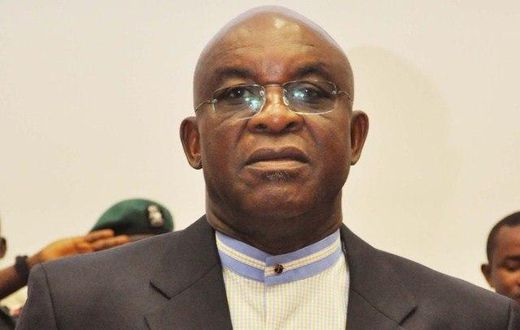
![Nigerian activist Timi Frank has condemned the killing of American conservative leader Charlie Kirk, describing his death as a major loss to democracy and global youth movements. [JOSH EDELSON/AFP via Getty Images]](https://image.api.sportal365.com/process/smp-images-production/pulse.ng/16092025/2e34dbb5-d11b-4742-8e68-bf5fa90e5eb4.jpg)
Nigerian activist Timi Frank has condemned the killing of American conservative leader Charlie Kirk, describing his death as a major loss to democracy and global youth movements. [JOSH EDELSON/AFP via Getty Images]
Condolences Cross Borders
Frank also extended his sympathies to Kirk’s family, friends, and supporters both in the United States and abroad. He included former President Donald Trump among those he offered condolences to, highlighting the sense of shared loss experienced by political allies, followers, and observers worldwide. “I stand with the Kirk family, his followers in the United States, and young supporters as far afield as Africa. My sincere thoughts go out to the American people and to former President Donald Trump at this difficult time,” Frank stated.
Nigerian and African Responses
News of the alleged killing has stirred discussions throughout Nigeria and West Africa’s growing activist networks. Many young people, especially those active on social media platforms like X (formerly Twitter) and Instagram, have recalled how Kirk’s digital content and advocacy efforts have inspired youth-led protests and policy debates from Abuja to Accra. Political analysts, such as Lagos-based civil society coordinator Folasade Ibe, commented that the loss could “reignite conversations about security and the protection of outspoken public figures worldwide.”
Global Significance: Democracy Under Threat?
Frank, who also serves as Ambassador of the United Liberation Movement for West Papua (ULMWP) to East Africa and the Middle East, drew parallels between the challenges faced by activists worldwide, from West Papua to Washington. He called on that shared sense of struggle to remind international communities of the need for peaceful engagement and mutual understanding. For many West African observers, Kirk’s reported death is a grim warning about ongoing threats to democracy, whether in well-established or emerging nations.
Toward Dialogue, Not Violence
Timi Frank concluded his remarks by urging society to prioritize respect, dialogue, and mutual understanding over violence and division. “Kirk’s life and activism should remind us all, from Abuja to Salt Lake City, of the importance of open dialogue and the need to reject violence as a tool for political expression. Such acts are cowardly and fundamentally opposed to democratic ideals,” he said.
Looking Forward: Lessons and Local Takeaways
For many young Nigerians and Africans observing the situation, Kirk’s story offers lessons about resilience and the complexities of public advocacy in today’s world. It highlights the delicate balance between activism, free speech, and personal security—issues increasingly relevant in African civic spaces. Organizations and leaders in the region are now debating how best to safeguard voices calling for reform while building more inclusive, tolerant societies.
- How are West African activists drawing lessons from global events?
- What measures could local governments take to improve protections for outspoken individuals?
- How can civil society encourage peaceful debate, even amidst disagreement?
These are questions Nigerian and African leaders, youth, and citizens continue to grapple with as the conversation about democratic safety and activism evolves.
What is your perspective on the challenges facing outspoken leaders today? How can we promote civil discourse in Nigeria and Africa at large? Drop your thoughts in the comments and follow us for the latest updates on global and African news.
Have a story you want to share or sell? We’d love to hear from you! Email us at
[email protected] to get your story featured or discuss story sales.
For general support, reach out at [email protected].
Prefer updates and conversations on social? Follow us on
Facebook,
X (Twitter), and
Instagram for more breaking news and discussion.