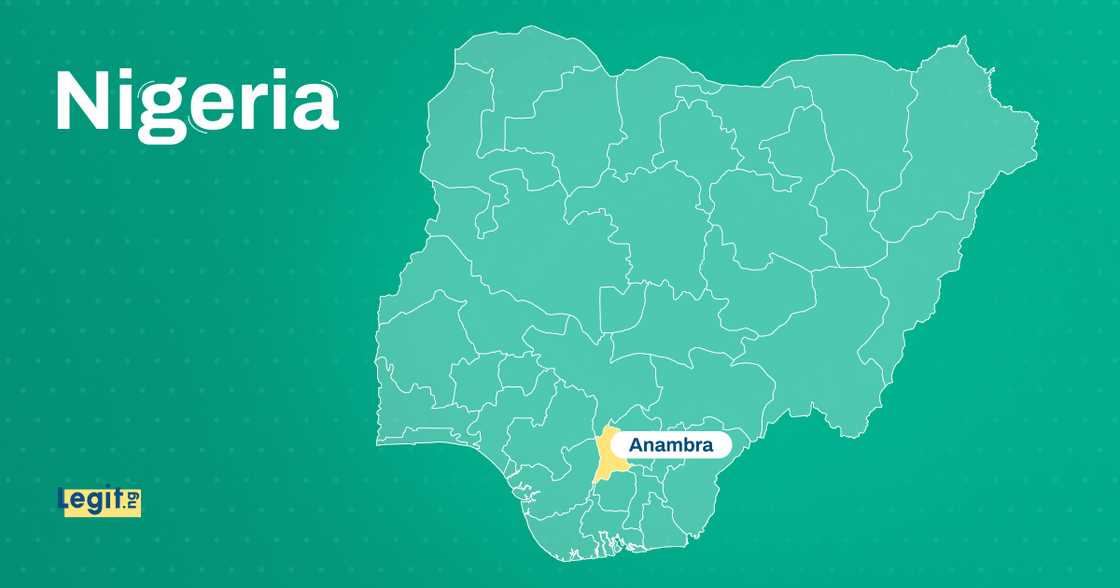


In a bid to ignite a new era of youth involvement in Nigeria’s agricultural sector, the Federal Government recently reaffirmed its commitment to supporting young people in the South-South geo-political zone with increased funding opportunities. This initiative is poised to make funding for agribusiness more accessible to the region’s dynamic youth population, a move that many say is long overdue if Nigeria is to meet its food security and economic diversification goals.
At a pivotal event in Uyo, Akwa Ibom State—the inauguration of the South-South Youth in Agriculture, Akwa Ibom State Chapter—Mr. Howard Usen, South-South Coordinator for the Nigerian Agribusiness and Agro-Industry Development Initiative (NAADI), revealed plans aimed at breaking barriers that have long hindered young entrepreneurs in the sector. According to Usen, “many associations fail to attract meaningful funding due to a lack of structure and proper governance frameworks.” He described the launch as both symbolically and practically significant for advancing youth participation in farming and agribusiness.
Highlighting persistent funding challenges, Usen noted that without adequate structures and strong governance, organisations—even those with promising concepts—struggle to access the necessary resources for growth and sustainability. “If you don’t have structure and good covenants, most organisations will not fund you. But once these are in place, organisations and agencies become more willing to support and invest,” Usen explained during his remarks. He emphasised that NAADI, working alongside the Federation of Agricultural Communities of Nigeria, will help guide the new youth association in establishing covenants and operational standards that meet international best practices.
This partnership is not limited to policy or paperwork. Usen reported that the initiative will extend to hands-on training for executives of the youth association, ensuring that leadership across all 31 local government areas in Akwa Ibom acquires essential skills. The training plans reportedly include modules on cooperative management, financial responsibility, and the development of standardized templates, all modeled after the United Nations Industrial Development Organisation (UNIDO) benchmarks.
“With these minimum standards, accessing funding from government agencies, development partners, and international organisations will no longer be difficult,” Usen added, expressing hope for a future where young farmers and agripreneurs can confidently seek and secure support.
Mr. Obinna Inyiama, Head of Development Finance at the Central Bank of Nigeria (CBN) Uyo branch, underscored the apex bank’s role in remodeling access to credit for young agriculturalists. In a goodwill message at the event, Inyiama introduced the Agricultural Credit Guarantee Fund Scheme as a vital avenue open to farmers. The scheme allows applicants to borrow up to ₦1 million from Microfinance Banks, with CBN guaranteeing 75% of the loan value—substantially reducing lending risks for both borrowers and lenders. According to Inyiama, this measure means “the facility can last up to one year, and beneficiaries who meet repayment obligations can reapply. With just 40 per cent of the interest amount paid by CBN, even as farmers can roll over into another cycle.” He encouraged youths to take advantage of this support, describing it as a “game changer for young people looking to start or scale up their farming ventures.”
Across Akwa Ibom and much of South-South Nigeria, such interventions are being welcomed. Dr. Offiong Offor, Akwa Ibom State Commissioner for Agriculture, lauded participants’ resilience and innovations, referencing recent successes in national competitions led by Akwa Ibom’s youth. “We are proud of your achievements, especially in producing record-breaking cassava yields and introducing fresh farming practices,” Offor remarked. The commissioner pledged that the State Ministry of Agriculture would continue to supply improved seedlings and technical backing, especially as part of the “ARISE Agenda” championed by Governor Umo Eno—an initiative emphasizing food security and sustainable development.
Offor, however, issued a practical reminder: timely communication and formal requests are crucial for the effective and prompt distribution of agricultural inputs. “The new leadership of the youth body must always submit requests in good time to ensure the timely delivery of inputs,” she advised, indicating the importance of administrative foresight for success in modern agribusiness.
The highlight of the event was the formal swearing-in of the chapter’s inaugural executive council, led by Mr. Sylvester Sunday. He pledged to mobilize youth across Akwa Ibom, calling agriculture “a sustainable pathway to prosperity.” Sunday’s remarks reflect a broader trend among young Africans who are turning toward the agri-sector in search of income, job creation, and social impact.
Stakeholders at the inauguration observed that this renewed institutional support—spanning access to credit, capacity building, and operational excellence—could signal a new dawn for the region’s youth. The collaborative approach of state, federal government, and industry organizations is expected to increase productivity, enhance livelihoods, and transform the agricultural landscape not only in South-South Nigeria, but also across other states and even neighboring countries like Ghana where similar youth agrifood initiatives are gaining ground.
Agriculture remains a bedrock of Nigeria’s economy, reportedly accounting for over 35% of the national workforce and serving as a principal source of food security and non-oil revenue, according to the National Bureau of Statistics. However, for many young people in the South-South—where arable land abounds and annual rainfall is favorable—barriers such as insufficient access to capital, lack of structured training, outdated production techniques, and weak institutional frameworks have historically stifled progress.
“It’s not just about giving credit or seedlings; it’s about creating lasting structures that make agribusiness profitable and sustainable for the next generation,” explained a Port Harcourt-based agricultural policy analyst. Reports from the region suggest that when youth organisations have clear structures and accountability measures, development partners and private funders are more eager to get involved, leading to greater investments and innovations.
NAADI was reportedly established with this gap in mind—to provide the technical assistance, governance models, and operational standards that align local agricultural ventures with recognized best practices worldwide. By collaborating with the Federation of Agricultural Communities of Nigeria, NAADI aims to “ensure that the foundations for youth agribusiness are globally competitive,” as Usen put it.
Experts also highlight that while government pledges are promising, the ultimate test lies in implementation—ensuring announced funding, training, and support are actually delivered on the ground. “Sustained monitoring and stakeholder feedback will be crucial for measuring progress,” noted a Calabar-based development specialist. According to some critics, without transparency and ongoing dialogue with youth beneficiaries, such programs can lose momentum.
Meanwhile, young farmers in Akwa Ibom express cautious optimism. “If the funding and training get to us as promised, I believe more young people—especially graduates looking for meaningful work—will join agriculture instead of turning to the city or leaving the country,” shared Uduak Etim, a 27-year-old cassava farmer from Ikot Ekpene.
As the South-South region presses ahead with renewed commitment to youth-driven agriculture, many are watching closely—both within Nigeria and across Africa’s wider agricultural sector. The lessons learned, successes achieved, and obstacles overcome may yet serve as a model for similar youth empowerment initiatives continent-wide.
Do you think these new steps to empower South-South youth in agriculture will truly drive transformation in Nigeria’s farming sector? How can government and partners ensure that support reaches those who need it most? Drop your thoughts in the comments and follow us for more updates on youth empowerment, agribusiness, and economic development in Nigeria and beyond.
Have a story about agriculture, youth empowerment, or community development? Share your experience or sell your story with us at [email protected].
For general support, reach out at [email protected].
Don’t miss any updates—join the conversation! Follow us on Facebook, X (Twitter), and Instagram for more news and stories from across Nigeria and Africa.