

In a significant push to cushion the impact of economic hardship on Nigeria’s most vulnerable citizens, the Federal Government has reportedly distributed ₦330 billion as part of its ongoing social protection efforts. This substantial disbursement, overseen by the National Social Safety Nets Coordinating Office (NASSCO), was confirmed by the Minister of Finance and Coordinating Minister of the Economy, Wale Edun, during the latest meeting of the Special Presidential Panel on the Social Investment Programme, which took place in Abuja. The announcement, widely shared on social platforms and officially released by the President’s Special Adviser on Information and Strategy, Bayo Onanuga, has drawn both commendation and close scrutiny from stakeholders across the country.
This cash transfer initiative arrives at a critical time for many Nigerians, as households continue to grapple with rising inflation, fuel subsidy removals, and food insecurity. According to Edun, the scheme is an essential piece of the government’s renewed effort to provide a safety net and restore public trust after brief suspensions and restructuring earlier in the year. “We are pleased to report that the social protection programme put in place as a safety net to help people cope with the rising price level is now firmly back on track,” Edun stated, expressing optimism about the relaunch and reach of the programme.
How the Cash Transfer Programme Works
The National Social Register—the foundation of the programme—reportedly contains the data of about 19.7 million households, translating to over 70 million Nigerians. These individuals have been identified as among the country’s most at-risk populations, qualifying them to receive support. The financing for this wide-reaching intervention draws heavily from an $800 million World Bank facility targeted at social protection.
According to officials, the rollout has already seen direct cash transfers made to approximately 15 million households, with ₦25,000 being the basic unit per tranche. “So far, 8.5 million households have received at least one tranche of ₦25,000, while some have received two or three payments. The remaining seven million households will be paid before the end of the year,” Edun disclosed, emphasizing the government’s commitment to ensuring comprehensive distribution.
Digital Payments and Verification Measures
One of the government’s priorities for this refreshed social investment initiative is transparency and efficiency. In line with this, all beneficiaries must be authenticated using their National Identity Numbers (NIN), a move intended to cut down on fraud and guarantee that grants reach genuine recipients. Payments are made directly and digitally—either by bank transfer or through mobile wallets—a system designed to foster accountability, facilitate proper record-keeping, and enable swift tracking of funds.
Financial analysts and social advocates alike have highlighted the importance of this approach in addressing Nigeria’s perennial challenges with leakages and ghost beneficiaries in government programmes. “Deploying technology and digital payment platforms is a step in the right direction. What matters now is constant monitoring and the integration of feedback from the grassroots,” said Opeyemi Salami, a Lagos-based public policy consultant. The use of NIN verification also aligns with efforts to formalize the documentation of Nigeria’s vast informal sector and rural populations.
Reactions from Local Communities and Experts
On-the-ground reactions from communities reveal a blend of relief and cautious optimism. In Ijebu-Ode, Ogun State, Mrs. Fatima Rufai, a mother of four, expressed her gratitude: “The money came at a good time for my family. Prices have gone up everywhere—we are struggling. This has helped us buy food and pay school levies for now.” Similarly, in Kano, local teacher Bello Abdullahi noted that while the transfers may not solve all challenges, “it gives people some breathing space.”
However, some recipients and watch groups remain concerned about whether the distribution will be genuinely widespread and devoid of political favoritism or manipulation. “We need government to be more transparent and for communities to see at least the list of beneficiaries or some form of tracking to ensure fairness,” noted Chinyere Mbanefo, a programme officer with a national non-profit. According to a recent survey by SBM Intelligence, while a majority of intended recipients have reported receiving funds, some in more rural or underserved locations say they are still awaiting their payments.
Comparative Perspective: Nigeria and West Africa
Nigeria is not alone in deploying large-scale social transfer schemes as a buffer against economic hardship. Ghana, too, has expanded its LEAP (Livelihood Empowerment Against Poverty) cash transfer programme, and countries like Senegal and Côte d’Ivoire have adopted similar measures backed by multilateral donors. What sets Nigeria’s scheme apart, however, is its sheer scale, digital verification processes, and the urgency fostered by Nigeria’s status as Africa’s most populous country.
Yet challenges remain. Success depends not just on digital efficiency, but on outreach, accurate data, and continued oversight. According to a World Bank regional brief, “scaling up cash transfer programmes is crucial, but equally essential is robust monitoring and community involvement to minimize errors of exclusion and ensure inclusion of the truly vulnerable.”
Government Accountability and Next Steps
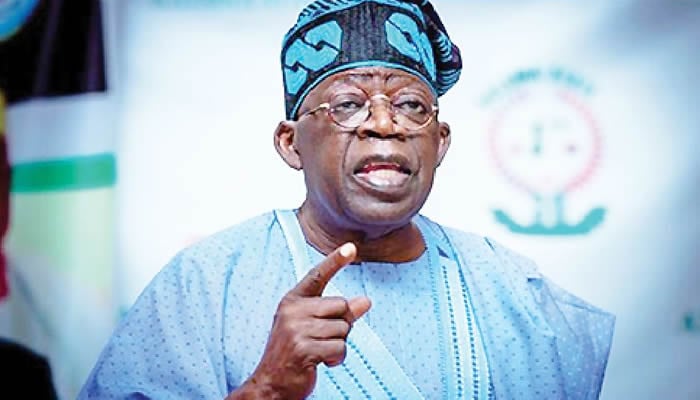
Minister Edun reiterated that the current administration, under President Bola Tinubu, is determined to widen the umbrella of support as part of its overall economic reform plan. “The priority of the Tinubu administration is to ensure that every qualified household in the National Social Register benefits from the programme before the close of the year,” Edun stated, reaffirming this priority during the press briefing.
Importantly, according to Onanuga, the government is open to evaluations and continuous improvements, promising better transparency measures as part of the broader restructuring process. Critics and civil society groups argue, however, that more needs to be done regarding independent audits and publicized reports to build genuine public trust and foster accountability. “Inclusion, equity, and firm anti-corruption protocols must underpin every payout to truly support the nation’s most desperate households,” concluded Dr. Hassan Adebiyi, a governance and accountability expert based in Abuja.
What Does This Mean for the Average Nigerian and for Africa?
Beyond the direct recipients, the impact of these cash transfers reverberates across local markets, helping small traders and supporting local economies. For many rural communities historically left out of government support, the digitalization of payments—although presenting some barriers—offers hope for broader inclusion in national development efforts.
At a continental level, Nigeria’s ongoing roll-out provides a potential roadmap for other African nations seeking to combine financial technology, large-scale data management, and social assistance programs. Whether these efforts translate into long-term resilience for vulnerable populations remains to be seen, but they represent an ambitious attempt to confront poverty using modern tools and global partnerships.
As this programme progresses, many Nigerians will be watching closely to see how well promises translate into tangible support—and whether lessons learned here might inform even stronger social safety nets across West Africa and beyond.
What’s your experience with government support schemes? Do you think digital cash transfers will make a real difference in Nigeria and the wider region? Let us know your thoughts in the comments, and stay tuned for the latest updates on social investment programs and economic reforms.
For enquiries or general support, contact us at [email protected].
Stay connected for more verified news and in-depth analysis: follow us on Facebook, X (Twitter), and Instagram!