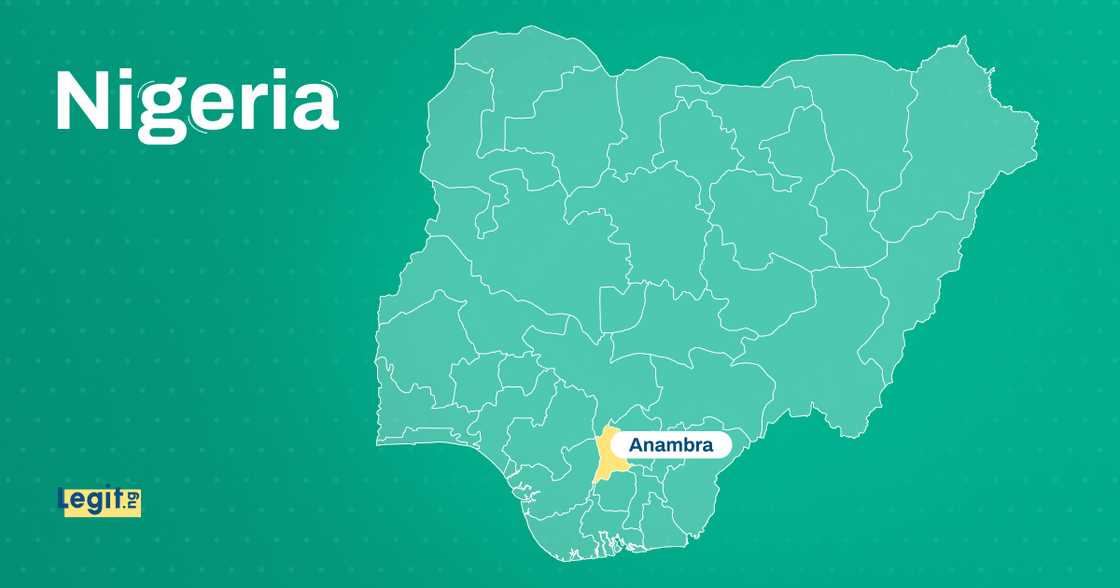
The Niger State Police Command in Nigeria has uncovered an alleged self-kidnapping plot, arresting nine people in Minna as investigations intensified into a complex case that highlights growing concerns about the exploitation of telecommunications and security loopholes across West Africa.
Authorities report that a significant collection of evidence—including 21 active SIM cards and 29 SIM registration certificates—was recovered, raising questions about tactics used by criminal networks in the region, and the pressing challenges facing law enforcement agencies to curb such activities.
A Closer Look at the Alleged Scheme
Niger State Police Command spokesman, SP Wasiu Abiodun, announced the arrests in a widely circulated statement. According to police, the initial investigation began on September 2, 2025, when officers in the Tudun-Wada Division received a report regarding a suspected abduction in Minna’s Mandela area. Shortly thereafter, the alleged kidnappers—operating through an unregistered mobile phone number—demanded a seven-million-naira ransom.
Police swiftly responded; Suleiman Dauda was apprehended the following day, September 3. Investigators allege that Dauda’s subsequent confession led to the identification and arrest of eight other suspects across the Mandela area. According to SP Abiodun, Dauda explained during questioning that he was engaged in SIM card registration, and the handset and number used to orchestrate the ransom negotiations were provided by him to the supposed victim.
SIM Card Registration and Fraud Risks
Upon searching Dauda’s premises, law enforcement recovered a total of 21 SIM cards and 29 SIM card registration certificates, further raising alarms about the misuse of Nigeria’s telecommunications for criminal purposes. Telecommunications fraud, especially involving identity theft and fraudulent SIM registration, remains an enduring challenge for security agencies. Unscrupulous actors have frequently exploited regulatory gaps in Nigeria’s SIM card registration process—a concern echoed by industry experts as well as the Nigerian Communications Commission (NCC), which has in recent years stepped up enforcement of biometric registration requirements to combat crime.
A Sunday market trader in Minna, Halima Ahmed, expressed anxiety over the developments: “Most people just want lines to run their businesses or stay in touch with family. This kind of news makes us worry that anyone can abuse the system and put innocent lives at risk.”
Unfolding Investigation: Alleged Ponzi Operation and Betrayal
According to officials, ongoing inquiries revealed that the network’s activities may be tied to a wider Ponzi-style scheme, reportedly involving individuals from both within and outside Niger State. Police are investigating claims that one of the arrestees conspired with the purported kidnapping victim—suggesting a self-kidnap in an attempt to extort money from unsuspecting associates. This self-orchestrated kidnapping model has increasingly surfaced in legal records across Nigeria, with real and staged abductions blurring the lines for security providers and loved ones alike.
SP Abiodun underscored the complexity of such crimes, noting, “The suspects are before the courts as investigations continue, and we are working to identify others who may be connected to this network.” He also indicated that a broader ring—potentially spanning other states—remains under the scrutiny of law enforcement. Nigerian Police Force Official Website
Broader Social Impact: The Rise of Self-Kidnapping and Telecommunication Crime
Cases involving self-orchestrated abductions have increased in Nigeria over the last decade, often linked to cycles of economic hardship, youth unemployment, and access to unregulated telecommunications resources. According to a 2023 Nigerian Communications Commission report, SIM-related fraud cost Nigerians over ₦12 billion in direct and indirect losses between 2020 and 2023.
Community leaders and experts warn that such schemes not only strain trust between neighbors but also drain the resources and morale of police forces. “When kidnapping is weaponized for fraud by insiders, it confuses real cases and makes it harder for law enforcement to focus on genuinely endangered citizens,” observed Lagos-based security consultant, Dr. Tunde Balogun. He urged ongoing reforms in Nigeria’s security coordination and called for stiffer penalties for those misusing communications technology. [[EMBED_0]]
West African and Global Context
While the Niger State arrests have drawn national attention, the challenges surrounding SIM-related extortions are widespread across West Africa. In Ghana, Côte d’Ivoire, and Benin, authorities have documented similar trends, prompting regional collaborations among telecom operators and security agencies to strengthen biometric verification and clamp down on illegal sales of pre-registered SIMs. On the global stage, the United Nations Office on Drugs and Crime (UNODC) has called for African governments to harmonize digital regulations and share intelligence more effectively.
According to Frank Darko, an Accra-based cybersecurity analyst, “The ease with which SIM cards change hands without proper identification is a pan-African risk, enabling everything from extortion and cyber fraud to organized crime. Regional integration of SIM registration databases could become a best practice.”
Legal Framework and Enforcement Challenges
Current Nigerian laws around kidnapping, attempted kidnapping, and telecommunications offenses provide for lengthy prison sentences (ranging from 10 years to life imprisonment) and significant fines. However, families affected by both real and fake abductions sometimes face delays in justice or resource constraints, limiting the effectiveness of prosecution. The Nigerian judiciary has called for improved training, digital forensics investment, and tighter coordination between security agencies, telcos, and regulatory bodies.
Police have reiterated their commitment to prosecuting those found culpable. According to the Niger State Command, all nine suspects are in custody and have been charged to court, while investigations are ongoing to track down potential accomplices.
What’s Next? Community Responses and Ongoing Vigilance
Reactions among residents in Minna and across Nigeria reflect a blend of relief and renewed concern. Parents and students interviewed at the Federal University of Technology, Minna, called for enhanced awareness campaigns on the dangers of SIM card misuse and the need for transparent police-community partnerships to prevent crime. “We urge the police and mobile network providers to hold periodic town hall meetings,” suggested Chinedu Uzoma, a local youth leader. “Most people want to support security agencies, but sometimes they fear victimization or do not trust the process.”
As this case proceeds through the courts, observers across Nigeria and the wider West African region are watching closely. Its outcome could shape how telecommunications fraud is addressed and prosecuted—both locally and internationally—at a time when digital security issues are becoming increasingly transnational.
Conclusion
The alleged self-kidnapping plot discovered by the Niger State Police stands as a stark reminder of the complex interplay between socio-economic pressures, evolving technology, and the need for resilient security systems. With continued vigilance, legal reforms, and open channels for community dialogue, Nigeria can take meaningful steps toward closing loopholes that enable such schemes.
How confident do you feel about protections around your mobile identity and SIM card registration in Nigeria or elsewhere in West Africa? What solutions or reforms do you think could make a real difference in combating this kind of fraud? Share your thoughts in the comments below, and follow us for more updates on stories impacting your community and beyond!
Got a tip, opinion, or story to share or sell? We want to hear your voice! Email us at [email protected] to get featured or discuss story submissions and sales.
For general support, reach out at [email protected].
Join the conversation and follow us for the latest updates and insights:
Facebook |
X (Twitter) |
Instagram
Your story matters – whether it’s news, business, or community insight. Connect today and let your experience make a difference!