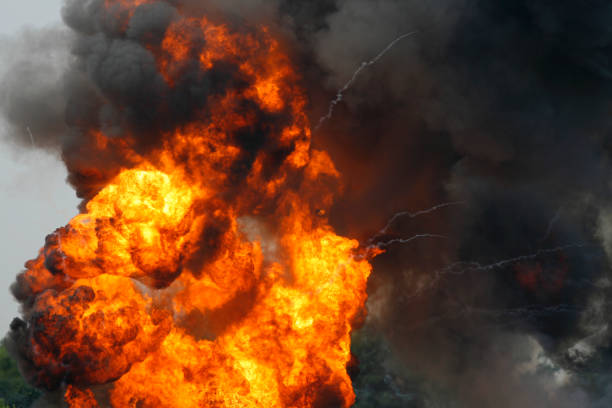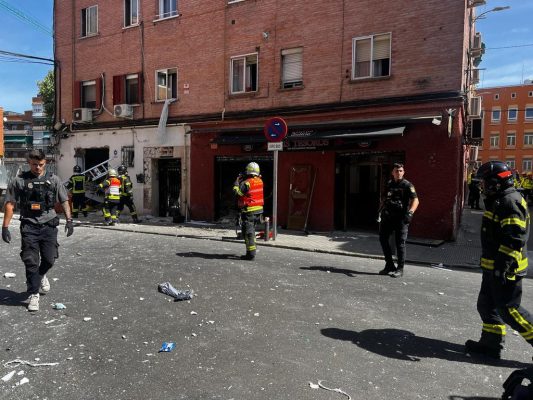


Residents of Mexico City continue to mourn after an explosive accident involving a gas truck in the densely inhabited Iztapalapa area led to a rising death toll and renewed public discussions about urban safety. Local authorities revealed over the weekend that the number of fatalities had reached 13 by Saturday, with at least 40 individuals still hospitalised across the city with serious injuries caused by burns. Nigerian readers will recognise the urgency and heartbreak in this tragedy, as urban centres across West Africa often battle with similar challenges of fuel transport safety, emergency response, and public regulation.
According to official statements from Mexico City’s mayoral office, the incident occurred on Wednesday when a truck, reportedly transporting close to 50,000 litres of liquefied petroleum gas (LPG), suddenly exploded while navigating the packed streets of Iztapalapa—a neighbourhood known for its high population density and bustling daily activity. According to local emergency responders, scores of residents suffered from second- and third-degree burns, with some victims still in critical condition.
Initial reports, as outlined by the public information service and Mexican news agencies, indicated that three lives were lost in the immediate aftermath. However, as rescue operations and hospital admissions progressed, authorities disclosed that the death toll had steadily increased—a fact that echoes the familiar challenges faced by emergency management teams in Lagos, Accra, and other African cities where fire outbreaks or gas explosions often test local healthcare capacities.
Ongoing care for the injured is straining local medical resources, with about 40 people still receiving treatment as of Saturday, according to recent city health department statistics. The event has brought to the fore questions regarding road safety, tanker regulations, and preventive policy—a matter not at all unfamiliar to West African communities who have endured similar disasters sparked by poorly maintained or recklessly operated petrol tankers in urban areas.
One of the incident’s most poignant stories has gripped hearts far beyond Mexico’s borders. Among those newly counted among the deceased is Alicia Matias, a 49-year-old woman hailed by the Mexican media as “the hero grandma.” According to news reports verified by municipal statements, Matias used her own body to shield her two-year-old granddaughter during the explosion, resulting in burns that covered up to 90 percent of her own body. Although Matias managed, despite her injuries, to carry the young child in her arms in search of help, she sadly succumbed to her injuries days later.
Images circulated on social platforms and major news outlets captured Matias’ courage, sparking waves of condolence and reflection about communal values and the strength of family ties. Mexico City Mayor Clara Brugada, in a message posted on X (formerly Twitter) on Saturday, praised her actions, writing, “Her act of love has left a profound mark.” Her sacrifice has inspired many, reminding audiences in Nigeria and across Africa of stories closer to home, where everyday heroism often emerges in the face of sudden crisis.
Investigative authorities are still examining the precise sequence of events that led to the catastrophic blast. Preliminary findings, as reported by Mexico’s civil protection agencies and supported by statements from the local police, suggest that the truck, which was allegedly speeding, may have struck an object that ruptured its fuel tank. Such a scenario is not without precedent: Lagos, for example, has witnessed comparable accidents tied to erratic driving behaviours or inadequate vehicle maintenance, resulting in tragic loss of life and property.
The incident has prompted calls for stricter monitoring and regulatory reform. Mayor Brugada has publicly pledged, according to the city’s press release, to introduce more robust guidelines governing the movement and maintenance of fuel tankers in Mexico City, home to more than 9 million residents. “We cannot allow such preventable tragedies to recur,” Brugada stated, emphasising the government’s commitment to tightening standards in collaboration with both public and private fuel distribution agencies.
For West African readers, the Mexico City disaster raises important questions about the safety standards currently in use in our own environments. In recent years, Nigeria and Ghana have both witnessed gas explosions in markets, transport corridors, and even residential communities—events often triggered by lax safety enforcement, poorly maintained vehicles, or inadequate training of drivers and handlers. The 2018 Lagos tanker explosion at Otedola Bridge, which claimed many lives and caused massive traffic disruptions, stands as a stark reminder of the dangers surrounding urban fuel transport in developing economies.
According to Olakunle Aribike, a Lagos-based safety consultant interviewed for this article, “Africa’s urban centres face a unique set of challenges due to rapid population growth, infrastructure constraints, and evolving fuel supply systems. As in Mexico, tragedies frequently expose gaps in our existing regulatory frameworks and emergency response capabilities.”
Globally, urban governments grapple with striking a balance between development needs and public safety. For example, regulatory agencies in the United States and Europe enforce stringent standards for fuel tanker movement, requiring regular checks, scheduled maintenance, and designated tanker routes away from densely populated areas. In many African cities, however, enforcement remains inconsistent, often due to resource limitations or complex bureaucracy, leading to periodic catastrophic incidents.
Experts warn that effective solutions require both government oversight and active community engagement. According to Dr. Harriet Ofori, a Ghanaian industrial safety analyst, “While authorities can introduce new rules, long-term improvements depend on robust public education, regular vehicle inspections, and strong partnerships between regulators, transport companies, and community leaders.”
Residents in both Mexico and various African nations are increasingly turning to digital platforms to report dangerous conditions or advocate for reform. For example, social media campaigns in Nigeria have pressured authorities to implement fuel truck speed limits and designate safer tanker routes through urban centres. Nevertheless, enforcement remains a work in progress, with corruption and logistical hurdles posing ongoing risks.
For urban dwellers and commuters in cities like Lagos, Accra, and Port Harcourt, the lessons from the Mexico City explosion are all too familiar. As fuel demand and vehicular movement continue to rise, civic vigilance, media coverage, and government accountability will be essential to prevent further tragedies and protect everyday citizens—drivers, traders, and families alike.
What measures do you believe would most effectively reduce the risk of gas explosions and fuel tanker accidents in your city or community? Should local authorities prioritise stricter regulations, driver training, or improved community reporting systems? Share your views in the comments section and don’t forget to follow us for more updates and in-depth analysis on fuel safety and urban development across Africa and the world.
Have an experience or insight about fuel safety in your area? Do you have a story you want to share or sell? We’d love to hear your voice and get your story featured! Email us at [email protected] to submit or discuss story sales. For support or inquiries, reach us via [email protected].
Be the first to know—follow us on Facebook, X (Twitter), and Instagram for real-time news and community updates!