

As Africa’s digital revolution accelerates, discussions have intensified around the need to fortify data protection laws and governance. Stakeholders across the continent are sounding the alarm: with over 1.4 billion Africans generating massive data every day, robust regulatory frameworks are crucial not just for protecting privacy, but also for transforming Africa into a thriving digital economy.
This was front and centre at the recent Multi-Country Data Governance Study Tour held in Abuja, Nigeria. The five-day event, organised by the Data Governance in Africa Initiative and hosted by the Nigeria Data Protection Commission (NDPC), gathered policymakers, lawmakers, and experts from Botswana, Eswatini, Mozambique, Tanzania, Sierra Leone, The Gambia, and Nigeria, alongside international development partners. The event focused on crafting actionable strategies for continent-wide improvement in data protection, reflecting a growing consensus that data governance is foundational to Africa’s economic future.
Charting Africa’s Digital Future: Why Data Protection is Essential
During his remarks, Senator Salisu Afolabi, Chairman of the Nigerian Senate Committee on ICT and Cyber Security, emphasised the urgent need for Africa to enact and enforce strong laws that both safeguard citizens and allow technology to flourish. According to Senator Afolabi, “Cyberspace is the new land, and data is its currency. If a country can’t protect the data of its people, it’s as vulnerable as a nation without physical defences.”
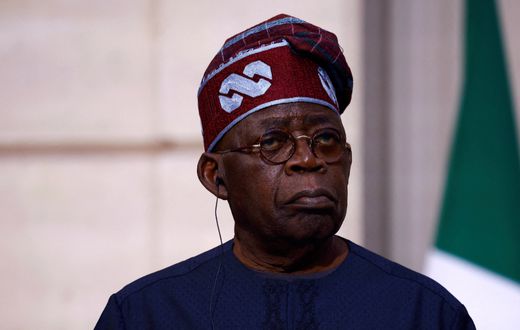
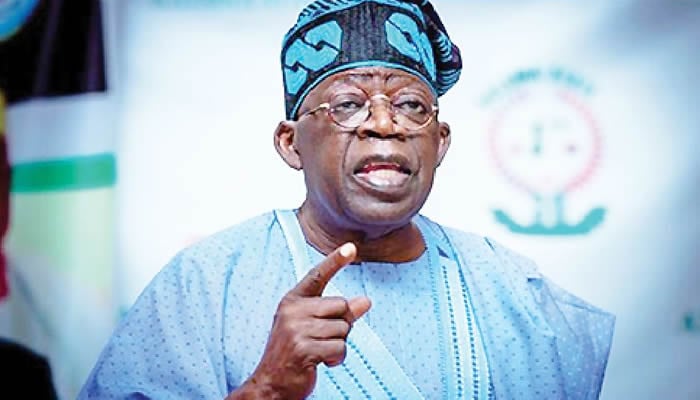
Nigeria has sought to set the pace through the signing of its Data Protection Act, one of the first bills endorsed by President Bola Tinubu in June 2023. Afolabi described this legislative step as pivotal for building a digital economy based on trust and security—a sentiment echoed by the National Assembly’s ongoing review of cybersecurity and cybercrime bills to ensure they reflect global best practices.
The senator highlighted that with Africa boasting one of the youngest populations anywhere in the world, the continent has unmatched potential to lead in tech innovation—provided governance is not left behind. He also issued a call for unity, stressing that no African country needs to “start from scratch” but should instead learn from existing success stories across the region. “Africa doesn’t lack good ideas; what we often lack is bringing them to fruition,” Afolabi remarked, encouraging each country represented to return home with a practical, actionable national plan.
Data as a National Asset: The Challenge of Governance and Enforcement
From a legislative and policy perspective, Africa faces several hurdles. While initiatives abound, weak enforcement frequently undermines their effectiveness. Senator Afolabi cautioned that failure to fully implement robust data protection will continue to place the continent at a disadvantage, especially as global economic activity shifts further online.
Linking data protection to national sovereignty, he drew attention to the increasing opportunities in artificial intelligence, cybersecurity, and digital trade—all of which depend on secure and trusted data systems. “Our ability to safeguard citizens’ data will determine whether Africa is at the forefront or left behind in the digital revolution,” he said.
Learning from Nigeria’s Example—and Looking Beyond
Dr. Vincent Olatunji, Director-General of the NDPC, called for pan-African cooperation to harmonise data governance, citing the African Union’s Malabo Convention and Data Policy Framework as foundational blueprints. According to Olatunji, while Africa’s 1.4 billion people collectively produce a “data powerhouse,” without proper governance in place, much of the potential value is lost—or gained by others outside the continent.
He pointed out that Nigeria’s recent reforms are already bearing fruit: over 23,000 data protection officers have been registered, compliance is yielding millions in revenue, and investor trust is growing. “Data is the new oil, but unlike crude, it cannot be exported in its raw form. It must first be refined through strong governance and innovation,” Olatunji explained, adding that the Data Protection Act was designed not just as a legal safeguard but as a catalyst for Nigeria’s digital trust and growth.
“Good law is only the foundation,” Olatunji continued. “The true value is in its enforcement and our ability to create an ecosystem where citizens’ rights are respected and businesses and investors are confident.” He urged other African nations to collaborate and build on one another’s progress, avoiding duplication and accelerating continent-wide adoption of best practices.
International Partnerships and The Global Race for Data Sovereignty
The growing recognition of Africa’s digital significance is also bringing new international partnerships to the fore. Felix Reinhold, Political Counsellor at the German Embassy in Nigeria, noted that Germany and other European partners are committed to supporting Africa in creating frameworks that foster digital trust and protect privacy. He asserted, “Africa’s data must serve Africans first. We cannot let foreign companies extract value with little in return for local communities.” Reinhold stressed that keeping African data in African hands can spark local innovation, generate jobs, and contribute profoundly to sustainable development.
This call for self-reliance is echoed in business circles, where clear data governance is viewed as key to attracting both domestic and international investment. According to Reinhold, “Stronger data protection not only safeguards the public but draws in investors looking for transparent, rules-based digital economies.”
From the perspective of the European Union, Massimo de Luca, Head of Cooperation at the EU Delegation to Nigeria and ECOWAS, described data governance as a crucial “strategic lever” for unlocking Africa’s economic potential. Trustworthy institutions, he argued, will be vital for developing a single continental digital market—and for ensuring that Africa has a strong voice in how global technology is shaped.
Nigerian and West African Perspectives: Balancing Opportunities and Risks
For many Nigerians, the debate over data protection has immediate personal relevance. Lagos-based digital rights expert Chidera Nwosu told this publication, “With so many people transacting, working, and living their lives online, every phone call, mobile money transfer, or online application is a potential risk if not protected. But it’s also an opportunity: good data laws invite investment and build global trust in Nigerian businesses.”
However, challenges persist. According to recent reports, a significant number of African countries still lack comprehensive data protection legislation, and some that do face hurdles in enforcement due to limited resources, technical expertise, or political will. Cybercrime remains a growing threat, with government and private sector systems both frequent targets. In response, advocacy groups have called for more transparency and citizen oversight, particularly around cross-border data transfers and collaboration with foreign technology firms.
- Only about half of African countries have enacted dedicated data protection laws as of 2023, according to the African Union’s Cybersecurity Convention.
- Experts agree that robust enforcement mechanisms, regulatory harmonisation, and cross-border cooperation are essential for Africa to unlock the full economic value of its vast data resources.
- Public awareness remains a critical weak spot: research from Nigeria’s Paradigm Initiative suggests that many individuals and businesses are unaware of their digital rights or legal responsibilities under new laws.
Regional Collaboration: The Way Forward
At the Abuja event, participants agreed that collaboration—not isolation—is key to success. Adopting best practices from neighbours, sharing expertise, and tackling challenges as a region can enable faster progress than any country acting alone. Existing frameworks like ECOWAS, regional economic blocs, and the African Continental Free Trade Area (AfCFTA) could provide important platforms for coordination and collective bargaining.
“We need to remember that digital borders often don’t align with national borders. Without coordinated policies, Africa risks losing out to more unified global competitors,” warned Ghanaian technology lawyer and conference attendee, Nana Kwame Ofori.
Looking Ahead: Building Trust for a Digital Africa
The message from Abuja is clear: if Africa can get data governance right—by learning from each other, enforcing existing laws, and prioritising the needs of citizens—then the continent stands poised to leapfrog into global digital leadership. But gaps in enforcement, investment in digital literacy, and balancing data sovereignty with international cooperation will be the testing grounds for success.
The future of Africa’s digital landscape depends not only on bold visions but on real, sustained action at home and in partnership with trusted international allies. As Nigeria and West Africa step forward, the race to define who benefits most from Africa’s data is well and truly underway.
How do you feel about the state of data protection in Nigeria and across Africa? Do you think robust laws and enforcement will help unlock our economy’s digital potential—or are there still bigger hurdles to overcome? Drop your thoughts below and follow us for the latest updates on Nigeria’s tech future!
Need general support or want to provide feedback? Contact us at [email protected].
Don’t forget to join the conversation on Facebook, X (Twitter), and Instagram for more tech, business, and policy news.