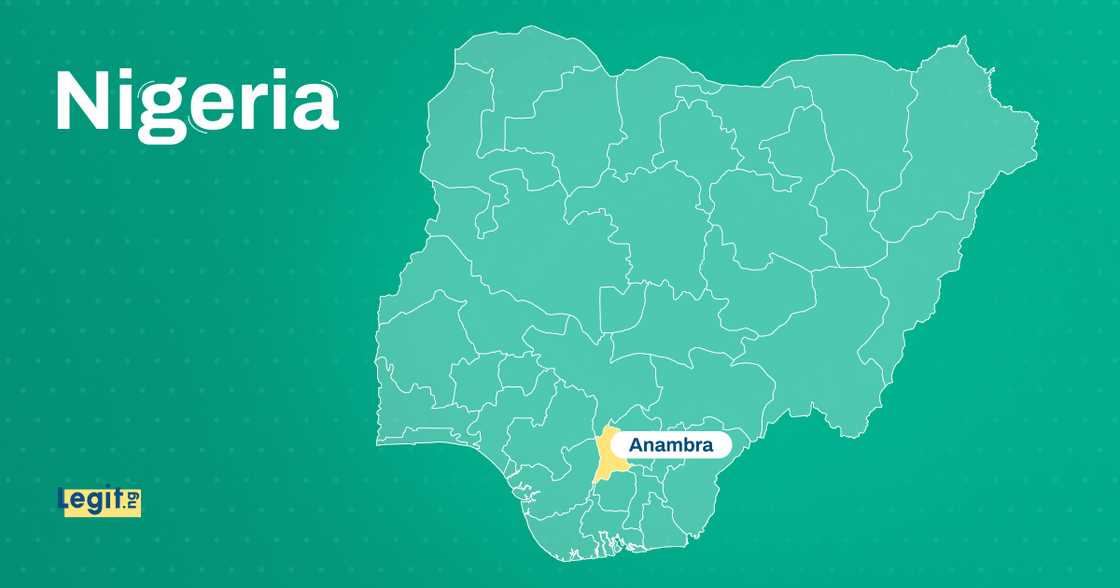


A troubling incident has unfolded at Aminu Kano Teaching Hospital (AKTH) in Kano, shedding light on the deep challenges facing Nigeria’s fragile health infrastructure and power sector. According to multiple sources, including statements from hospital officials and coverage by Daily Trust, three patients being treated in the Intensive Care Unit (ICU) at AKTH reportedly lost their lives following a sudden electricity disconnection by the Kano Electricity Distribution Company (KEDCO). The event has sparked widespread debate, anger, and calls for urgent intervention across Kano state and beyond.
KEDCO’s decision to halt electricity supply was reportedly in response to a longstanding debt owed by the hospital, which had accumulated to N949.88 million as of the end of August 2025. This outstanding electricity bill is one of the largest in the region, underscoring both the mounting cost pressures facing Nigerian public institutions and ongoing concerns about utility revenue recovery. The disconnection, which hospital personnel described as “avoidable,” has reignited national conversations about the power sector’s relationship with vital social services—especially hospitals where uninterrupted electricity is often a matter of life and death.
Amid an outpouring of public outrage on social media and in local communities, many Nigerians have questioned how such a vital facility could be disconnected without robust safeguards for patients most at risk. Some civil society voices, like Kano-based health advocate Musa Adamu, have argued that “no hospital should ever have its electricity cut off due to unpaid bills—especially an institution serving millions in Northern Nigeria.”
The situation has drawn comments from both sides. KEDCO’s Head of Corporate Communications, Mr. Sani Bala, issued a statement warning that further action might be taken if AKTH failed to clear its more recent bill of N108.95 million in the next 10 working days. He said that non-payment would not go unaddressed, emphasizing the company’s need to ensure financial sustainability to provide power to all sectors.
According to Daily Trust and official remarks by the hospital’s Chief Information Officer, Hauwa Inuwa Dutse, AKTH staff revealed the sudden blackout had a devastating impact, particularly on those dependent on life-support equipment. The hospital reportedly scrambled to switch over to diesel-powered generators, but the power transition was not seamless, severely affecting critical care units, including paediatrics and neonatal wards.
“On that very day, Friday, there were four patients on admission, and due to the power outage, three of them died.”
A staff member in the hospital’s paediatric ward described the situation as dire, noting that “the generators are our only hope right now—many newborns are struggling as the entire ward depends on backup power.” Medical personnel have pleaded with authorities at both KEDCO and AKTH to urgently resolve the financial dispute, as further delays could put additional lives at risk.
“We call on management and the electricity company to put aside their differences and act now—our patients cannot wait,” the staff member said, echoing sentiments heard throughout the hospital community.
“The hospital has already begun to record deaths. If this continues, the catastrophe in healthcare delivery will only worsen.”
KEDCO Claims Hospital Using Crisis as Leverage
In an unexpected twist, KEDCO’s spokesperson Sani Bala Sani accused the hospital of using the crisis to unfairly sway public opinion, characterizing the backlash as “blackmail.” He explained that the company had restored power to AKTH before the news of the fatalities emerged, and therefore disputed the connection between the electricity cut and the reported deaths. He claimed that reports of death stemming from the outage were unsubstantiated, saying, “Power was already back before this public outcry.”
Sani also clarified that the disagreement was rooted in an ongoing process to restructure the hospital’s electricity supply: KEDCO had proposed placing the main hospital facilities on the higher-priority 33kV Zaria Road feeder (Band A), which typically offers up to 22 hours of power daily. However, according to Sani, the AKTH management wanted staff residential areas to continue on the hospital’s critical power line, a move KEDCO opposed out of concern for system integrity and fair usage.
He said, “Our plan is to ensure the hospital itself receives maximum supply, but we can’t accommodate staff residences on the same dedicated line given the obligations to prioritize hospitals.” Negotiations have reportedly stalled over this point of contention, with both sides calling for resolution but sharing different perspectives on how to achieve it.
“This led to a severe fault which caused the recent outage we had consistently sought to prevent,”

Source: Original
AKTH’s Plea: Power Cuts Endanger Lives
AKTH management has publicly appealed to KEDCO to restore regular power supply, highlighting that the most affected were patients whose survival depended entirely on electricity for life support. According to Chief Information Officer Hauwa Inuwa Dutse, “These deaths could have been prevented had electricity not been cut.”
The hospital’s leadership insists it has consistently attempted to pay its bills—though often with delays—and spends significant sums on diesel fuel to operate backup generators. The spiralling cost of diesel, coupled with the high energy bills, exposes a broader crisis that affects most public hospitals and institutions in Nigeria. AKTH officials assured the public they are making arrangements to settle the outstanding balance, calling for the understanding and support of the wider community.
Power Sector Woes Across Nigeria: Context and Regional Impact
Nigeria’s perennial power challenges are well known, with public hospitals, schools, and universities often struggling to maintain operations amid inconsistent supply and rising costs. According to the Nigerian Electricity Regulatory Commission (NERC), outstanding power sector debts nationwide have crossed N5 trillion, affecting not just Kano but also other major regions, including Lagos, Abuja, and Port Harcourt. Healthcare facilities, in particular, are considered “special customers,” yet in practice, many remain vulnerable to disruptions due to contractual, financial, or technical disputes.
Comparative trends from other West African nations like Ghana and Côte d’Ivoire reveal both similar and contrasting stories: while power privatisation has improved grid reliability in places, many public sector institutions still face budget shortfalls that put them at risk of disruption. In Nigeria, the regulatory framework technically mandates that hospitals and critical infrastructure receive dedicated (“protected”) lines, but enforcement and funding gaps create room for crises like the one unfolding at AKTH.
KEDCO’s Renewable Energy Plans: A Path Forward?
In response to the escalating demand for more reliable electricity, KEDCO has initiated partnerships in the renewable energy sector. Recently, the company signed an agreement with J-Marine Logistics Limited to develop a 100 MW solar power plant in the region, complete with a battery storage system intended to stabilize supply and reduce reliance on fossil fuels. According to KEDCO, this project will “provide cleaner energy, boost local industry productivity, and deliver tangible returns by prioritizing sectors most in need—including healthcare, education, and manufacturing.”
J-Marine Logistics brings to the partnership a commitment to local capacity building, with plans to begin producing electricity meters within Nigeria and manufacturing as much as 500 MW of solar panels annually. Such developments, if implemented effectively, could transform the region’s energy infrastructure and better protect public facilities from future outages.
Yet, experts warn that without robust implementation, persistent challenges—like legacy debts and unclear supply priorities—could undercut these ambitions. Lagos-based energy analyst Dr. Fatima Ogundele notes, “It’s encouraging to see investments in renewables, but hospitals must become true priority customers. If accountability isn’t closely monitored, we risk repeating the problems of the past.”
Looking Ahead: Can Nigeria Safeguard Its Hospitals?
As this incident at AKTH reverberates throughout the country, urgent questions remain about how Nigeria can ensure hospitals are never again caught in the crossfire of utility disputes. Many West Africans wonder what regulatory or financial reforms might best prevent power interruptions in hospitals—should the government subsidize public hospital electricity bills, or should DisCos maintain emergency supply frameworks for healthcare facilities?
The events in Kano present both a wake-up call and an opportunity for far-reaching dialogue about healthcare, infrastructure financing, and governance in Nigeria and the wider region. The need for policy reform, increased funding, and enhanced accountability is more pressing than ever.
What do you think—should hospitals like AKTH be protected from power disconnections, and what should be done when bills go unpaid? Share your opinion below and join the conversation on social media.
Need support? Contact us at [email protected].
Connect with us and join the discussion: Follow on Facebook, X (Twitter), and Instagram for real-time updates and more stories shaping Nigeria and West Africa!