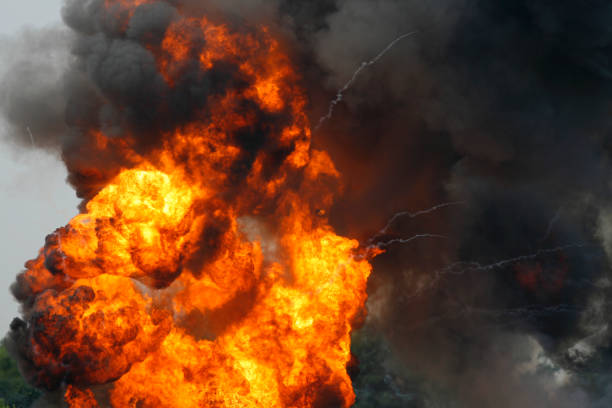
A sombre mood descended on Kaduna over the weekend following a deadly explosion at the Defence Industries Corporation of Nigeria (DICON). The tragic incident, which reportedly originated during the production of gunpowder, claimed the lives of two individuals—including a serving military officer—and left four others with critical injuries. The blast shattered daily routines in the bustling Kurmin Gwari area and reverberated across local communities, underlining concerns over industrial safety in Nigeria’s vital defence sector.
How the Explosion Unfolded
The incident took place on a Saturday while workers were engaged in a weekend production shift at the DICON factory, a cornerstone facility for Nigeria’s indigenous arms manufacturing efforts. According to eyewitness testimonies collected at the scene, the explosion struck abruptly, sending shockwaves through the neighbourhood. Several local residents, still shaken by the force of the blast, recalled the experience to our correspondent.
“There was a massive blast—it rattled the nearby homes around DICON. People were rushing away from the area in fear,” said one resident, who requested anonymity due to safety concerns. Initial confusion led many to believe the explosion might have been a targeted attack or bomb, yet it soon emerged that it originated within the factory itself.
Immediate Response and Rescue Efforts
In the minutes that followed, emergency response swung into action. Eyewitnesses described how victims—some with visible injuries—were quickly evacuated from the factory floor. Four individuals, all reportedly civilian workers, sustained serious injuries and were rushed to St. Gerard Catholic Hospital in Kakuri, a nearby medical centre approximately two kilometres from the DICON facility. Medical teams worked urgently to stabilise the injured, while relatives and colleagues of the victims gathered outside, gripped by anxiety and sorrow.
“It was chaos at the hospital,” recounted a witness present during the rescue. “DICON staff, family members, and sympathisers filled the place—tears and prayers everywhere, as doctors moved fast to help those who had been brought in.”
Transfer to Military Care
As the situation evolved, a military ambulance arrived to transport the more severely injured to the 44 Nigerian Army Reference Hospital. This facility, known for its advanced trauma care and connection to the armed forces, is better equipped to handle life-threatening injuries, especially those involving military staff or defence personnel. At press time, the condition of the four wounded workers remained critical, with medical staff declining to provide details pending notification of next of kin and further assessment.
What Caused the Explosion?
While official statements had not yet been issued by DICON management, multiple factory insiders and first responders indicated that the explosion occurred during the manufacturing of primer powder, a highly volatile material essential in ammunition production. “The explosion happened in the gunpowder section,” a DICON worker familiar with the process alleged. “A military officer was killed instantly, alongside a civilian staff member. Others were severely injured; the situation was harrowing.”
The Broader Impact: Industrial Safety in Focus
This latest incident has reignited debate on safety standards within Nigeria’s nascent defence manufacturing industry. DICON, established in 1964, represents the country’s premier attempt to localise arms production and reduce dependency on foreign imports. Despite its strategic importance—furnishing weapons and ammunition to the Nigerian Armed Forces—analysts argue that robust safety protocols and regular facility audits are essential to safeguarding workers and the wider public.
Safety consultant and Lagos-based industry analyst, Dr. Musa Bello, noted, “Explosive manufacturing is among the highest-risk industrial activities. While DICON has made great strides in production capability, there’s a growing need for continuous investment in safety training and modern emergency response systems to prevent incidents like this.” Dr. Bello also highlighted similar incidents in the global south, pointing to recorded explosions in arms factories in countries such as Ghana and South Africa. “These events remind us that safety must advance alongside industrial ambition,” he said.
Community Reactions and Local Outcry
Kaduna residents, particularly those living in close proximity to the factory, expressed shock and concern over their vulnerability to such industrial accidents. Many called for an independent inquiry into the incident, emphasising the need for transparent reporting and community engagement on safety practices at the plant. “We need more information about what happened and why—people live very close to this factory, and we all deserve to feel safe in our homes,” said journalist and local advocate, Hauwa Suleiman.
The incident also raises pressing questions about disaster preparedness and resource allocation in one of Nigeria’s most critical industries. While the prompt medical response and intervention by military and civilian authorities have been commended, some citizens worry that the underlying causes—such as lapses in safety oversight or insufficient maintenance—might not be addressed without public pressure.
DICON’s Role in National Security
As the oldest and largest indigenous arms manufacturer in Nigeria, DICON plays a crucial role in equipping security agencies for both internal and regional challenges. Over the years, the factory has produced a range of weapons and munitions, supporting efforts to tackle armed conflict, insurgency, and border security threats.
However, the risks associated with this important work cannot be overstated. Reports from the African Union Commission and defence policy think tanks highlight a need for comprehensive safety standards, regular inspections, and substantial investment in technology upgrades across the continent’s arms industry. Nigeria, given its ambitions to lead in local defence manufacturing and export, faces particular scrutiny.
The Global Context: Lessons from Abroad
Globally, similar disasters have prompted major policy reforms. In 2007, an explosion at an arms factory in Albania led to sweeping changes in industrial licensing, staff training, and community emergency planning. West African countries—including Ghana and Côte d’Ivoire—have cited these cases while updating their national regulatory frameworks for defence and hazardous industries. Safety officials stress the importance of learning from such events, adapting global best practices to fit the West African context, and maintaining vigilance in high-risk sectors.
The Path Forward: Ensuring Safety and Transparency
As investigations into the DICON explosion continue, Nigerian authorities face public calls for greater accountability and for supporting injured workers and the families of those who lost their lives. Lawmakers, policy analysts, and civil society groups are urging the government to prioritise safety reforms, improve transparency, and ensure regular dialogue with affected communities.
What more can be done to protect workers and citizens living near high-risk industrial facilities like DICON? Should Nigeria adopt internationally recognised safety certifications for all factories handling explosive materials, or establish broader community evacuation plans? Your voice matters—share your thoughts in the comments below, and stay connected with us for further updates on this developing story.
Your Voice Matters!
Have insights or eyewitness accounts related to this story? We want to hear from you! If you have a story to share or wish to sell your story for publication, email us at [email protected]. For support, you can also reach us at [email protected].
Don’t miss a beat—follow us on Facebook, X (Twitter), and Instagram for real-time news, analysis, and community voices from across Nigeria and West Africa!