Queen Irene Onwuka, widely recognised for her advocacy and developmental work, has once again been thrust into the spotlight for her ongoing contributions to people with disabilities, women’s empowerment, and children’s education. At the recently held African Women’s Achievers Awards and Summit (AWAA 2025) in South Africa, Queen Onwuka, the visionary behind the Queen Irene Onwuka Peace Foundation (QIOP), was celebrated among the “100 African Woman Change Makers” and presented with the title of “African Icon 2025 for Economic Advancement.”
AWAA, a gathering renowned for honouring extraordinary women from diverse sectors across 30 African countries, focused this year’s event on leaders who are shaping Africa’s development future. Organisers cited Queen Onwuka’s consistent commitment to societal advancement and her special focus on communities often sidelined by mainstream discourse as reasons for her selection (source: AWAA official statement, 2025).
Speaking via her verified social media profile, Queen Onwuka expressed profound gratitude for being recognised on such a significant international platform. She remarked, “I was thrilled and honoured to be recognized as one of the 100 African change markers and African Icon 2025 for Economic Advancement. This is an award I don’t take for granted at all. It is a call for more efforts and contributions in little way we can for the economic good of Africa.” According to her, the accolade serves not only as motivation, but as a challenge to intensify her work for transforming African societies.
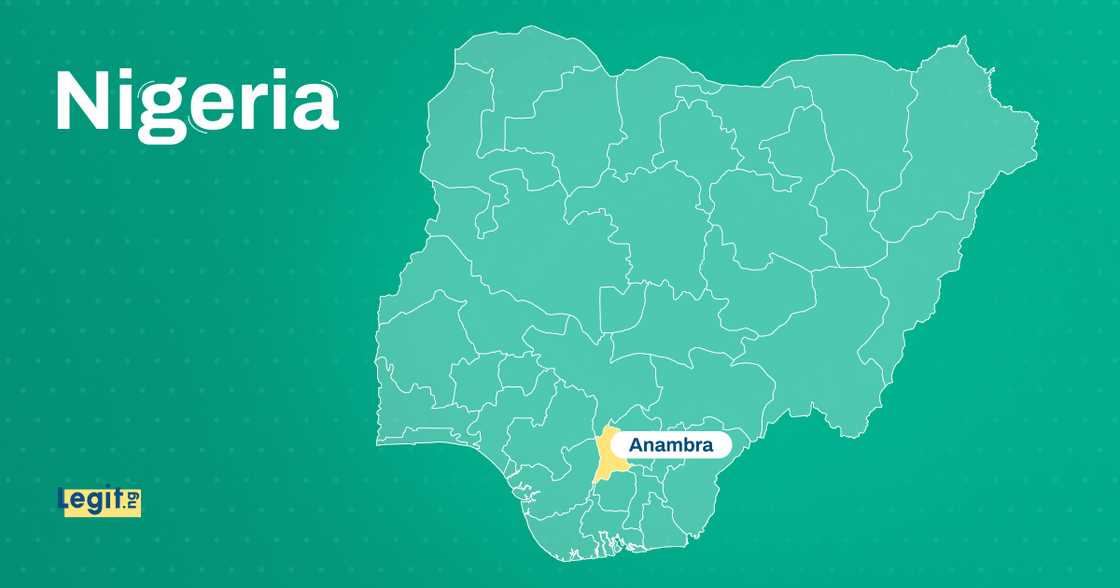
The Queen Irene Onwuka Peace Foundation, which she established several years ago, is a non-governmental organisation operating primarily in Nigeria and parts of West Africa. The Foundation concentrates its efforts on three major fronts: supporting persons with disabilities, promoting the rights of children to quality education, and empowering women through tailored skill-building programmes and leadership initiatives. In 2024 alone, the Foundation reportedly supported more than 10,000 beneficiaries across different states, according to its annual report.
At the AWAA 2025 summit, all honorees—including Onwuka—were inducted into the Women’s Empowerment Achievers Forum. This collective, according to organisers, aims to create lasting collaborative opportunities for advancing gender equality and economic empowerment across the continent. It’s another milestone that underscores the increasing synergy among African women leaders and amplifies the role Nigerian women play in shaping the continent’s development narrative.
Further cementing their impact, a select group of awardees—including Queen Onwuka—were presented with honorary doctorate degrees in recognition of their transformative contributions to society (per event organisers). While critics have often questioned the abundance of honorary degrees in Africa, supporters insist such accolades put a valuable spotlight on those catalysing genuine grassroot change where it matters most.
A Lagos-based social impact analyst, Yetunde Bakare, commented, “What makes Queen Onwuka’s recognition significant is the real, tangible difference her projects are making—especially in communities where opportunities for women and the disabled are limited. These awards should encourage policymakers and other leaders to direct more funding and attention to such vital work.”
One of the major highlights of QIOP’s recent activities was the signing of a historic partnership with the Office of the Senior Special Assistant to the President of Nigeria on Special Needs and Equal Opportunities. This collaboration, publicly announced in late 2024, aims to scale up empowerment initiatives and widen the capacity-building pipeline for Nigerians living with disabilities. The Foundation, alongside this federal office, hopes to craft sustainable strategies that close opportunity gaps and enable more inclusive economic participation.
In a country where, according to the National Population Commission, over 25 million people live with disabilities (NPC, 2023), and where child literacy and women’s economic participation still lag behind comparator nations, the work of organisations like QIOP carries particular significance. International observers, including the United Nations Development Programme (UNDP), have cited Nigeria’s complex mix of socio-economic barriers, including discrimination, poverty cycles, and limited rural access, as ongoing impediments to empowerment. Against this backdrop, Queen Onwuka’s projects are seen as practical, innovative, and replicable across the region.
It is not the first time Queen Onwuka’s impact has been widely acknowledged. At the African Iconic Women Recognition Awards (AIWRA) prior to AWAA 2025, she was recognised as the African Iconic Young Humanitarian—a testament to her growing influence among the next generation of leaders in Africa.
In conversations with local beneficiaries and grassroots activists, the resonance of her work is tangible. For example, Hafsat Emediong, a participant in QIOP’s micro-entrepreneurship training in Abuja, stated, “What Queen Onwuka is doing goes beyond charity; she’s building confidence, helping us stand on our own feet. We need more leaders like her.”
Nevertheless, challenges remain. Despite a growing recognition of inclusive development, funding for disability programmes, child education, and female entrepreneurship in West Africa can be sporadic, and public sector collaboration is sometimes hindered by bureaucracy. Experts stress the need for long-term investment, better tracking of outcomes, and stronger advocacy coalitions. As noted by Dr. Chinedu Ike, a development consultant for ECOWAS, “While high-profile awards are commendable, what matters most is policy follow-through, system change, and the transfer of successful models from one community to another.”
Looking at the broader West African context, women’s leadership in non-governmental organisations and civil society continues to grow, but faces entrenched obstacles. According to a 2023 ECOWAS report, women make up less than a quarter of executive directors in leading social sector NGOs—a statistic advocates hope will change as more figures like Queen Onwuka gain visibility and inspire others.
On the global scale, the type of recognition awarded by the AWAA is especially meaningful, strengthening international ties and spotlighting Africa’s potential for inclusive growth. Previous recipients have gone on to secure major international grants, lead cross-continental collaborations, and influence governmental policy in their home countries. For local communities in Nigeria and Ghana, such successes help create new models for grassroots change that are homegrown and sustainable.
Queen Onwuka’s journey continues to inspire many, but as her own remarks at AWAA 2025 reveal, she sees each recognition not as a capstone, but as a motivator. She has called on Nigerian and African stakeholders—government, business leaders, and citizens alike—to join hands in creating opportunities for the nation’s most vulnerable. Her foundation’s recent initiatives and partnerships offer blueprints that others can adapt and scale.
As Nigeria and West Africa move forward on a path of accelerated development, the mantle of leadership rests in part on those willing to invest time, energy, and passion in building stronger, more inclusive communities. The stories of Queen Onwuka and her contemporaries serve as benchmarks for what’s possible when vision meets action.
How do you think Nigerian and West African policymakers can better support grassroots changemakers like Queen Onwuka? What local initiatives in your community are making a difference? Drop your views in the comments below, and don’t forget to follow us on social media for the latest in development news and inspiring local stories.
For general support or inquiries, contact us at [email protected].
Let’s keep the conversation going—join us on Facebook, X (Twitter), and Instagram for daily updates, community stories, and more opportunities to get involved!