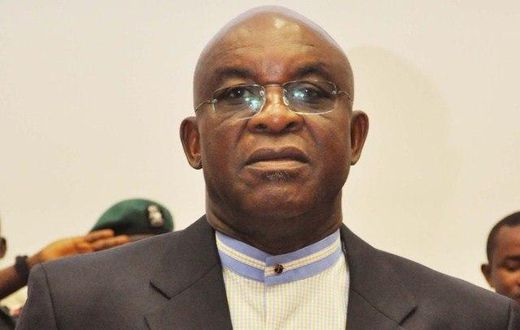


In Lagos State, the traditional institution is not only a symbol of heritage but also a source of pride and unity for communities. This week, that pride was put to the test as the Lagos State Police Command announced the detention of a man accused of unlawfully presenting himself as the ‘Obi of Lagos’ during what authorities described as an unauthorized installation ceremony. The move, which allegedly involved elaborate plans to introduce a fabricated royal palace, has since sparked discussions around the importance of safeguarding cultural systems from potential exploitation.
According to a statement made on Wednesday by Deputy Superintendent of Police (DSP) Babaseyi Oluseyi, the individual at the heart of the controversy, aged 65 and reportedly from the Obodoukwu Ancient Kingdom in Ideato North Local Government Area of Imo State, was apprehended alongside three others said to have aided him. The ages of the alleged accomplices were given as 41, 51, and 65, respectively. Police sources have stated that these arrests were the result of careful intelligence gathering and prompt intervention.
Oluseyi disclosed that law enforcement had become aware of detailed plans to unveil what was referred to as a prototype palace, reportedly valued at N1.5 billion, named the “Palace of Obi of Lagos State” on Saturday at Apple Hall in the Amuwo Odofin area. He clarified, “Intelligence available to the Lagos State Police Command revealed that this group had finalized elaborate arrangements to introduce this so-called palace under false pretenses.”
In a proactive move, officers responded by sealing off the intended venue, prioritizing the maintenance of public order and seeking to prevent what authorities described as a possible disruption of peace. “Acting on the information, the police promptly sealed off the venue to forestall any breach of peace and to protect unsuspecting members of the public from being misled,” Oluseyi explained in his media briefing. The operation involved not just conventional police officers, but also the Eko Strike Force and other tactical squads, underscoring the seriousness with which the Command approached the matter.
“Their presence at the premises was to guarantee that the event did not proceed as planned and to ensure that public order and peace within the area were maintained,” Oluseyi added. According to him, the suspects are now in custody, and investigations are progressing with a view to uncovering the motives and full scope of their alleged actions.
As the inquiry continues, the Lagos State Police Command has indicated that findings will be disclosed to the public once investigations conclude. “The outcome of the ongoing investigation will be made public and those found culpable will be charged to court in accordance with Nigerian law,” DSP Oluseyi stated. At the time of reporting, representatives for those detained had not made any public statements in response to the authorities’ allegations.
Reacting to the incident, the Lagos State Commissioner of Police, Mr. Olohundare Jimoh, appealed to the public to remain vigilant against impostors who attempt to exploit recognized traditional titles for personal gain, a sentiment that resonates not only in Lagos but across many West African countries where traditional chieftaincy titles hold deep significance. In his appeal, CP Jimoh warned, “Such actions are not only unlawful but threaten the fabric of our society by undermining institutions that our communities value.”
He further emphasized that the Lagos State Government stands firmly against any acts that contravene established statutes, explaining that the exploitation of traditional positions can ripple into wider confusion and mistrust among citizens. According to information provided by the police, such incidents could potentially lead to unrest if left unchecked, highlighting the delicate balance between cultural practices and legal oversight in Nigeria’s major cities.
Nigeria’s array of traditional rulers, from Obas to Obis, Emirs to Ezes, are widely recognized as custodians of customary laws and social values. The legitimacy of these titles is often shrouded in both rich history and strict customary procedures. Attempts to appropriate such titles, as alleged in this case, have drawn reactions from community leaders and cultural observers. “Our heritage must not be allowed to be misused for selfish interests,” said a community elder in Lagos Island who requested anonymity, reflecting the concerns shared by many local families and cultural associations.
These developments have also resonated in other parts of Nigeria and West Africa. In Ghana, where chieftaincy disputes occasionally make headlines, the incident has prompted parallel discussions about how to protect and modernize aging systems of royal succession. According to Dr. Kwame Adusei, a historian based in Accra, “There is a region-wide need to strengthen documentation and public awareness around legitimate traditional titles to minimize confusion and ensure these systems are not manipulated.”
From a global perspective, the safeguarding of traditional institutions is essential not just for preserving cultural identity but also for fostering social cohesion in rapidly urbanizing societies. Incidents such as the alleged attempted installation in Lagos call attention to the delicate line between modernization and preservation of heritage. International observers, including scholars of African studies, have noted a rise in instances where the allure of societal status that comes with chieftaincy titles is seen as an avenue for influence—sometimes even leading to fraudulent claims.
Within Lagos itself, reactions among residents are mixed. Some view the police action as necessary protection for their cherished customs, while others express concern about broader issues of transparency and proper communication between traditional rulers, the state, and citizens. “While it’s critical to confront impostors head-on, it’s also important that the process of identifying legitimate rulers remains transparent to prevent future controversies,” said Funmi Adebayo, a civil society advocate.
For everyday Lagosians and Nigerians at large, this incident raises broader questions about how individuals identify with, uphold, and challenge their cultural traditions. Many note that with the growing diaspora and evolving social norms, the lines between tradition and official recognition can become blurred. Legal analysts have suggested that more robust systems for candidate verification—potentially making better use of state archives and community consensus—could help bring clarity.
Looking ahead, the Lagos State Police Command has assured citizens of its ongoing readiness to protect public order and the integrity of recognized institutions. “The command will continue to enforce the law firmly and decisively against any individual or group engaging in acts that undermine legality, public order, and the integrity of the state,” DSP Oluseyi reaffirmed. According to sources familiar with the matter, further updates are expected as the investigation proceeds.
As Nigeria and West Africa reflect on this development, one key question remains: How can communities maintain the relevance and sanctity of traditional leadership in a fast-changing society—while ensuring that only those with authentic claims are recognized? Share your thoughts on how traditional titles should be preserved and protected in a modern urban setting.
Food inquiries: [email protected]
General support: [email protected]
Story sales/submissions: [email protected]
Follow us on Facebook
Follow us on X (Twitter)
Follow us on Instagram