

The political climate in Nigeria continues to generate nationwide debate as prominent religious and political figures voice concerns over divisive rhetoric ahead of the 2027 general elections. Recently, attention turned to former Kaduna State governor Nasir El-Rufai after his provocative remarks about the future of the country if the All Progressives Congress (APC) secured another term.
Satguru Maharaj Ji, spiritual leader and head of the One Love Family, responded directly to El-Rufai’s comments, urging the ex-governor to exercise caution in his public statements. Maharaj Ji emphasized that Nigeria’s fragile unity should not be threatened by inflammatory language, especially from those who have wielded significant power.
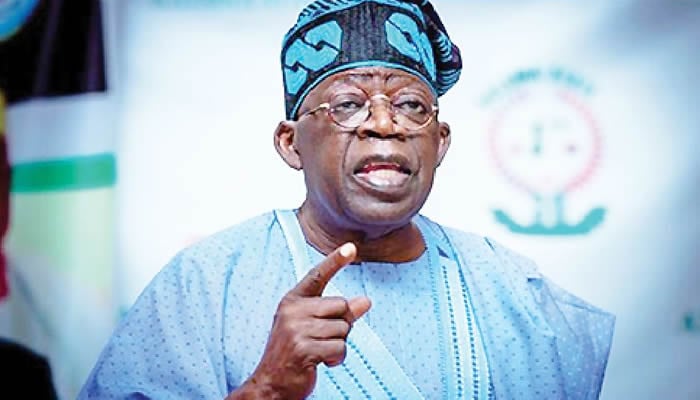
Speaking to gathered followers and reporters, Maharaj Ji stated that President Bola Tinubu deserves the backing of Nigerians, noting the current administration is, in his view, steering the nation in a positive direction. “At this stage, support is needed, not more division,” he said, responding to concerns that El-Rufai’s words might incite unrest.
Addressing El-Rufai’s warnings that Nigeria could collapse if the APC maintains power, Maharaj Ji called for more thoughtful commentary from political leaders. He said, “We must choose peace over provocation,” and challenged El-Rufai to avoid statements that could inflame political or religious differences.
The religious leader went further, asserting that El-Rufai’s approach risks deepening fault lines within both political and faith communities. Characterizing the former governor as a figure pushing outside influences and sowing discord, Maharaj Ji stated, “Africa has its own unique traditions and principles—we should not allow imported divisions to shape our destiny.”
In a striking challenge, Maharaj Ji publicly asked El-Rufai to swear on live television—with nothing but a glass of water as witness—that he never misappropriated public funds during his tenure as governor. “If his hands are truly clean, let’s watch what happens over the next four weeks,” he declared, implying that such an oath would demonstrate integrity to the Nigerian public.
El-Rufai’s Role in Nigeria’s Evolving Coalition Politics
El-Rufai remains a central figure in the growing movement to build a united opposition against President Tinubu ahead of the next presidential contest. The push for a powerful coalition has drawn major opposition heavyweights into its orbit, most notably Peter Obi—Labour Party’s candidate in 2023—and Rotimi Amaechi, the former Minister of Transportation and a past APC presidential aspirant.
Both Amaechi and Obi have expressed interest in mounting another bid for the presidency in 2027, pledging to serve only one term to counter fears, particularly in the North, of prolonged exclusion from national leadership. El-Rufai, however, has openly cast doubt on such promises, suggesting many Nigerians are skeptical of such commitments.
The coalition’s recent momentum has also pulled former President Goodluck Jonathan into speculation. As the Peoples Democratic Party (PDP) seeks to zone its ticket to Southern Nigeria, talk has intensified over Jonathan’s possible comeback bid or a renewed run by Peter Obi under the PDP banner. It’s a development that underscores not just the volatility of Nigeria’s pre-election landscape but also the diversity of strategies among those hoping to unseat the APC.

Photo Credit: @officialABAT
Source: Twitter
Jonathan’s Political Dilemma: Subtle Caution from Oshiomhole
As speculation rises about Jonathan’s possible candidacy, Senator Adams Oshiomhole, a former national chairman of the APC and influential Edo politician, weighed in with circumspect advice. Speaking during Chief Mike Oghiadomhe’s 70th birthday celebration in Benin City, Oshiomhole reportedly encouraged Jonathan to think carefully before returning to the race, suggesting that re-entering the presidential contest might not serve the former president’s legacy or Nigeria’s stability.
His remarks come amid mounting calls from senior PDP figures advocating for Jonathan’s return, in part because he could only serve a single term, which might appeal to voters tired of protracted incumbency. The debate has opened a wider conversation about political renewal and the need for generational change at the helm of Nigeria’s leadership.
With political heavyweights positioning themselves and coalitions forming, many Nigerians remain divided on the best path forward. Questions about trust, accountability, and the capacity for unity remain at the center of the national discussion, echoing similar debates across West Africa as countries struggle to balance continuity and change.
Local Perspectives and Regional Implications
For many Nigerians, particularly young voters and those in politically active regions like Lagos, Kano, and Port Harcourt, the ongoing political realignments are both cause for concern and hope. According to Lagos-based civil society advocate Tunde Adeosun, “What we need is less noise and more focus on real issues: jobs, security, and the future for our youths. The days of reckless political rhetoric must end for progress to be made.”
West African analysts also suggest that Nigeria’s experience with volatile election cycles and coalition politics may provide lessons for neighbors like Ghana, which face their own pre-election polarization. According to an editorial in Accra’s Daily Graphic, the rise in coalition talks across the region demonstrates a demand for wider participation in governance and a voter appetite for alternatives to established politicians.
Looking Ahead: What Can Nigerians Expect?
As the countdown to the 2027 elections begins, Nigerians are watching carefully to see how political rivals will chart a path that fosters unity rather than division. The challenge is not just to build effective coalitions but also to reassure the public that leaders are more interested in national welfare than personal gain. The call by voices like Satguru Maharaj Ji for honesty and restraint, along with Oshiomhole’s subtle counsel to past presidents, reflects a broadening desire for maturity and transparency in public discourse.
With coalition movements gaining ground and conversations about generational change heating up, the months ahead promise robust debate, hard questions, and an opportunity for Nigeria to demonstrate political maturity within Africa and to the world. Local and global audiences alike will be watching how these developments shape not only the next government but also the tone of public dialogue in Africa’s largest democracy.