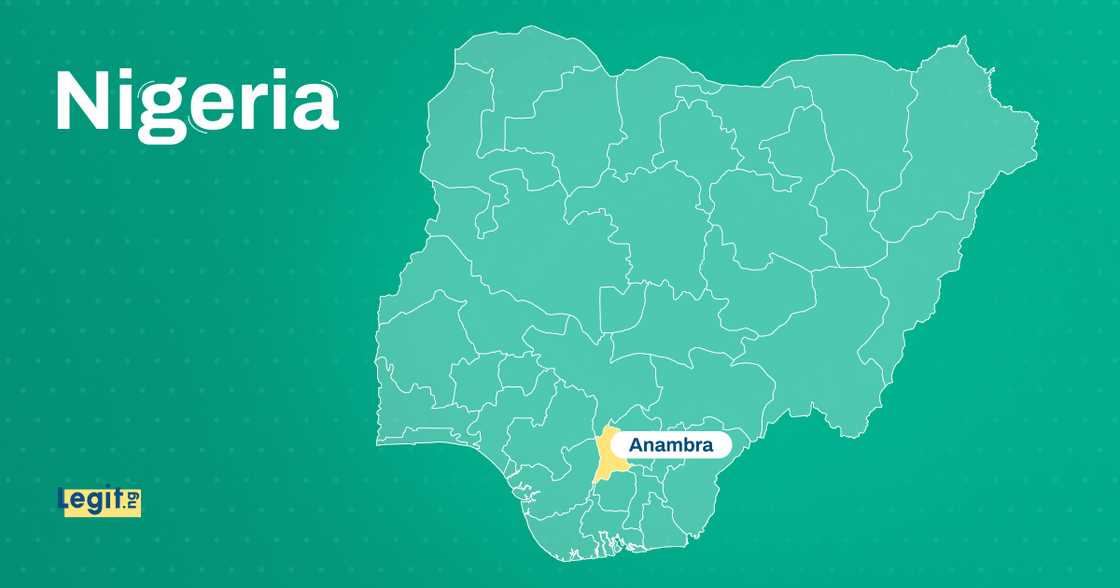


Communities across Nigeria’s South-East and North-West are facing unprecedented challenges as armed groups reportedly impose burial and security levies, further traumatizing families already coping with violence and loss. Recent reports by The Punch and testimonies from local leaders highlight the growing insecurity impacting everyday life in areas such as Lilu (Anambra State), Agwa (Imo State), Lile (Kwara State), and parts of Zamfara State.
According to Dr. Dominic Okoli, Palace Secretary of the Lilu community in Anambra State, at least 25 people have lost their lives at the hands of gunmen since 2020. He emphasized that, during the same period, over 30 homes have either been destroyed or looted, leaving numerous families displaced and in distress. These incidents reportedly span through to 2025, signaling a prolonged period of unrest that has deeply affected the region’s social fabric. Locals now refer to Lilu as “the Sambisa of South-East”—a reference that underscores the severity of insecurity, alluding to the notorious Sambisa Forest in Borno State, once a stronghold for insurgents.
“Between 2020 and 2025, over 25 people were killed and kidnapped in Lilu alone, and the primary cause is the so-called gunmen, which some call unknown gunmen. During the same period, over 30 private and public houses have been destroyed and looted. The underlying thing is that, till today, not a single person has been held accountable.”
Dr. Okoli’s comments were made during a virtual appearance at Amnesty International’s relaunch of a report into extrajudicial killings in Nigeria’s South-East, held in Ikeja, Lagos State. His remarks painted a dire picture, with claims that violence has so destabilized communities that traditional ways of life are under threat.
In Imo State’s Agwa community, similar concerns persist. Nduka Ozor, described as a respected community leader, told The Punch that gunmen have imposed harsh burial levies on grieving residents. He revealed that, in some instances, families must pay up to N500,000 to bury their loved ones — a figure that amounts to several months’ wages for many Nigerians.
Ozor further recounted personal tragedy, stating, “The assailants were responsible for the killing of my brother, our monarch, a pregnant woman, and others.” According to residents and independent observers, the community is now under a state of constant fear, as routine burial rites — once solemn family affairs — have become perilous and costly acts.
“They are not unknown gunmen; they are known members of the community, and they carried out these killings without wearing masks. They are the boys we know.
“Properties worth over N1bn were destroyed, and over 60 people were brutally killed, and you don’t even know the reason why they killed them. You can go and bury your dead relative, but you have to pay the sum of N500,000 to obtain permission.”

Source: Original
Insecurity Deepens with Rising Security Levies
The problem is not limited to funeral levies. Communities in Kwara State’s Lile area are grappling with a new form of extortion. Armed groups, identified by locals as “terrorists,” have reportedly demanded a staggering N200 million “security levy,” threatening violent reprisals if their demands are not met. Reports gathered from community stakeholders suggest that such levies strain household finances, disrupt education, and hinder local trade as residents divert resources toward survival and ransom payments.
According to community elder Dr. Sanusi Lafiagi, the group’s threats have plunged the town into uncertainty. “We have already paid several sums to these groups, yet the situation keeps escalating. People now live in constant fear, and our children can no longer go about their daily routines safely,” he lamented.
A New Twist in Zamfara: Terror Kingpin’s Demand for Gold
Meanwhile, insecurity in Zamfara State has reportedly escalated with a notorious bandit, identified as Sani Black, allegedly ordering four local communities to pay 150 kilogrammes of pure gold as a “protection levy.” Local reports estimate the market value of this demand at several hundred million naira. According to grassroots sources quoted on Saturday, August 2, residents are being forced to organize collective efforts, hoping to gather enough gold to avoid further attacks.
“It’s an impossible demand for most families,” said Musa Bello, a farmer from one of the affected communities. “Our livelihoods are under threat, and even those who have never dealt with gold are now expected to contribute.” He added that young people, already struggling with high unemployment, now face the additional burden of insecurity — further compounding challenges in one of Nigeria’s most economically disadvantaged regions.
Community Voices: Impact, Resilience, and Fears
Experts say that the ongoing imposition of illegal levies by armed groups in Nigeria reflects a deeper breakdown in security mechanisms at local and state levels. According to Lagos-based security analyst Amaka Nwosu, “When criminal organizations operate unchecked and impose taxes, it signals an erosion of state authority and places an enormous burden on already vulnerable populations.” She added that such insecurity is not unique to Nigeria, citing similar patterns in parts of northern Mali and the Central African Republic, but warned that the regional economic impact of these levies can cripple growth and development.
The human impact is profound. Bereaved families, struggling to pay for burials and other human rites, are being pushed to the limits, often resorting to selling property, borrowing money, or turning to relatives abroad for support. Social workers and local NGOs report increased cases of trauma and displacement as traditional community support systems weaken under pressure. In Imo State, some churches have reportedly set up relief funds to assist those unable to meet gunmen’s demands, but these efforts are insufficient against the growing scale of the crisis.
National and Regional Response: Challenges and Debates
While Nigerian security agencies—such as the Nigeria Police Force and the Nigerian Army—have made several pronouncements promising action, residents claim that response times and visible results remain limited, especially in hard-to-reach rural areas. The Nigerian government continues to pledge additional resources to combatting rural and urban banditry, but as Dr. Okoli argues, “Until communities themselves are empowered and state institutions can assert control, such practices might persist, and people will continue to suffer.”
Regional collaboration is also being discussed. Both Nigerian and West African policy-makers have begun exploring cross-border strategies to address criminal networks that operate between Nigeria, Niger, and Mali. Some analysts suggest this broader approach is needed, as many armed groups transit porous international boundaries, complicating law enforcement and rescue efforts.
Comparative Context and International Perspective
Extortionate levies by non-state actors are not unique to Nigeria, but experts say the phenomena in Zamfara, Kwara, Anambra, and Imo have distinctive implications. In other African countries, such as the Democratic Republic of Congo, similar patterns are observed in regions with weak governmental oversight. International organizations, including the United Nations and Amnesty International, have called for increased investment in grassroots peacebuilding, disaster recovery, and security reforms—measures identified as essential for stemming the tide of non-state violence. See further analysis in Amnesty International’s latest reports for context and recommendations.
Despite these daunting challenges, local communities continue to seek creative ways to cope and resist, including forming neighborhood watch groups, advocating for state intervention, and reaching out for international support. Daily realities, however, remain fraught with risk, and residents demand urgent, concrete action from both local and federal authorities.
As the security climate remains fragile, questions about justice, governance, and community resilience come sharply into focus. Many are left to wonder: when will families be able to mourn in peace, and what can citizens do to push for lasting change?
How do you think communities can better support each other in times of insecurity, and what measures do you believe government and security agencies should prioritize right now? Share your perspectives in the comments below and don’t forget to follow us for ongoing coverage of this and other critical issues facing Nigeria and Africa.
For general support or to submit news tips, contact [email protected].
Stay updated on this topic and more—join our growing community! Follow us on Facebook, X (Twitter), and Instagram. Your voice matters—let’s make a difference together!