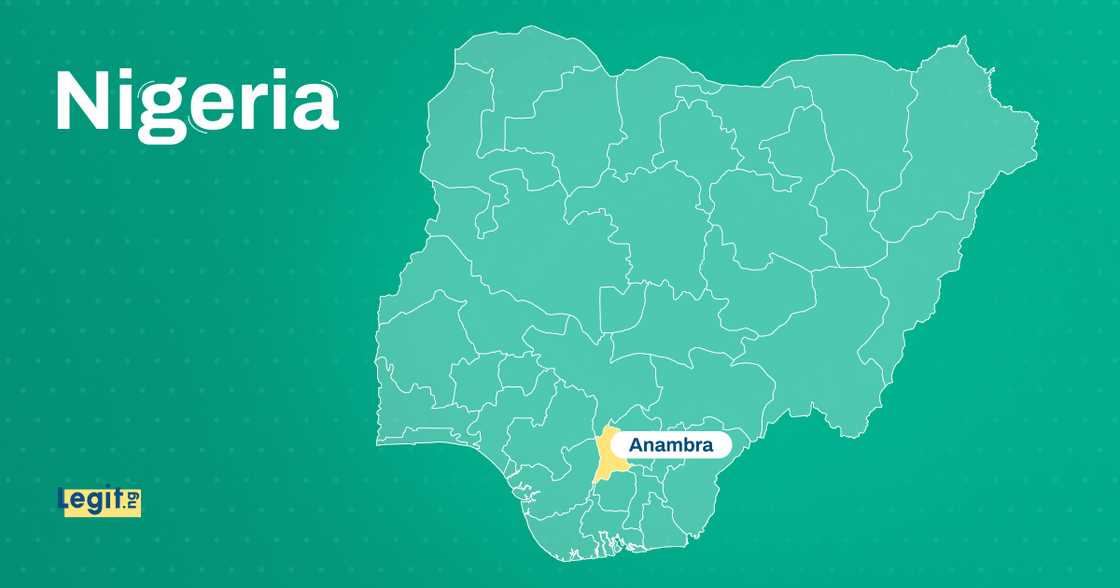


A recent surge in violence shook Egbe community, located in the Yagba West Local Government Area of Kogi State, following a tragic attack reportedly orchestrated by bandits. The incident, which led to the loss of several lives—including Nigeria Police Force officers and Vigilante Service members—has prompted widespread outcry, sparking renewed calls for security reform and local vigilance across Nigeria and the West African region.
Governor Alhaji Ahmed Usman Ododo, addressing the situation, expressed deep mourning for the lives lost and described the attack as a grave violation of peace and humanity in Kogi State. According to a statement from the Deputy Governor’s Press Secretary, Unubi Emmanuel, Governor Ododo stated, “We will not rest until those responsible for this senseless violence are identified, apprehended, and prosecuted to the fullest extent of the law.” He further commended the gallant officers and vigilante members who lost their lives defending their community, emphasizing that their ultimate sacrifice would not be forgotten or allowed to be in vain.
Intensifying Security Across Kogi State
The governor pledged to bolster coordination with security agencies, citing plans for increased collaboration among law enforcement, improved community policing, and enhanced resources for the local vigilante services. “Our administration stands firm in supporting every initiative that strengthens security at the grassroots. We are committed to ensuring peace and safety in all corners of the state,” Ododo announced. He urged citizens to remain vigilant and proactive in collaborating with authorities by reporting suspicious activity promptly—a crucial measure to prevent future attacks and destabilization.
Governor Ododo conveyed heartfelt condolences to the families affected by the tragedy, assuring them that the government would provide necessary support and not abandon the dependents of those lost in the line of duty. He emphasized that swift and coordinated responses by security personnel and local vigilantes had prevented further casualties, and lauded their commitment to maintaining peace despite challenging circumstances.
Community Resilience in the Face of Adversity
In a bid to reinforce collective resilience, the governor called on Egbe residents—and indeed all Kogi indigenes—not to succumb to fear. “This criminal act will not break our spirit. We must remain united, cooperative, and unwavering in the defense of our communities,” he affirmed, adding prayers for the fallen heroes, solace for their families, and enduring peace in Kogi State.
During the official visit, Hon. Tosin Olokun, Chairman of Yagba West LGA, extended gratitude for the governor’s empathy and physical presence amidst the crisis. He remarked, “A truly dedicated government stands with its people during such trials—your visit is not just a sign of leadership, but of genuine care and solidarity.”
Security Challenges in Border Communities
Retired Commander Jerry Omodara, State Security Adviser, provided further insight during the event. He outlined concrete measures taken by the state government to safeguard border towns—a persistent flashpoint for bandit activity, particularly as criminal groups relocate from neighboring states. According to Omodara, “Our security team has mapped out identified hideouts, and with collaboration from the Federal Government and National Security Adviser’s office, we are intercepting and neutralizing these elements.” He stressed that Egbe would not fall; peace must return, enabling residents to live and farm without fear.
Commander Omodara also announced plans to establish a Forward Operation Base (FOB) in Egbe as part of a long-term countermeasure. He issued a stern warning to any local allies or saboteurs who might aid criminal activities, affirming that the government would act decisively against them.
Voices from Local Leadership and Youth
His Royal Highness, Oba Ayodele Irukera, the Elegbe of Egbe, used the occasion to highlight the ongoing vulnerability of border communities. According to the monarch, increased attacks underscore the urgent need for more permanent and visible security presence. Addressing recent youth-led protests—which briefly blocked a major road—he apologized for the disruption, explaining that such actions resulted from deep-seated frustration over perceived neglect. “It is inhuman for five people to be killed in a single day,” the royal father observed, urging authorities to act swiftly to restore faith in public security.
Engr. Olugbenga David, representing local youth, appealed to the government to involve young people in security planning and operations. He advocated for the deployment of additional personnel and introduction of well-trained forest guards, noting that community-based intelligence remains a critical asset in detecting and foiling attacks. “Youths are ready to support, but we need more opportunities and trust from the authorities,” he stated, echoing concerns that are common across rural West African communities facing insecurity and cross-border threats.
Regional Trends and Comparative Insights
Kogi State’s recent troubles are indicative of a broader challenge facing many Nigerian and West African border regions. According to reports from the Centre for Democracy and Development (CDD), banditry in the North-Central region has intensified as criminals are pushed out of other hotspots, creating a “spillage effect” into states like Kogi, Niger, and parts of Kwara. The porous nature of Nigeria’s borders with neighboring countries heightens the risk, as weapon inflows and militia movements complicate local law enforcement.
Comparatively, neighboring Ghana has also undertaken community-based security initiatives in the northern corridor, though on a less violent scale. Experts recommend robust inter-governmental security agreements, enhanced technology surveillance, and socioeconomic programs to reduce both the motives for, and success of, rural banditry. “Long-term solutions must target both the supply of arms and root causes of desperation—especially youth unemployment in border areas,” notes Dr. Amaka Ugo, a security analyst based in Abuja.
Policy Challenges and Next Steps
While the Kogi State government’s response—through immediate visits, condolence outreach, and pledges of fresh investment in security—is encouraging, experts caution that deeper reforms will be crucial. Local implementation often faces bottlenecks, such as delays in funding, insufficient oversight, and gaps in community engagement. Critics have called for constant monitoring of funds earmarked for security and better transparency in policing contracts, as outlined in recent recommendations by the Socio-Economic Rights and Accountability Project (SERAP).
There is also the question of sustainability: will the Forward Operation Base and increased patrols continue long enough to make a difference, or will donor fatigue and bureaucratic inertia undermine such efforts? Only time, and consistent grassroots feedback, will tell.
A Path Forward for Egbe and Kogi State
With the governor’s assurance, reinforced by local leadership and youth voices, Kogi’s battered communities look to a future in which collaboration, resilience, and reform can restore confidence. The government’s message is clear: communal vigilance, rapid information sharing, and unrelenting pursuit of justice are the keys to turning the tide on rural violence.
As Egbe works to heal from its latest tragedy, the lessons could prove useful not only for Kogi State but also for other regions grappling with the cross-border and internal security crisis that has affected much of West Africa. The story underscores the universality of the struggle for safety, justice, and the right to live without fear—key issues that resonate across Nigeria, Ghana, and beyond.
What steps do you believe will most effectively strengthen security and restore peace in vulnerable border communities like Egbe? Share your perspective below—your voice is vital.
For general support, contact us at [email protected].
Follow us for the latest news updates and community stories on Facebook, X (Twitter), and Instagram.
What’s your view? Drop a comment and join the conversation—your insight matters!