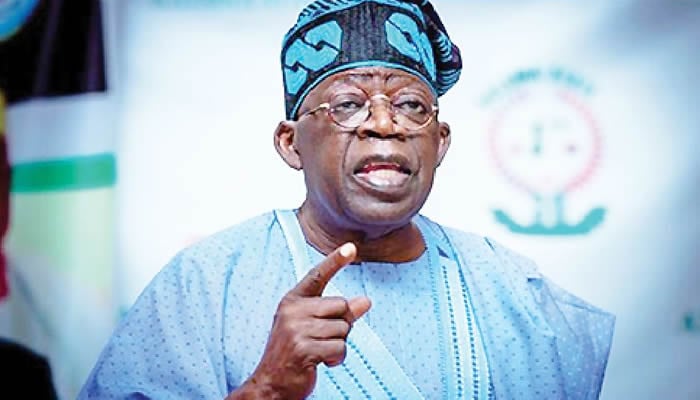


Tension is brewing in Ghana as the government puts Multichoice’s DStv service on notice over its subscription pricing. Accusing the company of ignoring repeated requests for fair and affordable rates, Ghana’s Minister for Communication, Digital Technology, and Innovation, Samuel Nartey George, has signaled a possible regulatory shutdown of DStv services in the country if a resolution is not reached.
This escalating standoff has sparked widespread debate across West Africa, especially in Nigeria where millions also rely on DStv for news, sports, and entertainment. Many are watching the situation closely to see whether regulatory intervention in Ghana could inspire similar discussions elsewhere on the continent about the cost of pay-TV services.
Why Is Ghana Threatening to Shut Down DStv?
According to statements issued on June 7, 2025, by the Minister on his official X (formerly Twitter) handle, DStv’s management allegedly failed to engage in genuine dialogue on lowering subscription fees, which he views as a disregard for the economic realities facing many Ghanaians. Minister George’s stance is clear: “I have no intention to continue tolerating the disrespect to Ghanaians by DStv,” he asserted in a public statement.
He further warned that unless MultiChoice, DStv’s parent company, returns to the negotiation table ready to make concessions, the National Communications Authority (NCA) would execute regulatory actions, up to and including a service shutdown. The Minister added, “No company is above the law…when MultiChoice is ready to discuss price reduction, they can come to the negotiation table.”
MultiChoice’s Response and Ongoing Disagreement
In response, MultiChoice Group released a statement recognizing the government’s concerns but clarifying that it had not agreed to reduce prices as yet. “We continue to engage with the Minister in a bid to find an amicable solution that is beneficial for all parties…but does not jeopardise the viability of the DStv service,” the statement emphasized.
The company underscored its intent to participate in a Working Committee set up to address the dispute. However, the operator maintained that any dramatic price reduction could threaten its business sustainability, given local operating costs, foreign currency exchange rates, and the costs of acquiring exclusive broadcast rights.
Local Voices: Ghanaians and Nigerians Weigh In
Reactions have poured in from both sides of the divide. Ghanaian social media users—many of whom voiced frustration over DStv’s pricing—welcomed the Minister’s bold approach. According to Accra resident Nana Kwame, “Subscription costs have gone up so many times. Some of us can barely keep up. Something needs to change.”
Others cautioned that a complete shutdown could disrupt access to essential news, live sports, and family entertainment. “For a lot of families, DStv is the main source of information and relaxation, especially during major events like the AFCON or EPL matches,” noted Kofi Asare, a student at the University of Ghana.
Nigerians, who face similar challenges, have also joined the conversation. Lagos-based analyst Olufunke Akande observed, “If Ghana succeeds in pushing for lower DStv prices, that could set a precedent for regulators across West Africa. But service providers need to be financially viable as well—there must be a balance.”
The Broader Context: Pay-TV Costs in West Africa
Pay-TV services like DStv have become household staples from Lagos to Accra—and rising costs have occasionally sparked public outcry. Most price hikes are attributed to inflation, weakened local currencies, or the rising cost of acquiring premium content such as international football, reality shows, and blockbuster movies. In Nigeria, for example, DStv has faced multiple confrontations with consumer protection agencies and lawmakers in recent years over subscription rates.
- In 2024, the Federal Competition and Consumer Protection Commission (FCCPC) in Nigeria reportedly directed pay-TV operators to offer price flexibility and more transparency to subscribers.
- In Ghana, consumer associations have long lobbied for improved pricing, especially during tough economic times.
Despite these interventions, pay-TV operators argue that the business is capital intensive and subject to international costs not always controllable from Africa.
Legal and Regulatory Insights: Who Sets the Rules?
Ghana’s legal framework allows sector regulators considerable power to protect consumers. According to legal expert and technology policy advisor, Mensah Owusu, “Service providers must comply with the rules set out by the National Communications Authority. If there is non-compliance or perceived consumer exploitation, regulators can demand corrective action, including license suspension.” However, he noted that such action is “typically a last resort, after all negotiation channels are exhausted.”
It is rare for a pay-TV service to be shut down entirely; previous disputes have generally resulted in negotiated settlements and incremental changes to pricing models or service terms.
Comparative Examples from Across Africa
Similar confrontations have taken place in other African markets. In 2020, South Africa’s Competition Commission required MultiChoice to open up some sports content to rival platforms, while Zambia’s authorities urged pay-TV operators to introduce flexible packages. In all cases, a common theme emerges—balancing fair consumer access with the realities of running a profitable broadcasting business.
What’s Next for DStv in Ghana and Beyond?
As of the publication of this article, dialogue between Ghana’s Communications Ministry and MultiChoice remains ongoing, though the government insists it will not back down from enforcing local laws. Both parties claim to be open to continued engagement, but the risk of temporary disruption persists if a resolution is not reached soon.
In the broader context, the standoff in Ghana highlights a growing trend in Africa—governments, consumers, and regulators are increasingly demanding transparency and fairness from tech and media companies operating in the region.
Will Nigeria Follow Ghana’s Example?
Nigeria, with its larger DStv user base, is watching events in Ghana closely. Lawmakers and consumer groups have occasionally called for regulatory intervention to address perennial complaints about rising prices and alleged inflexibility in subscription options.
Some experts say Ghana’s bold approach could set a regional trend—provided enforcement is balanced with the need to attract private investment and innovation in the media sector.
Conclusion: Toward Fairer Digital Access in West Africa
The situation between Ghana’s government and MultiChoice speaks to critical questions facing African consumers: What is a fair price for essential digital services? How can governments protect citizen interests while maintaining a healthy investment climate?
For now, viewers across West Africa await the outcome, hopeful for a solution that delivers affordable access without compromising quality or innovation.
What’s your perspective on pay-TV prices in Nigeria and across Africa? Do you support stronger government intervention, or do you believe market forces should set prices? Share your thoughts in the comments and follow us for the latest updates on this and other stories affecting digital life in West Africa.
Have an insider tip or story related to DStv, pay-TV, or digital services in Africa? We want to hear from you! Email us at [email protected] to share your experience or get your story featured. For general support, reach out to [email protected].
Connect with our community on Facebook, X (Twitter), and Instagram for more news, opinions, and behind-the-scenes updates! Your views shape the conversation—join in today!