

The passing of legendary Ghanaian Highlife musician Daddy Lumba has been met with deep reflection and profound emotion across West Africa. For many, including US-based Ghanaian media figure and philanthropist Naana Donkor Arthur, the news marked the end of an era in contemporary African music. In an emotional and honest podcast, Naana provided new insights into her personal response to the news, highlighting how the loss of Daddy Lumba, real name Charles Kwadwo Fosu, has resonated not just in Ghana, but also among music lovers in Nigeria, West Africa, and beyond.
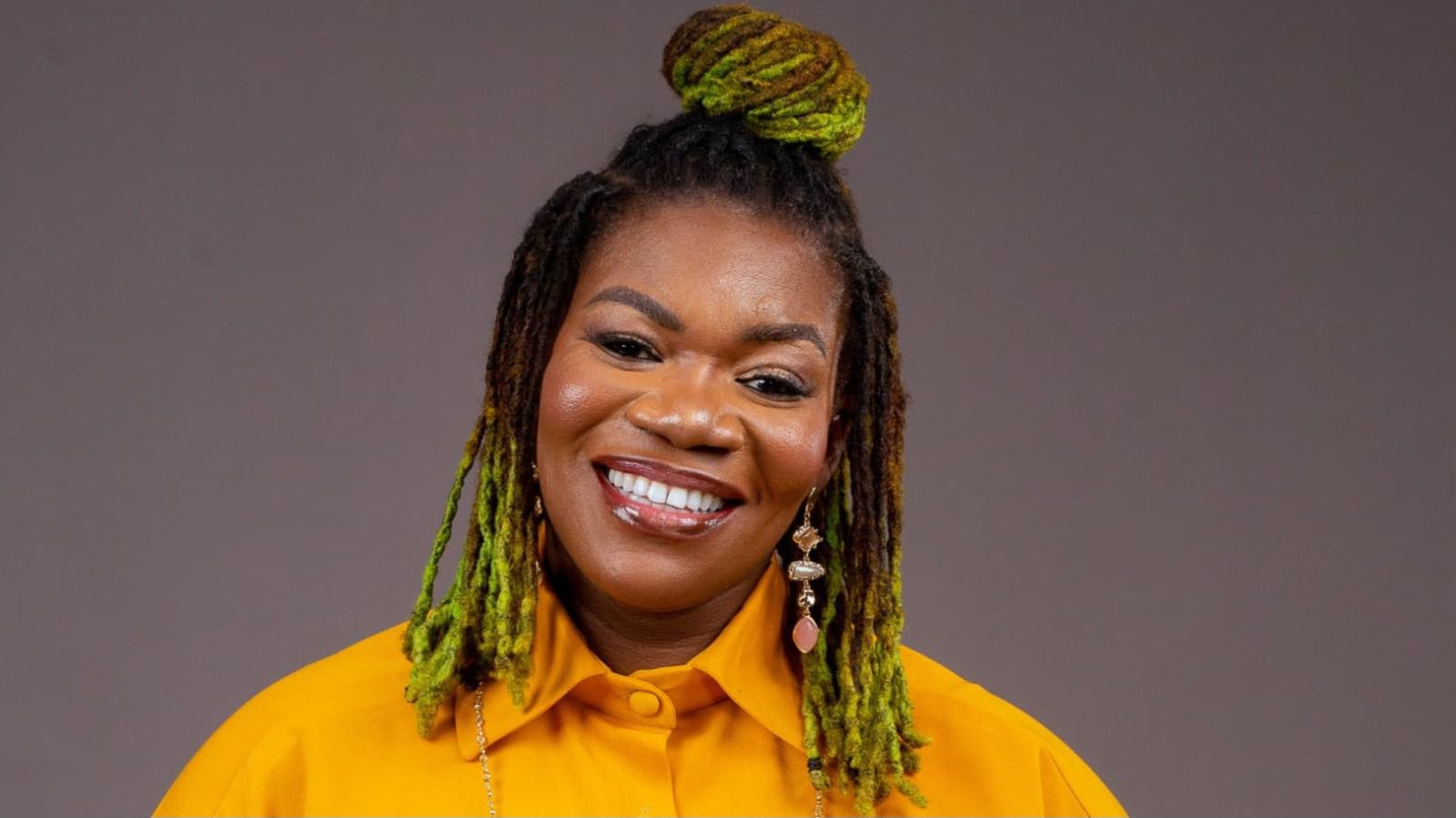
Naana Donkor Arthur’s story is particularly significant because of her dual role as a cultural bridge between Ghana, Nigeria, and the diaspora community in the United States. According to Naana, she recently received a message from a close friend asking about her reaction to Daddy Lumba’s demise, underscoring how closely knit the network of West African music enthusiasts remains, even across borders.
Honestly, I am still in denial. I just can’t believe Lumba is gone. I’ve been at a loss for words even in the weeks leading up to his passing.”
Reflecting in her podcast, Naana shared that the reality of Daddy Lumba’s passing felt surreal. She stated, “For now, it almost doesn’t seem real. I think it will truly sink in for me the day I see his body being taken to the cemetery.” This sentiment speaks volumes, echoing the reactions of countless fans who are finding it difficult to believe that one of Ghana’s most influential musicians is no longer with us.
I want to speak to his family, just to confirm once more that he is truly gone. It’s hard to accept that someone who gave us so much joy with his music is no longer here.
Naana further described her emotional journey—one filled with disbelief and moments of acceptance. She commented, “Sometimes I just brush it off, thinking it can’t be true. Other times, the sadness hits me hard.” This range of emotions reflects a collective mourning process that has rippled through the music-loving public, many still grappling with the reality of saying goodbye to an artist whose work spanned decades and influenced generations.
Daddy Lumba’s career has been marked not just by his music, but also by persistent rumors and hoaxes regarding his well-being. In 2020, for instance, unverified reports of his demise circulated widely on social media—a phenomenon that many African celebrities have experienced. According to analysts on Pulse Ghana and regional entertainment outlets, this pattern of premature obituaries can create confusion and emotional turmoil among both family and fans.
I received countless calls from fans urging me to go live and confirm the news. I reached out to his management, and thankfully, he was alive. So when I first heard about his passing this time, I dismissed it immediately.
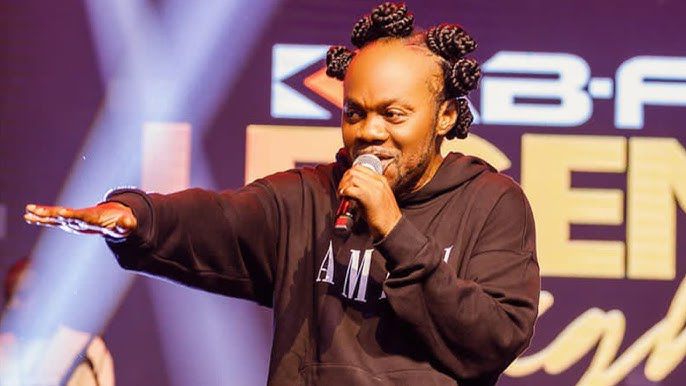
Reports gathered from multiple credible sources, including family representatives who spoke to Joy News Ghana, confirm that Charles Kwadwo Fosu, widely known as Daddy Lumba, passed away during the early hours of Saturday, July 26, 2025. He was receiving treatment at the Bank Hospital in Accra for a condition described by insiders as an “undisclosed illness.” Family sources, cited by Citi Newsroom, say he had been admitted several days prior and passed at dawn. No official medical details have been released to the public.
As news of his passing spread across the continent through digital platforms, fans and sympathisers wasted no time gathering at his residence in East Legon, Accra. According to on-the-ground journalists from GhanaWeb, hundreds assembled to pay respects, many visibly emotional as they marked the loss of a musical giant. For many in Nigeria—where Highlife music remains popular and artists like Daddy Lumba have inspired new generations—the news prompted both tributes and reflection on the pan-African influence of Ghanaian music.
On Saturday, August 30, a One Week observance for the late musician was organised in Accra. This traditional Ghanaian event, akin to remembrance services in Nigeria and other parts of Africa, offered family, colleagues, and fans the opportunity to gather, commemorate his achievements, and celebrate his impact on African music culture.
Daddy Lumba’s Impact on West African Music and Culture
Daddy Lumba’s unique sound, blending elements of Highlife, Afrobeat, and modern pop, broke musical boundaries and helped define a generation. His tracks such as “Aben Woha” and “Yentie Obiaa” remain well-loved not just in Ghana but across West African countries, especially among Nigerian Highlife enthusiasts and cultural historians.
Music analysts in Nigeria have long acknowledged the close ties between Ghanaian and Nigerian musical trends. According to DJ Jimmy Jatt, a veteran Lagos-based DJ, “Daddy Lumba’s influence on Nigerian artists is immense. His style, storytelling, and blend of traditional with contemporary sounds bridged cultural gaps and created new musical possibilities.”
- Daddy Lumba began his professional career in the 1980s and recorded over 30 albums throughout his lifetime.
- He collaborated with influential artists across West Africa, including Nigerian musicians.
- His lyrics often fused social commentary with personal narrative, allowing his music to remain timely and relatable.
- He won several major music awards in Ghana and was a recipient of the Grand Medal for his services to Ghanaian music.
West African and Nigerian Reactions
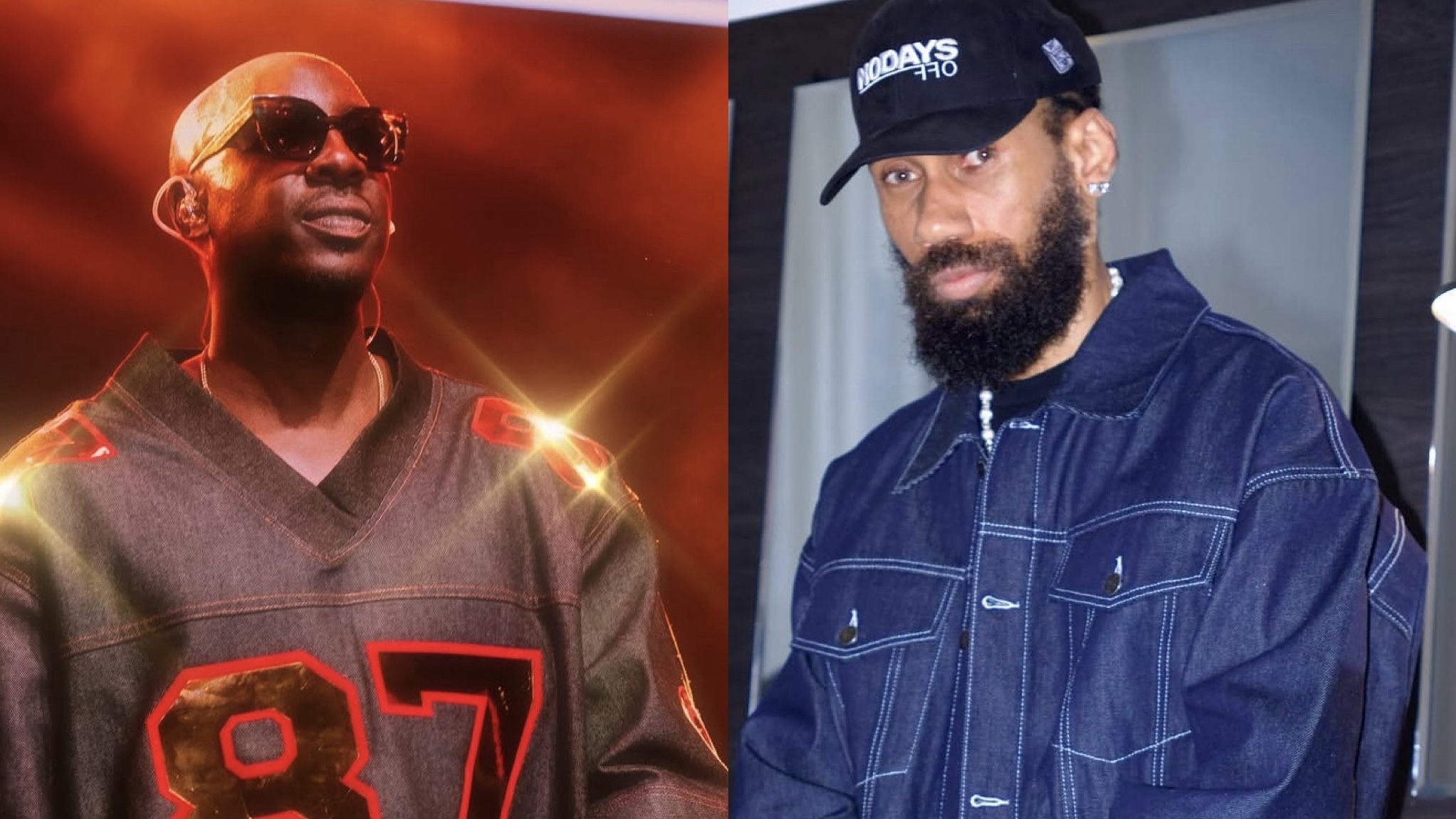
So far, tributes have poured in from all corners of West Africa. Nigerian celebrities, including Flavour and Phyno, have posted condolences on social media, noting the important cross-cultural musical exchanges that Daddy Lumba fostered. Afrobeat and Highlife fans in Nigeria described the news as “a significant loss for African music history.”
Meanwhile, in Ghana, commentators and cultural experts highlighted the need to recognize and support legendary musicians. Dr. A. Mensah, a Ghanaian music historian, told ModernGhana, “Daddy Lumba represents resilience in the face of adversity. Even after battling health challenges, he continued to release music that touched millions.”
However, not all reactions were uncritical. Some commentators noted the persistent issues facing older musicians in Africa, such as limited healthcare support and little public recognition until after their passing. According to Lagos-based music blogger Oluwaseun Adedeji, countries like Nigeria and Ghana must do more to celebrate their artists while they are still alive.
Daddy Lumba’s Enduring Legacy for Global Audiences
The influence of Daddy Lumba transcends West Africa, with his songs streamed and covered by young musicians worldwide. There are ongoing discussions about how to best honour his legacy, with suggestions ranging from posthumous awards, music scholarship funds in his name, to annual concerts celebrating Highlife music across the continent.
His family and supporters have encouraged fans to continue sharing his music, emphasizing the importance of preserving cultural heritage in a digital era. According to reports in The Guardian Nigeria, plans are underway for additional memorial events in both Ghana and within diaspora communities—including Nigerian cities like Lagos and Abuja, where Highlife has a dedicated following.
Reflecting on Loss, Celebrating Life: Why Daddy Lumba’s Story Resonates Across Africa
The passing of Daddy Lumba has spotlighted both the emotional impact of losing a beloved cultural icon and the connections that unite West Africans through music. Stories like Naana Donkor Arthur’s offer a deeply personal window into how loss is processed: with disbelief, grief, eventual acceptance, and sometimes joy in remembering a life well lived.
For many Nigerians and Ghanaians, Daddy Lumba’s music has been a part of family celebrations, social commentary, and even political movements—his influence visible in everything from wedding playlists to protest rallies. As the continent continues to grapple with issues of artist recognition, social support, and preservation of musical heritage, the story of Daddy Lumba serves as a reminder of how one individual can shape the cultural identity of an entire region.
What does Daddy Lumba’s influence mean to you personally? Do you think West African countries are doing enough to honour their music legends in their lifetimes? Share your views below—your feedback helps shape the future of African cultural heritage.
Food inquiries: [email protected]
General support: [email protected]
Story sales/submissions: [email protected]
Follow us on Facebook
Follow us on X (Twitter)
Follow us on Instagram