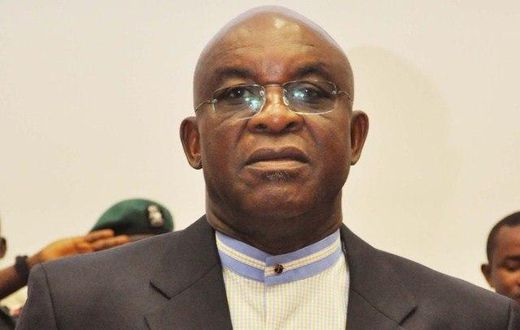


The future of Ghana’s electricity distribution took center stage during a recent parliamentary hearing, as John Jinapor, the minister-designate for Energy and Green Transition, threw his weight behind proposals for greater private sector participation in the Electricity Company of Ghana (ECG). Jinapor, whose nomination is viewed with keen interest across West Africa due to Ghana’s energy sector challenges, argued that private partnerships could help drive efficiency, cut operational losses, and bring improved service to both homes and businesses. However, he made clear that any such initiative must be protected from political interference to succeed—a sentiment echoed by energy stakeholders across the continent.
Appearing before the Appointments Committee of Parliament on Monday, 13th January, Jinapor outlined his vision for a more professionally managed ECG. He stressed that lessons from previous attempts at privatisation—both within Ghana and from neighbouring countries—highlight the critical importance of transparency, expert oversight, and strict regulatory frameworks. In his remarks, Jinapor proposed establishing a special committee tasked with designing a comprehensive framework on ECG’s future, aiming for an approach rooted in best industry practices and reflecting the needs of the Ghanaian and West African public.
What we intend to do is to form a seven-member committee chaired by experts in technical, legal, and financial aspects, as well as industry players and even a representative from the consumer side. What we want them to do is to develop a framework based on best practices. Would the concession approach work, or would full privatisation work? We will stay off as politicians.

ECG warns of power outages
Jinapor took the opportunity to clarify the need for a measurable, accountable approach to ECG reform. According to him, “transparent procedures and engagement with technical experts are non-negotiable” for any restructuring efforts. Many industry observers, including energy analysts in both Accra and Lagos, point to the power sector’s centrality for economic development across West Africa—a region that continues to grapple with unreliable supply and mounting debt in state-run utilities.
Let them create the framework in a more transparent, open, and frank manner. Once we secure the buy-in of Ghanaians, we can set the standards using an RFP and a competitive tender process. Let me make this clear: when it comes to ECG private sector participation, it must involve a competitive tender process with local content inclusion. We will establish KPIs to ensure progress and maintain clarity in our intentions.
On the same day, Ghana’s President John Dramani Mahama publicly reaffirmed his openness to ECG privatisation, citing its longstanding issues with revenue collection and widespread energy losses. During a meeting with representatives of Ghana’s Independent Power Producers, Mahama referred to ECG as the “sick man of the power sector,” acknowledging that inefficiency at the utility has dragged down the performance of the entire national grid. The president’s remarks point to the rising urgency of power sector reform—a concern shared by policymakers and business leaders from Lagos to Abidjan.
President Mahama pledged a renewed focus on overhauling the energy sector, vowing to implement reforms aimed at addressing the persistent challenges facing the ECG. From unreliable supply that frustrates families and businesses, to decades-old infrastructure needing urgent upgrade, the problems are complex and multifaceted.
Why Does This Matter for Nigeria and the Region?
For Nigerian readers—where challenges with the National Electric Power Authority (NEPA) and its successor bodies remain all too familiar—Ghana’s move to involve the private sector in national grid operations strikes a familiar chord. Nigeria’s own power sector reform, which included unbundling and partial privatisation in 2013, has yielded a mixed bag of results: increasing investment in some areas, but less success in others, notably in transmission and billing inefficiencies. The debate over balancing state oversight and private expertise is pertinent across West Africa, where millions still lack reliable access to power.
The African Context: Learning from Neighbours
Experts note that several African countries—from Côte d’Ivoire to Kenya—have embarked on partial or full privatisation in their electricity sectors. While Côte d’Ivoire’s Compagnie Ivoirienne d’Electricité is regularly shown as a relatively successful model of public-private partnership, others have stumbled due to inadequate regulatory capacity or political meddling.
- In Nigeria, customers still regularly complain about estimated billing and erratic supply, despite privatisation.
- Ghana’s earlier Millennium Development Authority (MiDA) Power Compact experiment with private management of ECG was suspended due to disagreements over contractual terms and policy uncertainty.
- Many analysts stress that accountability, open bidding processes, and protection from undue political interference are non-negotiable for successful reforms.
According to Dr. James Ojo, a Lagos-based energy policy consultant, “Reform isn’t just about selling assets; it’s about how contracts are structured, who gets oversight, and how government balances risk and reward with private operators. If done right, it can unlock investments and improve service. If not, customers pay the price.”
The Social and Economic Stakes
For everyday citizens in both Ghana and Nigeria, unreliable or expensive power is more than an inconvenience. Small business owners, from barbershops in Accra to cybercafés in Lagos, say that power supply is often the deciding factor in whether they can turn a profit. Students and teachers complain of disrupted learning, while hospitals struggle to run essential equipment during blackouts.
According to the World Bank, sub-Saharan Africa loses an estimated 2-4% of GDP annually due to power outages and poor electricity infrastructure. The broader impact includes job losses, reduced investment, and social frustration, sparking calls for policy solutions that prioritize long-term infrastructure planning, new financing models, and robust citizen engagement.
Perspectives from the Ground
Emmanuel Mensah, a tech entrepreneur in Accra, told our reporter, “Any improvement in reliability and customer service will make a massive difference to small businesses like mine. We just want clarity and fairness, whether it’s from government or a private company.” Meanwhile, a Nigerian trader based in Ibadan added, “We’ve watched similar changes in Nigeria, with both hope and skepticism. Ghana’s experience might offer useful lessons for us all.”
On the policy side, there are some who worry about tariff hikes or job losses that sometimes accompany privatisation. However, others—including some staff within ECG—acknowledge that business-as-usual is unsustainable, and that reforms must come with strong protections for consumers and workers alike.
Looking Ahead: Can Reform Deliver Results?
As Ghana moves closer to energy sector reforms, questions remain about how far and how fast privatisation should go. The balance of state ownership, private management, regulatory oversight, and citizen rights is delicate. Both supporters and skeptics agree on the importance of learning from best practices—not only from within West Africa, but also from countries further afield, like South Africa and India, which have experimented with a variety of models.
The coming months will reveal whether Ghana can chart a course that avoids past pitfalls and delivers real gains for ordinary citizens. As regional integration deepens—with ongoing plans for interconnected West African power pools—the stakes for getting power sector reform right have never been higher.
Have Your Say
With electricity reforms on the horizon in Ghana and region-wide efforts to improve supply, what changes do you want to see in your own community? Do you think more private sector participation could finally fix chronic electricity issues, or should governments retain tighter control? How do you think Nigeria and other West African countries can best learn from Ghana’s experience?
Drop your comments below and join the conversation—your voice matters as the future of West African power is shaped!