

On January 2, 2024, Kantamanto Market—long recognized as one of Ghana’s largest and busiest trading hubs—was rocked by a catastrophic fire that swept through the heart of Accra’s Central Business District. According to eyewitness accounts and local news reports, hundreds of stalls went up in flames, devastating the livelihoods of countless traders, with many losing all their wares and savings in a single night. The Kantamanto incident is a somber reminder for urban centers across West Africa, including Nigeria’s own major markets like Lagos’ Balogun or Onitsha, of the vulnerability facing informal traders and micro-business owners who form the economic backbone of so many African cities.
In the aftermath of this heartbreaking event, the strength of community and concerted humanitarian response has been spotlighted. Across Ghana and the continent, influential personalities from the entertainment industry, business sphere, and politics have stepped in to extend both financial and emotional support. For both Ghanaians and Nigerians, such acts highlight the vital role played by public figures in empowering communities during crises, and they resonate with audiences familiar with the challenges of informal commerce, uninsured losses, and the daily hustle.
Wendy Shay
Wendy Shay, a top Ghanaian music star and philanthropist, was one of the first to publicly respond. Affectionately known for her Afrobeats chart-toppers across West Africa, Wendy made headlines after she visited Kantamanto Market to directly connect with affected traders.
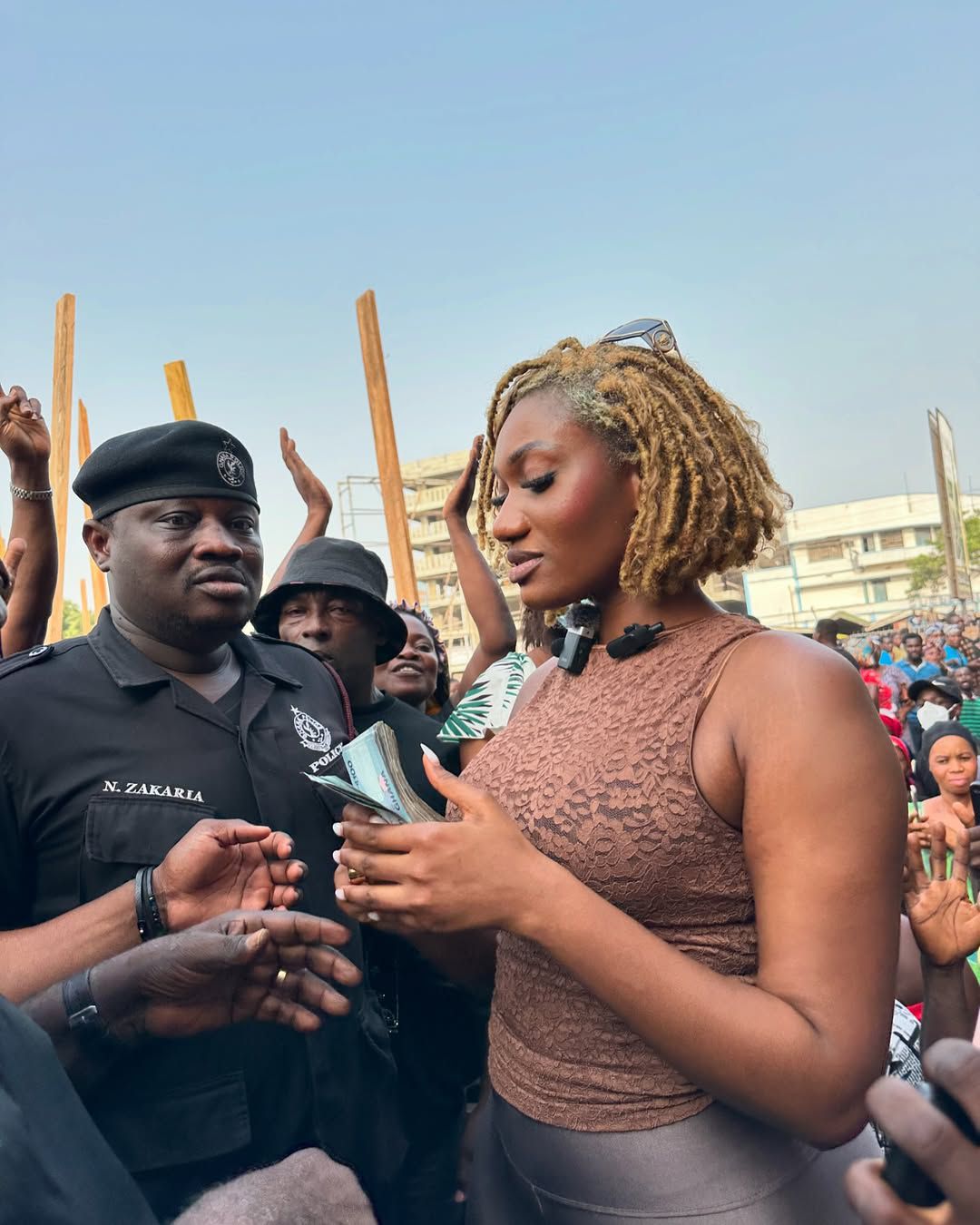
In a heartfelt gesture reported by Pulse Ghana, Wendy donated 10,000 Ghanaian cedis to survivors to help ease the overwhelming financial loss and encourage the market women (often called “market mamas”) to rebuild their source of income. “It’s important for us as artists to give back, especially in moments like this,” she said during her visit, emphasizing the need for solidarity beyond music and entertainment. This move was lauded by both fans and fellow entertainers in Nigeria and Ghana, shining a light on the positive impact celebrities can have off-stage.
Stanley Mensah Kodia
Next to lend his support was Stanley Mensah Kodia, widely known in business circles as KOD. Alongside his brother Salim, Kodia provided a substantial donation of 100,000 cedis, reaffirming the sense of corporate responsibility viewed as essential in both Ghanaian and Nigerian entrepreneurial culture. According to business analyst Tunde Adedeji, “Philanthropy from business elites is not just about charity; it helps stabilize local economies when formal safety nets are lacking.” Kodia’s action, widely covered by regional media, is a reminder of how community-focused business leadership can play a life-changing role in times of calamity.
Ohene Kwame Frimpong
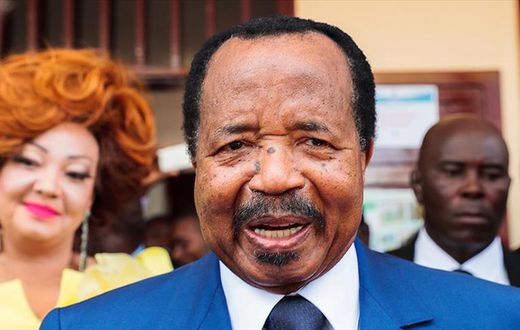
Among the political figures stepping up is Ohene Kwame Frimpong—aka O.K. Frimpong—the Member of Parliament-elect for Asante Akyem North Constituency. Frimpong visited the scene of the fire to personally assess the damage and connect with those affected, many of whom, according to interviews conducted by Citi News, rely on daily credit systems to finance their operations and have no formal backup when disaster strikes.
Frimpong’s response went beyond simply donating cash; he also spent time offering words of comfort and prayed with the victims—a significant gesture in societies where community and faith intersect strongly during hardship. While the donation amount wasn’t disclosed, locals said the visit gave a sense of hope as government figures joined the relief effort. According to a statement released by his office, Frimpong also called on local banks and microfinance institutions to consider waiving or restructuring loans for affected merchants, recognizing the deep financial vulnerability that such disasters create in local economies.
Nana Kwame Bediako
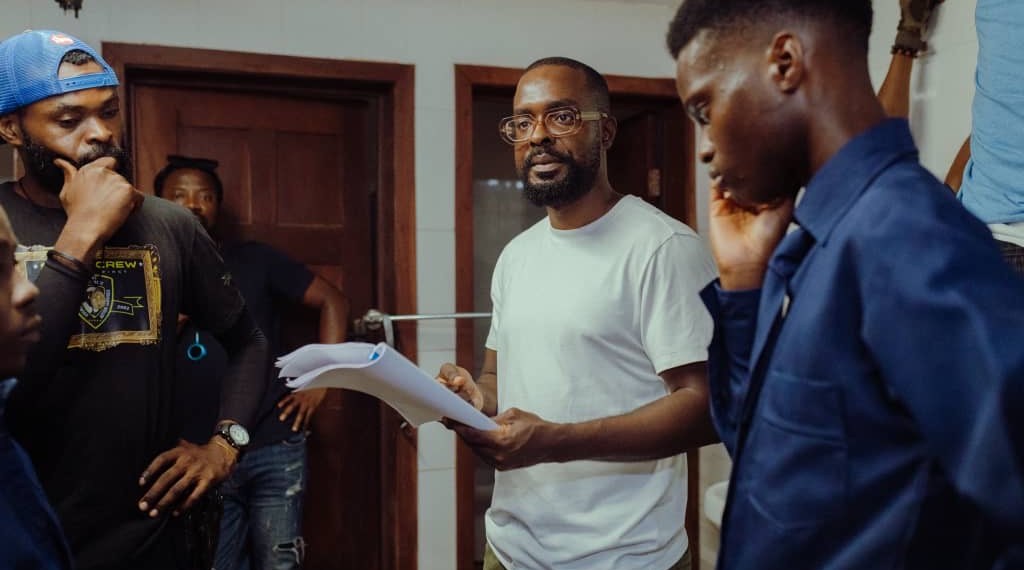
The outpouring of support continued with Nana Kwame Bediako, popularly called Cheddar—a real estate developer, business mogul, and a recent presidential hopeful. Bediako visited Kantamanto Market on January 3, 2024, taking time to walk through the burned-out stalls and talk to survivors about their needs.
Known for his dynamic vision and philanthropy, Cheddar provided a personal donation of 50,000 cedis to the traders and publicly committed to spearheading the rebuilding of the market. According to interviews published in Graphic Online, his team pledged not just to restore physical structures, but to facilitate training and empower market women and young people with business skills, pledging that “Kantamanto will rise again, better and stronger.” The promise goes beyond immediate relief and speaks to long-term urban renewal initiatives that have proved effective elsewhere in Africa, such as the post-fire rehabilitation of Nigeria’s Balogun Market in Lagos.
These collective efforts have not only provided tangible financial relief to the Kantamanto traders—many of whom are women supporting extended families—but have also revived hope amid tragedy. The donations have been described by Accra-based sociologist Dr. Efua Osei as “a vital lifeline for informal traders, who are central to food security and family survival across West Africa.”
Yet, as demonstrated by the challenges following similar disasters in Nigeria’s major markets such as Ariaria in Aba and Oyingbo in Lagos, rebuilding extends far beyond money. Survivors will need sustained support, effective urban planning, better fire prevention systems, and inclusive credit policies to ensure that markets like Kantamanto can remain resilient to future shocks. There have also been calls for governments region-wide to invest in fire-fighting infrastructure, insurance initiatives for micro-businesses, and regular training on emergency management for traders.
At the same time, some stakeholders have expressed concern that philanthropic gestures, while important, must not diminish the responsibility of official agencies to implement long-term protective measures. “It’s about partnership—government, business, and communities working together,” noted Yemi Eze, a Nigerian urban affairs commentator.
For many in West Africa who saw images of the devastation circulate on social media, the Kantamanto fire is both a tragedy and a wake-up call to the vulnerabilities faced by everyday market traders. It underlines the broader need for African cities to develop mechanisms that protect informal workers while supporting modernization and disaster resilience from Lagos to Accra and beyond.
As the rebuilding process gets underway, the actions of figures like Wendy Shay, KOD, O.K. Frimpong, and Cheddar serve as noteworthy examples of leadership and compassion. Their contributions remind all West Africans that collective action and empathy can make a real difference—if backed by strong policies and community involvement.
Have similar incidents or responses played out in Nigerian markets, or do you have views on how the region can better support informal traders facing disaster? How should local and national governments balance emergency relief with longer-term solutions? Share your thoughts below and join the discussion.