

The Nigerian social media space was recently stirred up following critical remarks made by online personality and self-proclaimed financial savant, Geh Geh, about the widely discussed Jollof rice cookathon organized by celebrity chef Hilda Baci. According to Geh Geh, the event, which attracted significant attention both locally and across Africa, is emblematic of broader economic challenges faced by Nigeria.
In a video that quickly spread on various platforms, Geh Geh did not hold back in his assessment of the turnout and fanfare surrounding Hilda Baci’s record-breaking attempt to cook the biggest pot of Jollof rice. He argued that such intense interest, in his view, “reflects the reality of poverty that plagues the nation,” suggesting that so many people wouldn’t have rallied behind the event if Nigeria were a more affluent society.
Geh Geh further criticized Baci for, as he put it, “investing excessive amounts of time, energy, and financial resources into pursuits that offer little tangible value to Nigeria or its people.” He questioned whether record-breaking endeavors like the cookathon meaningfully address the country’s ongoing socioeconomic problems, contending that they may instead serve as distractions from more pressing national issues.
According to sources who reviewed Geh Geh’s commentary, he described the cookathon as a “tool designed to divert the youth’s attention from significant challenges,” such as unemployment rates, education gaps, and policy reforms that many young people are demanding across Nigeria.
“People were crying and queuing just to eat ordinary Jollof rice. You are giving so much attention, energy, and money to things that are not important to society. What is this Guinness Record contributing to Nigeria? This your record and BBNaija are the same thing, diverting the attention of the youth into things that aren’t really important,” he said in part.
Reacting to how the event was organized, Geh Geh reportedly criticized the quality of the food produced at the cookathon, arguing that it emphasized “quantity over quality,” a sentiment that sparked further debate within the culinary and entertainment communities.

Credit: officalgehgeh
Source: Instagram
“And the rice is more about quantity over quality; it seems like they put rice instead of hot water,” he said.
As a final piece of advice, Geh Geh encouraged Hilda Baci to focus her skills and platform on activities that could more directly benefit Nigerians, rather than chasing global records or viral achievements. He stressed that efforts to break world records should not overshadow the importance of addressing real-life challenges affecting the populace.
You can watch the full video joint of Geh Geh’s reaction to Hilda Baci’s trending Jollof rice cookathon via the Instagram link below:
Reactions Trail Geh Geh’s Comment
Geh Geh’s remarks quickly ignited a storm of reactions from Nigerian netizens and members of the wider African diaspora. Many respondents questioned Geh Geh’s own contributions to national progress, arguing that critics often overlook the cultural value and positive publicity generated by high-profile events like the cookathon. While some supported his call for a renewed national focus on tackling systemic issues, others maintained that such events also offer respite and foster unity in challenging times.
rayychael_ said:
“He bought a car worth millions of naira recently does his community have light?”
udia_kitchen wrote:
“Why you no carry your GLE money take dash Nigerians as you love us so much.”
terfaeren reacted:
“The money you carry buy car, why you no use am help the poor for your community? Abi you blind?”
_ifenkili commented:
“Geh Geh sense be like deleted file! Shebi he bought Benz worth millions, Wetin he done do for his community people.”
rukibruks_food_ reacted:
“Wetin this man Dey talk ? Always talking upside down.”
amakaokoro16 said:
“So let me get this straight ..Hilda Baci cooked a historic pot of jollof, pulled over 20,000 people together without fights or chaos, put Nigeria on the world map in a positive way, and all some people can say is ‘it doesn’t matter’ or ‘they came because of hunger’?”
Hilda Baci’s Team Responds to Questions About the Cookathon
In the wake of the controversy, Hilda Baci’s team addressed broader concerns raised online, particularly about the authenticity and organization of the Jollof cookathon. Some social media users reportedly questioned the quality and quantity of ingredients, especially the type of rice used during the event, which was hosted in Lagos.
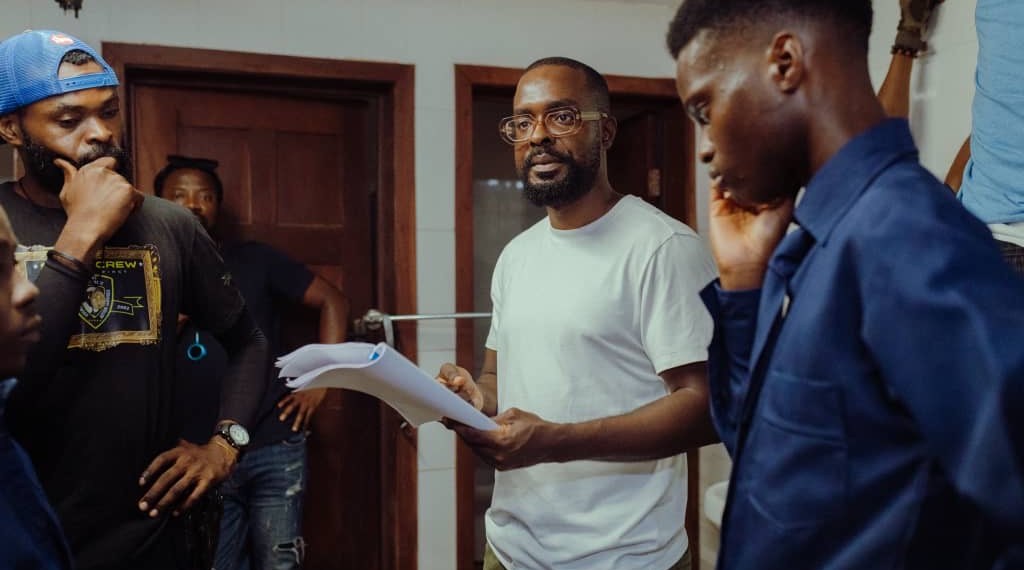
To dispel doubts and reassure fans and critics alike, Baci’s representatives released exclusive behind-the-scenes footage, offering a closer look at the rigorous preparations and actual cooking process. This video, widely circulated online, sought to reinforce the transparency and legitimacy of the cookathon, highlighting the hard work of everyone involved in setting a new standard for large-scale food events in West Africa.
Events like Hilda Baci’s cookathon have continued to showcase Nigerian hospitality, culinary innovation, and the entrepreneurial spirit of young Africans. While such gatherings are sometimes met with skepticism or political critique, they also drive conversations about what it means to build national pride and cultural exports in an interconnected world.
Beyond the controversy, many experts believe that celebrating accomplishments in food and other creative industries can boost tourism, inspire youth participation, and reshape global perceptions of Nigerian and African achievements.
According to Lagos-based industry observer Ogechi Nwosu, “Food-related events like this have the power to bring people together, attract international attention, and highlight the creativity of our young chefs. While there’s always room for constructive criticism, we shouldn’t dismiss the positive impacts such milestones can create for local brands and communities.”
In addition to curating joyful experiences, such culinary events can have real economic benefits. Hospitality sector analyst Temidayo Balogun notes, “Massive cookathons create temporary jobs, boost local suppliers, and put African gastronomic culture in the global spotlight. The challenge is to ensure these achievements translate into long-term opportunities for investment and youth empowerment.”
Nigeria’s youth population, known for its resourcefulness, creativity, and digital savviness, continues to drive viral trends and export local content internationally. While the debate over the significance of record-breaking cookathons may linger, the attention generated by Hilda Baci’s achievement underlines the power of food as both a connector and platform for global engagement.
As the conversation continues, Nigerians from Lagos to Accra and beyond are reflecting on the broader purpose and impact of high-profile events in society. Is it simply about breaking the next record, or can such moments help forge stronger communities and inspire the next generation of innovators?
What’s your perspective on the role of cultural events like Hilda Baci’s cookathon? Do you believe they bring lasting value, or should more be done to target direct economic and social development? Share your thoughts below and stay engaged for more updates on food, culture, and Nigeria’s evolving story!