

Nigerians are bracing for the intensification of a nationwide strike by oil workers, which is set to fully commence on Tuesday, September 9, 2025. The industrial action, driven by ongoing disputes over the unionisation rights of employees at the Dangote Refinery—the continent’s largest—threatens to disrupt petroleum supply chains across the country.
Talks between the Nigerian government, organised labour, and the Dangote Group have ended in deadlock, following disagreements on whether workers at Dangote’s refinery should be allowed to freely join unions. This standoff has already begun to manifest, with several petrol stations in Sokoto reportedly closing due to a shortage of products, highlighting immediate consequences for local communities and businesses.
Tanker Drivers’ Strike Still On
BusinessDay reports that discussions broke apart in Abuja when Sayyu Dantata, who represented the Dangote Group, left the negotiation table during talks with Labour Minister Muhammad Dingyadi and union leaders. Multiple sources present at the meeting stated that the Dangote team firmly maintained that union membership at the refinery should be optional, whereas the Nigeria Labour Congress (NLC) and the National Union of Petroleum and Natural Gas Workers (NUPENG) demanded unequivocal freedom for workers to organise.
The Minister of Labour, Muhammad Dingyadi, reportedly confirmed these failed talks but held out hope that further negotiations scheduled for Tuesday would help break the impasse. Vanguard sources noted Dingyadi’s optimism for a peaceful resolution, despite the complex circumstances.
He said:
“There are issues we have not been able to reach a final agreement on… I am confident that by tomorrow we should be able to resolve these issues.
“The NLC accused the Dangote representative of deliberately frustrating negotiations.”
According to Benson Upah, acting secretary of the NLC, the right to unionise is non-negotiable. He suggested that denying workers this basic right has far-reaching consequences for labour relations in Nigeria.
Benson Upah, acting secretary of the NLC remarked:
“Even when we bent backwards to accommodate his uncompromising behaviour, he still walked out. We are left with no option but to do the needful. The strike action continues.”
Williams Akporeha, president of NUPENG, further explained that the strike action was being taken in defence of Nigerian workers’ rights—alleging that the Dangote Group’s reluctance to permit unionisation amounted to an attempt to “enslave” employees.
He added:
“We cannot stand by and see an investor monopolise not just the system but even the workers.”

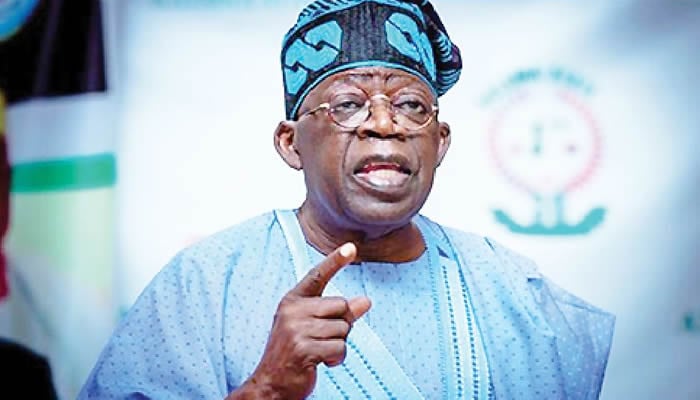
Photo: Dangote group
Source: Facebook
Fuel Tanker Drivers Go on Strike
Last week, the NLC raised an urgent “Red Alert”—accusing the Dangote Group of engaging in anti-union tactics and monopolistic practices. The union claims such actions contravene the Nigerian Constitution, the Labour Act, as well as international conventions set by the International Labour Organisation (ILO). The NLC’s demand was clear: immediate unionisation of all workers across Dangote’s refinery and its subsidiaries, with warnings of escalated solidarity actions if compliance is not achieved.
The NLC said:
“If Dangote continues on this reckless anti-union path, we will confront this tyranny head-on until victory is secured for Nigerian workers.”
Depots Adjust Petrol Prices
Amid the strike and ongoing negotiations, further complications have emerged for Nigerians at the pump. Reports indicate that new ex-depot petrol prices surfaced at multiple private depots nationwide—including those belonging to Dangote Petroleum Refinery—as talks to avert the tanker drivers’ strike continued.
Data obtained on Monday revealed that Dangote refinery increased its petrol price from ₦820 to ₦840 per litre. Meanwhile, other players like Wosbab, Heyden, and Ardova were quoted to have posted depot prices of ₦850 per litre, further intensifying concerns over affordability and accessibility for everyday Nigerians.
These rapid changes are likely to impact households and small businesses already struggling with high living costs. Petrol price hikes not only affect transport—ranging from commercial buses to okada and keke riders—but also contribute to inflation, as the cost of delivering goods and services surges across the economy.
Broader Impact and Local Perspectives
Economic analysts in Lagos caution that the prolonged strike may have severe repercussions, not just for the downstream sector, but also for national output and inflation levels. “When supply is disrupted for even a few days, the ripple effects travel from urban centers like Lagos and Abuja to small towns and villages,” explains energy consultant Amaka Ibezim. “The cost of everyday items will go up, and the informal economy especially feels the pinch.”
Petrol station operators and independent marketers in states like Kano, Kaduna, and Rivers are reportedly grappling with erratic and dwindling supplies, while some filling stations have already closed temporarily. According to a station manager in Ibadan, who preferred to remain anonymous, “We have no choice but to close if we run out. People get frustrated quickly when queues return.”
Local commuters and commercial drivers express growing frustration. Musa Abdullahi, a tricycle operator in Sokoto, noted in an interview, “If there is no fuel, how can we work? Whether it’s school runs, market trips, or emergencies, everyone suffers if the stations are shut.”
Legal and Policy Context: Unionisation in Nigeria
Nigeria’s Constitution affirms the right of workers to freely associate and form or join unions. The Labour Act further sets out processes for employees to collectively bargain. Repeated breaches of these rights—as alleged by NUPENG and the NLC—can attract sanctions for non-compliant firms and spark industrial unrest.
Legal experts say the ongoing standoff is highly significant for labour relations in Nigeria, especially given the scale of Dangote’s operations and its role in the national economy. “This dispute will test Nigeria’s ability to enforce labour laws consistently with ILO standards. It is one of the most high-profile cases regarding unionisation in years,” said legal practitioner Chuka Onwudiwe, speaking in Lagos.
The Dangote Group, one of Africa’s largest conglomerates, is a crucial player in the region’s oil and gas value chain. Its petrol refinery, located in Lagos State, is designed to meet a significant portion of local demand, reducing dependence on imported fuel. Any disruption in its operations has serious implications for Nigeria’s ambitions of self-sufficiency in refined petroleum products.
West African and Global Context
The strike’s impact reverberates beyond Nigeria, as several West African countries source refined petroleum products from Nigeria—including Ghana, Togo, and Benin. “Any drop in exports or supply from Nigeria puts pressure on neighbouring countries, often forcing them to seek costlier alternatives from Europe or Asia,” notes Ghanaian market researcher Kwame Agyekum.
Globally, investors are watching developments at the Dangote refinery closely, given its position as the single largest refinery in Africa. According to industry experts, frequent labour disputes could tarnish Nigeria’s image as a stable investment destination and affect the flow of crucial foreign direct investment into the energy sector.
What Lies Ahead?
Union representatives insist the strike will continue until all employees at the refinery are granted the unconditional right to join unions. On the other side, management at Dangote Group has thus far resisted these demands, maintaining that their approach aligns with best practices and respects worker choice.
Industry observers warn that drawn-out negotiations, without meaningful compromise, may deepen supply chain crises, affecting not only Nigerians, but also regional economies linked to Nigeria’s energy market. In the coming days, the country’s ability to balance robust economic ambitions with respect for workers’ rights will be under the microscope.
How do you see the ongoing strike impacting daily life in your community or business? Do you think labour rights and economic ambitions can be balanced more effectively? Share your views below and stay tuned with us for timely updates.
For general support or inquiries, contact [email protected].
Don’t forget to join our conversation on social media for real-time updates and more community stories: Facebook, X (Twitter), Instagram.