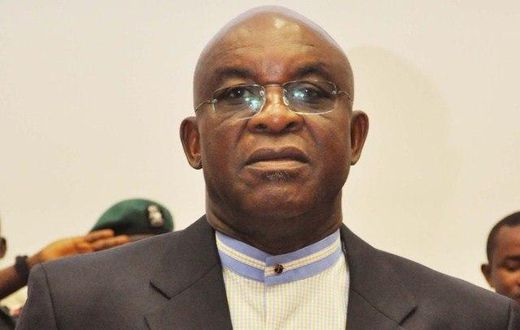
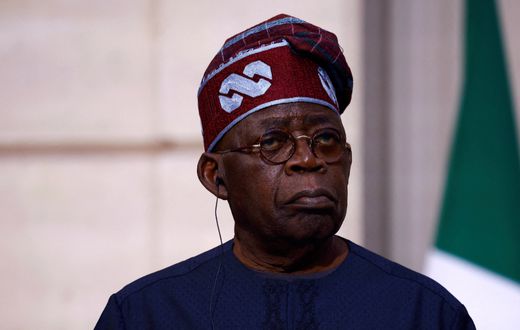
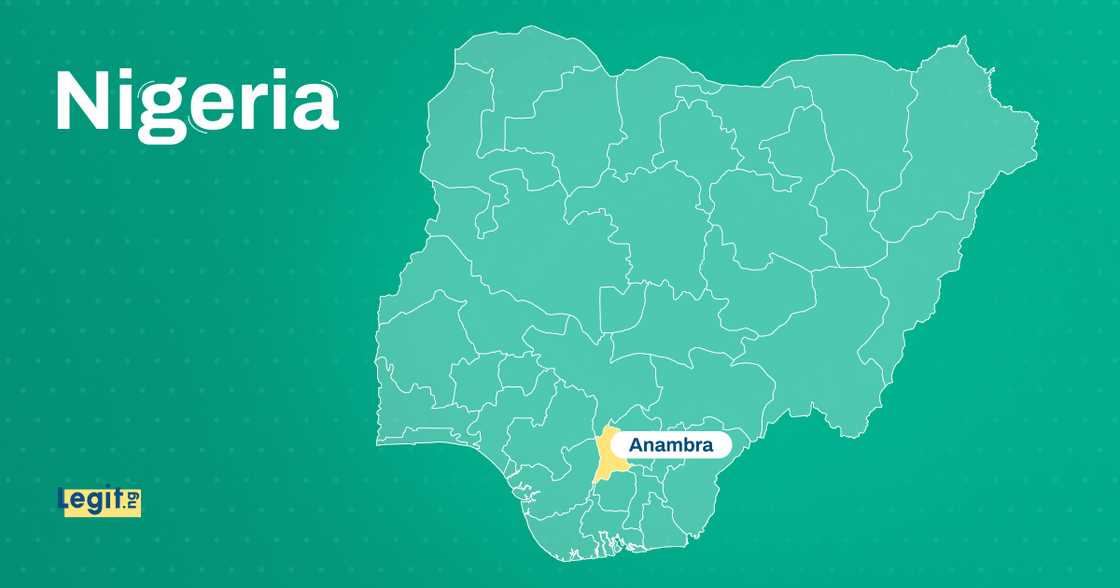
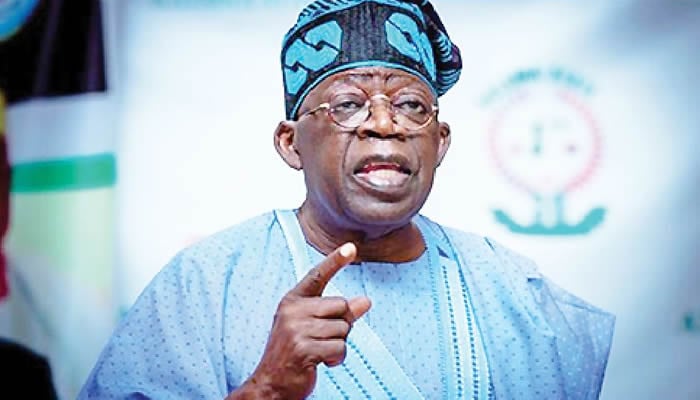
Amid heightened political activity in Rivers State, Governor Siminalayi Fubara made headlines with his return, sparking conversations across Nigeria and beyond. Addressing journalists at the Government House in Port Harcourt, Governor Fubara’s arrival came just days after a pivotal development: the lifting of his suspension by President Bola Tinubu and the official end to the emergency administration in Rivers State.
As reported by Channels TV, Governor Fubara emphasized that he would make a public broadcast to the people of Rivers on the same day as his arrival, an announcement that drew considerable attention from residents eager to hear from their governor after weeks of uncertainty. His return marks a significant moment in the state’s political landscape, with many seeing it as the start of a new chapter.
The context of these recent events is complex. Earlier this year, in March 2025, President Tinubu declared a state of emergency in Rivers State amid escalating political crises and governance issues. In a move that drew both national and international scrutiny, the President appointed a sole administrator to oversee the state’s affairs during a period that saw Governor Fubara suspended from office. This action, while controversial, was reportedly aimed at restoring calm and stability in the region.
The emergency administration was officially lifted on Wednesday, September 17, raising expectations across the state that Governor Fubara would immediately resume his duties. Many supporters, according to local media, anticipated his return on Thursday, September 18, only for the governor to arrive in the state the following morning, on Friday, September 19. His delayed return led to fresh rounds of speculation and commentary, as crowds gathered at Port Harcourt International Airport to welcome him. The scenes at the airport underscored the governor’s continued influence and the local population’s keen interest in state affairs.
Reactions as Fubara returns to the country
Governor Fubara’s homecoming did not go unnoticed on social media platforms, especially with Channels TV streaming the moment online. The reaction among Nigerians has been mixed, reflecting the deeply divided opinions on the state’s recent troubles, the governor’s leadership, and the broader implications for Nigerian governance.
Here’s how Nigerians are responding online:
Bayo Olupohunda commented:
“There are no Saints in this Rivers tragedy. Both Wike and Fubara are Villains. Both are responsible for the state of anarchy in Rivers. Both are guilty.”
Murtala, offering a critical perspective, questioned the rationale behind some supporters’ celebratory mood:
“Truly amazing, waiting hours for a politician, but can’t fill streets for accountability. When dem remove Fubara like joke, una no fit gather. Now una dey shout welcome. Jobless noise, shameless loyalty.”

Photo Credit: @officialABAT, @SimFubaraKSC
Source: Twitter
Ayetoto’s remarks reflected further debate:
“Same powerless crowds who cheered Fubara to this situation are the same crowd that welcome him back for more deceit. The devil no be wetin you think say e be. If you don’t learn from this. Then you don’t know the world you are in.”
Joel alleged:
“Baba left Nigeria to live a better life when there was no power. Now he is back to rule his slaves in Rivers.. Nigerian politicians are all evil and useless.”
The Duke of Emevor weighed in as well:
“The ceremonial governor has arrived; the state assembly members are waiting for you.”
To see more reactions and the full video coverage by Channels TV, click here:
https://x.com/channelstv/status/1969003689982497253
Legal, Political, and Local Context: What Does Fubara’s Return Mean for Rivers State?
Governor Fubara’s brief absence following the lifting of his suspension has generated much analysis among political observers, legal experts, and the wider public in Rivers and across Nigeria. The situation raises questions about the legal and procedural requirements for a suspended governor’s return, the expectations of immediate leadership, and the broader implications for Nigerian federalism—especially as they relate to executive powers during emergencies.
To provide more insight, Dr. Ebere Okwulehie, a Lagos-based constitutional lawyer, explained: “There is no explicit constitutional timeline that sets out how soon a governor must resume after suspension is lifted. While the urgency is mostly political and symbolic, the law is silent on a compulsory deadline. What matters is the governor’s legitimate authority upon re-entry and his ability to reclaim the wheels of governance.”
For local communities in Rivers State, these developments carry tangible consequences. The state has struggled with halted governance projects, administrative bottlenecks, and uncertainty among civil servants and business owners. As Port Harcourt-based public affairs analyst Ken Wokoma notes, “The turbulence in government has stalled key initiatives, affected investor confidence, and fueled anxiety. Governor Fubara’s return should prioritize restoring normalcy and addressing gaps created during the emergency period.”
Rivers State is a vital economic hub in Nigeria, known for its significant contribution to national oil revenue, marine trade, and its vibrant population. Any instability in the state often has far-reaching impacts, not just within Nigeria but for investors and stakeholders across West Africa. The episode has thus attracted the attention of both local citizens and international observers concerned with governance standards, the safeguarding of democracy, and the fair resolution of internal crises.
Wike defends Fubara’s absence in Rivers
Adding further dimension to the political debate, Federal Capital Territory (FCT) Minister, Nyesom Wike—himself a former governor of Rivers State—stated that there was no legal basis compelling Governor Fubara to immediately resume office. Wike’s declaration sought to clarify public misconceptions surrounding the timeline of Fubara’s return. According to Wike, the decision on when and how to resume rests with the governor and his team, though it is always subject to public and political scrutiny.
These remarks come at a time when public engagement is at an all-time high. Many Rivers indigenes had called for clarity and swift action, while others have highlighted the need for patience, understanding the complex pressures facing leaders in transition periods. The legal ambiguity around resumption timelines has fueled further debate among legal scholars, commentators, and citizens who are closely monitoring how this situation may set a precedent for future cases in Nigeria and possibly in other West African democracies.
President Tinubu’s intervention, including first declaring a state of emergency and later restoring the governor, underscores the delicate balance of executive powers, the role of the presidency in state matters, and the ongoing challenges of federalism in Nigeria. The presidency’s decisions and the reactions they have triggered are being closely analyzed by policy experts, political scientists, and regional bodies keen on observing Nigeria’s democratic processes.
Implications for Governance, Democracy, and the Broader Region
The dramatic sequence of suspension, emergency rule, and eventual reinstatement is not without precedent in Nigeria, but it highlights ongoing challenges in ensuring accountability, transparency, and stability at the sub-national level. For West African states facing similar governance strains, the Rivers scenario offers lessons in crisis management, executive accountability, and the limits of presidential intervention.
Observers across Africa are looking to see if Rivers State can now return to regular governance under Fubara’s restored leadership. Will policy reforms accelerate? How will public trust be rebuilt after months of uncertainty? And what safeguards will prevent future crises of this magnitude?
For now, the governor’s return signals hope for renewed focus on key issues: infrastructure development, youth employment, economic diversification, and security. Whether these hopes will materialize depends on the administration’s ability to harness broad-based support and deliver on its promises.
What do you think about Governor Fubara’s return to Rivers State and the recent twists in the state’s political journey? Do you believe such interventions help or hurt Nigeria’s democracy in the long run? Share your thoughts in the comments below and stay tuned for more updates on Rivers State and Nigerian politics.
Got an opinion, tip, or story about governance or politics in Nigeria or Africa? Share your voice with our community! If you have a compelling news tip or want to get your story featured, email us at [email protected].
For general support, reach out at [email protected].
Don’t forget to follow us on Facebook, X (Twitter), and Instagram for the latest news and community stories. Your story matters—let your voice be heard!