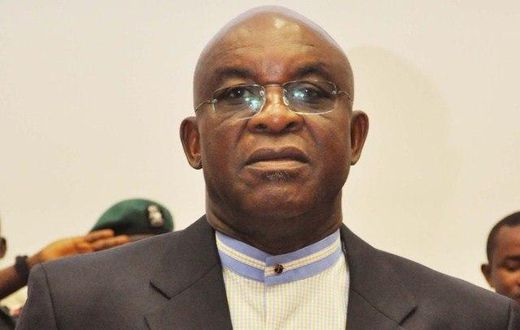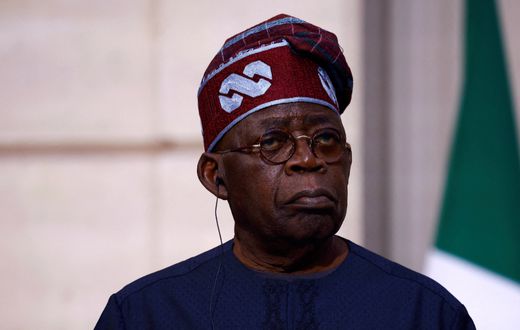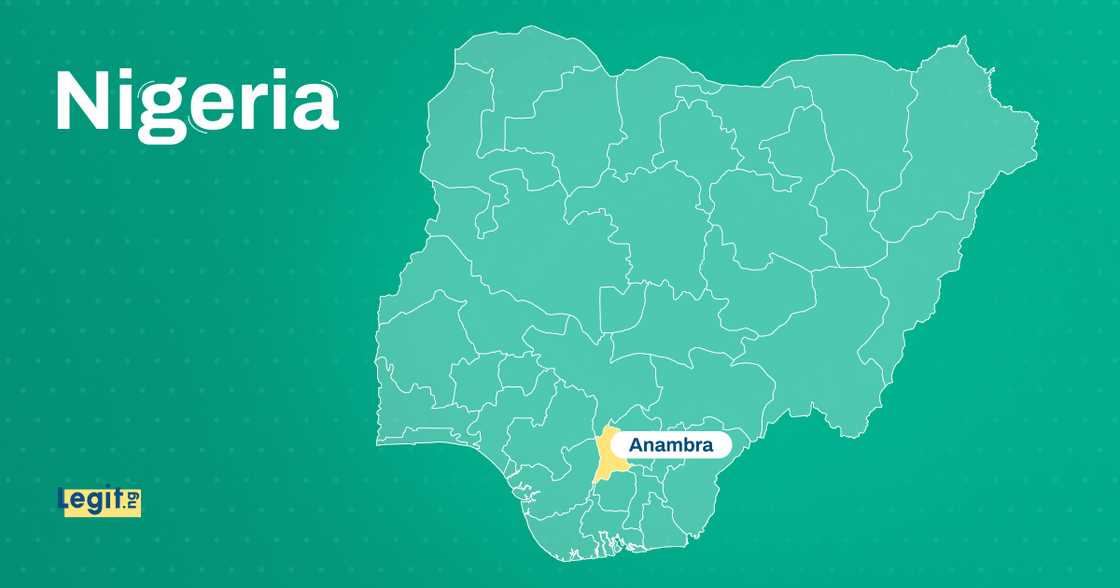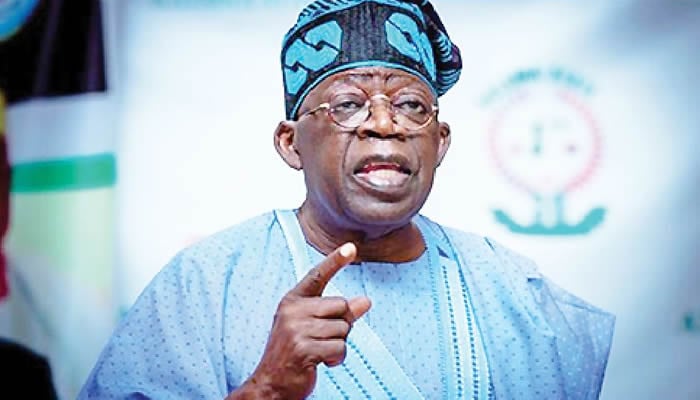


Amid heightened attention on the cultural and political fabric of Rivers State, the revered chieftaincy title of Amaopu-senibo of Opobo Kingdom has been formally bestowed upon Governor Sir Siminalayi Joseph Fubara, GSSRS, strengthening his ancestral connections within the historic Jaja of Opobo lineage. This recognition, deeply rooted in tradition, surfaced in the public domain alongside President Bola Ahmed Tinubu’s significant announcement to lift the state of emergency in the region—a move widely discussed among community leaders and governance experts.
Amaopu-senibo of Opobo Kingdom: Tracing Governor Fubara’s Royal Heritage
Governor Fubara, who currently serves as the chief executive of Rivers State, carries the distinguished title of Amaopu-senibo—a symbol of high honour and respect in the Opobo Kingdom. The title is not only ceremonial but is regarded by many locals as a testament to his direct link with the illustrious Jaja of Opobo family, whose cultural and historic significance continues to ripple through the Niger Delta to this day.
The Opobo Kingdom, founded by the legendary King Jaja in the late 19th century, still commands considerable influence over regional chieftaincy traditions and local governance. In interviews with members of the Opobo royal council, it was highlighted that the Amaopu-senibo title “represents a pillar of our heritage and a reminder of leadership grounded in service,” according to Chief Bright Wobo, a well-regarded Opobo elder (reported June 2024). This background has stirred renewed interest in the roots of Governor Fubara, especially as Rivers State emerges from the constraints of federal emergency protocols and seeks new paths for development and unity.
Local perspectives indicate that the investiture has deepened community pride. “It means much for us that our son not only governs but also keeps the moral and traditional values alive,” remarked a Port Harcourt-based historian, who declined to be named. Across community gatherings, the fusion of governance and tradition has sparked thoughtful conversations about the role of cultural identity in modern politics.
Family, Faith, and Service: Governor Fubara’s Background
Siminalayi Fubara’s story, as reported by local sources, begins as the second child and first son of the late Joseph Fubara, reputed for his service in the Nigerian military, and the late Love Fubara, a respected civil servant. Growing up in a household shaped by both strict discipline and a legacy of public service, Fubara was reportedly influenced to pursue a career anchored in ethical conduct and dedication to community upliftment.
This foundation is often cited as essential to Fubara’s leadership style, which is described as pragmatic and community-centered by political analysts in Rivers State. “Family ties shaped his character—the discipline he inherited is evident in his decisions,” commented Lagos-based policy commentator Ngozi Ikenna, during an interview for this article.
Faith has also played a defining role in the governor’s journey. Fubara is a knight of the Order of St. Christopher within the Church of Nigeria (Anglican Communion), an honour reportedly reserved for individuals demonstrating extraordinary commitment to integrity and Christian duty. Reverend Benson Ekhator, spokesperson for the Anglican Diocese in Rivers, explained in May 2024, “His knighthood is a mark of his moral standing and years of service to both the church and wider society.” This intersection of faith and public service continues to inform both the governor’s private values and public persona.
Valerie Fubara and Family Life: Balancing Duty and Commitment
Outside the rigours of office, Governor Fubara is known as a dedicated family man. He is married to Valerie Fubara, and together they are raising three children. Close associates frequently note the governor’s grounding in family life, citing it as a vital anchor that maintains his balance and resilience amid challenging governance demands.
“Politics in Nigeria is never straightforward, but the governor’s commitment to his family is unwavering. It’s something people here really admire,” shared a member of the Rivers First Initiative, a local civic organisation that monitors public office holders. He further explained that such values are increasingly important as Rivers State enters a period of political recalibration following President Tinubu’s removal of the state of emergency.
This confluence of timing has fuelled debate on how traditional titles, family values, and political stability are linked in current-day Rivers. Stakeholders argue that leaders who draw on their cultural legacies may be better positioned to unite diverse communities and drive development that resonates with local aspirations.
Rising Through the Ranks: Governor Fubara’s Distinguished Public Service
Long before ascending to Rivers State’s highest office, Siminalayi Fubara built a solid track record within the state’s civil service. According to official state records, his career began in 2003 when he joined as a classroom teacher under the Rivers State Post-Primary Schools Board. At Comprehensive High School, Alesa-Eleme, Fubara taught for five years, earning the respect of both students and colleagues for his diligence and mentorship.
His ascent continued through the civil service hierarchy, marked by a series of progressively senior roles. Noteworthy among them was his tenure as Rivers State Accountant General—a pivotal post that gave him oversight of the state’s finances and brought significant exposure to the demands of public sector leadership. Analysts from the Rivers Budget Monitoring Group point out that his technocratic approach modernised financial processes and earned praise for transparency, a feat not always common in Nigerian state administrations.
A summary of his government roles includes:
- Classroom Teacher, Rivers State Post-Primary Schools Board (2003–2008)
- Various financial and administrative appointments in state government (2008–2022)
- Accountant General of Rivers State (prior to assuming office as Governor in 2023)
His rise—over an 18-year span—was shaped by both academic accomplishment (reportedly holding several professional qualifications in public administration and finance) and a reputation for integrity. By drawing on these experiences, Governor Fubara is said to be steering Rivers State through an era of renewed accountability and infrastructural reform, though critics urge closer scrutiny of policy delivery and sustained engagement with grassroots communities.
Culture, Governance, and the Road Ahead for Rivers State
The convergence of tradition and governance—manifest in Governor Fubara’s investiture as Amaopu-senibo—raises profound questions about political identity and leadership in Nigeria’s Niger Delta and beyond. Commentators suggest that when local leaders hold both traditional authority and political power, they may be uniquely equipped to bridge the gap between heritage and progress.
However, challenges remain. Rivers State still faces complex social issues, economic inequalities, and security risks that persist after years of emergency measures. Civil society groups have urged the administration to remain transparent, inclusive, and responsive to community concerns. “The lifting of the state of emergency is a positive step, but it must be matched by long-term policies that address root causes of instability,” stated civic activist Chiamaka Akunna, as quoted in a recent radio interview.
In a West African context, the story of Rivers State is instructive: from the role of traditional titles in uniting fractured communities, to the ongoing interplay between inherited legacies and the ever-evolving demands of democratic governance. Globally, Nigeria’s experience continues to offer insights into how postcolonial societies negotiate local customs with national aspirations.
As Rivers State navigates new directions, stakeholders and citizens alike will be watching to see how tradition, family, faith, and service are woven into the fabric of leadership—and what this means for the broader region.
What is your perspective on the influence of cultural heritage in today’s Nigerian governance? Do you think traditional titles play a positive role in modern politics? Drop your comments below and follow us for the latest updates on political leadership and community stories across Nigeria and Africa.
For general support, you can also contact us at [email protected].
Don’t forget to join our community for more news and in-depth features—follow us on Facebook, X (Twitter), and Instagram!