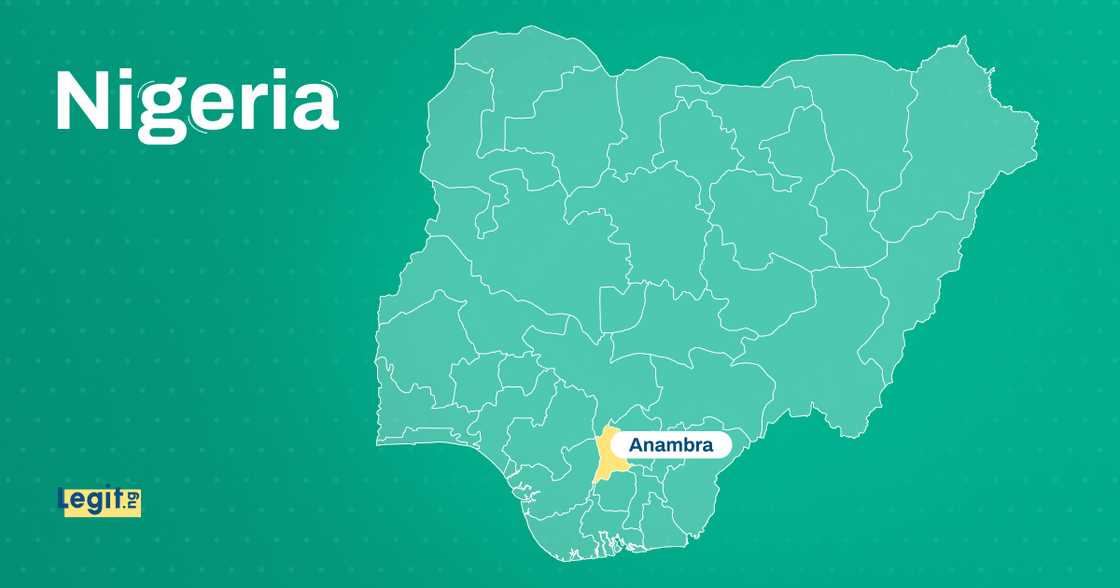


Rivers State has once again become the focus of national attention following the dramatic return of Governor Siminalayi Fubara to office after a tumultuous six-month suspension amid allegations of political infighting and constitutional debate. As the dust settles in Port Harcourt and across Nigeria, many are reflecting on both the tension and the lessons that have emerged from this period of uncertainty.
On Friday, Governor Fubara addressed the people of Rivers in his first televised speech since resuming official duties. He shared insight into the behind-the-scenes challenges that shaped recent events, revealing that he faced significant pressure to directly oppose President Bola Tinubu’s declaration of emergency rule in the state and his subsequent suspension from office.
Earlier this year, on March 18, President Tinubu reportedly imposed emergency governance on Rivers State after a protracted deadlock erupted between Governor Fubara and his influential predecessor, Nyesom Wike, who currently serves as Minister of the Federal Capital Territory. The rift between the two high-profile politicians, long simmering and closely followed in the national press, reached a climax that drew federal intervention and sent shockwaves throughout the Niger Delta region.
Under the emergency decree, both Governor Fubara and his deputy, Ngozi Odu, were suspended, along with the state’s entire legislative assembly, for a period of six months. Distinctly, this kind of sweeping intervention is rarely seen in civil Nigerian governance, and it quickly elicited a flood of responses from prominent political groups and legal experts.
According to Lagos-based constitutional lawyer Yetunde Ajayi, “The Nigerian Constitution is explicit about the roles of each arm of government and the conditions under which a state of emergency can be declared. Many observers felt the steps taken by the presidency possibly exceeded those provisions.” Prominent organisations, including the Nigerian Governors Forum, also issued statements criticising the suspension, contending that the move undermined the democratic mandate and could set a dangerous precedent for governance across West Africa.
Despite mounting pressure—from supporters, legal advisors, and political allies—to contest the federal government’s actions, Fubara stated during his broadcast, “I resisted not only in my own interest but for the peace and stability of Rivers State. Challenging the declaration in court risked escalating the tension or drawing out the impasse at a time when our people most needed solutions and unity.”
For six months, according to commentators and civic leaders, governance came almost to a standstill in Rivers as the suspension froze ongoing projects and delayed critical decisions. Residents, business owners, and civil servants reportedly voiced concern that the uncertainty would damage both the state’s economy and its reputation as an oil-rich powerhouse within Nigeria.
The standoff finally started to thaw when President Tinubu, just before the deadline marking the end of the six-month suspension, directed that Governor Fubara, his deputy, and the legislators should resume their responsibilities and return to office. This development was widely seen as a result of behind-the-scenes negotiations and, reportedly, diplomacy involving federal stakeholders and respected community elders.
While addressing Rivers State on Friday, Governor Fubara said, “These past six months have been extremely challenging for the people of Rivers. Yet, through patience and sacrifice, we have come out stronger. I believe this is a new era—a chance to focus on our shared progress and put political crises behind us.”
He acknowledged President Tinubu’s direct role in brokering reconciliation between himself and former governor Wike, hailing Tinubu for “acting in the interest of peace,” and thanking Wike for his willingness to “make peace a priority for the people of Rivers.” According to sources close to the negotiations, the peace agreement included guarantees that all elected officials would return and that the business of governance would, at last, resume.
Reacting to these developments, Port Harcourt-based activist Jennifer Wokoma told our correspondent, “It’s important that leaders learn to resolve disputes without putting citizens through this kind of anxiety. People lost income, businesses were left in limbo, and there was a general sense of fear. We expect our elected officials to put people over politics.”
Analysts note that the Rivers crisis underscores deeper questions about the balance of power in Nigeria’s federal system and the mechanisms available to mediate political rifts at the state level. Across both Nigeria and the wider West African region, similar disputes have led to instability, prompting calls from experts for legal reform and stronger institutions to safeguard democracy.
Looking forward, Governor Fubara has urged the people of Rivers State—along with his supporters across Nigeria—to view this moment as an opportunity to rebuild trust and pursue economic growth. “Let us work together with renewed hope and determination to build a stronger, more peaceful, and prosperous Rivers State. My commitment is to inclusivity, transparency, and a focus on the welfare of every resident,” he declared in his speech.
In outlining his administration’s next steps, Fubara promised to refocus on completing long-delayed projects, revive the local economy, strengthen security, and ensure no community is left behind. “Our immediate responsibility is to return to the path of governance and development by completing the projects we started, ensuring none is starved of funds, and improving the wellbeing of all Rivers people,” he emphasized.
According to independent observers, Rivers State now faces the task of repairing the impact of the stalemate, including addressing the delays faced by businesses, disruptions to education and health services, and restoring public confidence. Civil society groups in the Niger Delta region have called for regular community consultations and transparent reporting from government as a way forward.
Internationally, the situation in Rivers has drawn attention to the broader challenge of managing political disputes within resource-rich and diverse societies. West African analysts often cite Nigeria as both a source of regional leadership and a case study in federal complexity. Many are watching closely to see how Rivers State’s leaders—and their supporters—translate reconciliation into real, sustainable development.
With the political crisis now seemingly resolved, the eyes of not just Nigerians, but many across Africa and the diaspora, remain on Rivers. Will this chapter usher in lasting peace and real progress, or are deeper systemic reforms required to prevent a repeat?
How do you think Rivers State should chart its course after this period of suspension and emergency rule? What lessons can Nigeria—and other West African countries—draw from this saga? Drop your thoughts below and join the conversation. Stay connected with us for continuous updates on this and other key stories shaping Nigeria and Africa’s future.
Have a story you want to share or sell? We’d be glad to hear from you! Email us at [email protected] to get your story posted or discuss story sales.
For tips, opinions, or news stories, reach out at [email protected].
Follow us on Facebook, X (Twitter), and Instagram for real-time updates and community discussions!