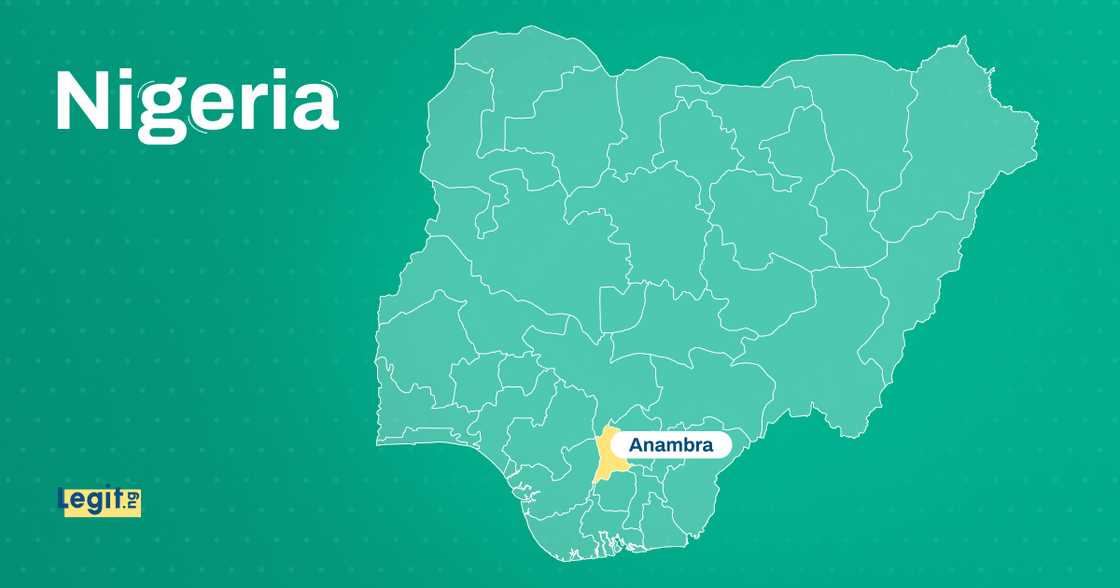


Federal Medical Centre (FMC) Mubi, situated in Adamawa State, Nigeria, has officially announced an extensive recruitment drive spanning its medical, paramedical, scientific, technical, and administrative teams. This initiative opens important opportunities for Nigerian professionals to make tangible contributions to a frontline healthcare institution, with the potential for positive ripple effects across West Africa’s medical landscape.
According to management statements, the recruitment is intentionally broad, seeking individuals who are deeply committed to patient welfare and service excellence. The hospital’s leadership highlights that this move is designed to boost internal capacity and drive higher standards of care, with the ultimate aim of improving health outcomes in the region.
As Dr. Halima Sani, a senior administrator at FMC Mubi, explained in a recent session with local stakeholders, “Our hospital serves not just Mubi and Adamawa State, but also provides critical healthcare support to neighboring communities and cross-border populations. This round of hiring is about preparing for the growing needs of our people and ensuring we remain a lifeline in northeastern Nigeria.”
Key Openings Across Medical, Paramedical, Technical, and Allied Departments
The available positions reportedly reflect the hospital’s evolving demands and its commitment to holistic care. According to the latest update (source), clinical appointments include specialist consultants across medical disciplines, medical officers, senior registrars, nursing officers and superintendents, as well as pharmacists, medical laboratory scientists, physiotherapists, radiographers, optometrists, dental therapists, and officers specializing in dietetics.
Supportive and allied health positions are also open. These encompass medical social welfare officers, environmental health technologists, orthopedic cast technicians, biomedical technicians, pharmaceutical technicians, x-ray technicians, and laboratory technicians. Such roles are essential in creating a seamless hospital experience, according to Chidi Anene, a Lagos-based healthcare analyst. “Hospitals succeed when every department—from wards to labs to admin offices—delivers cohesively.”
Management has clarified that these vacancies go beyond purely clinical roles. Technical and infrastructural support is recognized as central to sustaining high-quality healthcare delivery, echoing challenges seen in facilities across Africa where gaps in engineering, IT, and administrative staffing often compromise overall service provision.
Crucial Openings in Engineering, IT, Science, and Administration
In response to modern hospital needs, FMC Mubi has also announced vacancies in engineering and IT, with openings for engineers, architects, programme analysts, data processing officers, and scientific officers. In today’s digital era—and amid health sector digitalization across Africa—these roles help ensure facilities remain resilient and adaptive to both local challenges and global standards of hospital care.
The administrative side of hospital management is also a key focus. FMC Mubi seeks to employ legal officers, confidential secretaries, information officers, store officers, executive (admin) officers, accountants, and laundry technical staff. These positions provide vital support to medical operations, helping FMC operate effectively as a complex, multidisciplinary institution.
As management explained in a briefing with local media, the wide-ranging vacancies underscore the hospital’s commitment to building a diverse, skilled, and integrated workforce. According to health policy researcher Ngozi Ijeoma, “This approach not only creates jobs but sets a standard for other federal medical centers struggling with understaffing and skill gaps.”
How to Apply and What to Prepare
Interested professionals must submit a handwritten letter of application along with their curriculum vitae, copies of academic qualifications, their birth certificate, and a recent passport photograph as part of the application package. These documents help verify eligibility and ensure equitable shortlisting.

Source: Original
All applications should be addressed to:
- Medical Director, Federal Medical Centre, Mubi, P.M.B. 2026, Adamawa State.
According to the hospital’s official release, the application submission window will close six weeks after the date of publication, setting the final submission deadline at September 8, 2025.
Candidates are strongly encouraged to include up-to-date phone numbers and email addresses to ensure they can be contacted easily should their applications move forward. Only those who are shortlisted will reportedly receive interview invitations.
FMC Mubi maintains its declaration as an equal opportunity employer and, according to spokespeople, actively urges applications from individuals with diverse backgrounds, reflecting Nigeria’s cultural richness. “We want everyone to feel their expertise is welcome here—regardless of ethnicity, religion, or region,” said Dr. Sani.
Local Insights: Why These Vacancies Matter Now
Nigeria’s healthcare sector continues to wrestle with brain drain and staff shortages, especially outside major urban centers. The World Health Organization (WHO) estimates that Nigeria faces a doctor-to-patient ratio of less than 4 per 10,000 people—well below the recommended global threshold. Adamawa State, like other states in the North East, faces additional pressure due to ongoing security issues and cross-border migration from Cameroon and Chad, which often overwhelm local healthcare resources.
Local experts emphasize that jobs like those advertised by FMC Mubi can help reduce unemployment among skilled graduates, encourage return migration for diaspora professionals, and foster regional development. According to Kaduna-based policy analyst Auwal Umar, “Every opening is a chance to strengthen not just one institution but the fabric of local healthcare—and by extension, national capacity.”
However, challenges remain. Budget constraints, administrative hurdles, and issues of equitable posting—especially for lower-paid clinical and technical roles—may influence the appeal of such jobs. Stakeholders urge the government and hospital management to address potential bottlenecks in recruitment, onboarding, and retention.
Continental Ambitions: African Union Offers New Opportunities
Beyond national borders, the African Union (AU) has rolled out a fresh set of job openings for qualified Africans, aiming to bolster its operational and logistics capability. According to publicly available details on the AU’s official job portal, seven positions need to be filled, calling for professionals with qualifications that range from Higher National Diploma (HND) to bachelor’s and master’s degrees, depending on specific job requirements.
Applicants chosen for these AU roles could find themselves working in diverse environments across Africa—from headquarters in Addis Ababa to regional secretariats—making these opportunities especially attractive to those passionate about shaping continental policy and integration.
African integration advocates note that such roles offer a vital platform not just for career growth but for cross-cultural collaboration. “We need young, dynamic professionals dedicated to moving the Union forward while embracing every nation’s unique values,” commented Josephine K., an Abuja-based international relations analyst. She added that both the AU and institutions like FMC Mubi offer paths for Africans seeking careers with impact beyond their borders.
Global Relevance and Implications for West Africa
The current recruitment wave at FMC Mubi, alongside the AU’s employment drive, reflects a broader trend in Africa toward local empowerment and institutional strengthening. With the WHO and World Bank urging African governments to invest heavily in health sector jobs, such steps represent a strategic response to not just immediate needs, but also to the long-term goal of scaling up Africa’s human capital and resilience.
Meanwhile, both Ghanaian and larger West African audiences watch Nigeria’s moves closely, as similar workforce challenges and healthcare gaps exist across the region. Successful hires at FMC Mubi could offer a model for best practices across West African health institutions facing similar socio-economic and infrastructural challenges.
In summary, these vacancies represent not just jobs, but an opportunity for Nigerian and African professionals to shape the future of healthcare, public service, and continental unity. The hope is to see equitable, sustainable development that reflects Africa’s diversity and ambition.
Are you interested in applying for any of these positions, or do you know someone who might be? What steps do you think FMC Mubi and other African institutions can take to make these roles more attractive and impactful? Drop your comments below and let us hear your views! Don’t forget to follow us for the latest updates on jobs, health, and opportunities in Nigeria, West Africa, and beyond.
For general enquiries or support, reach out at [email protected].
Stay connected and get breaking updates on opportunities in Nigeria, West Africa, and Africa! Follow us on Facebook, X (Twitter), and Instagram.
Your journey, your story—let’s put it on the map!