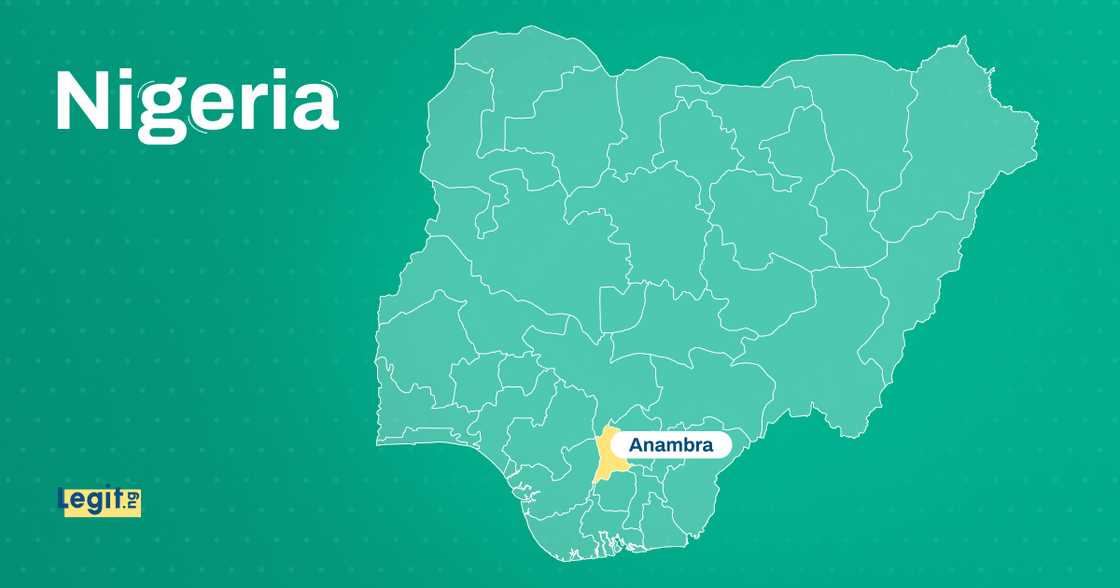


In a significant stride toward enhancing aviation standards across West Africa, the Nigerian Air Force (NAF) has launched its International Helicopter Flying School (IHFS) in Enugu state. The institution, purpose-built to develop elite helicopter pilots for both the military and civilian sectors, represents a major milestone not only for Nigeria but the broader African aviation landscape.
According to an official announcement shared via the NAF’s verified X (formerly Twitter) account, the school boasts state-of-the-art training facilities and is staffed by seasoned instructors. The primary goal is to foster aviation excellence and reinforce Nigeria’s position as a leader in African airpower.
The statement from the Air Force, as seen below, underscores the broader vision:
“Dreaming of flying? Take to the skies with the Nigerian Air Force International Helicopter Flying School (IHFS), a pioneering institution dedicated to producing world-class helicopter pilots. Situated in Enugu, Nigeria, this distinguished school delivers comprehensive training programmes for both military and civilian students, equipping them with the expertise and confidence required to excel in the aviation sector.
“With state-of-the-art facilities, highly experienced instructors, and an unwavering commitment to excellence, the Nigerian Air Force International Helicopter Flying School stands at the forefront of aviation training, shaping the future of airpower in Africa and beyond.”

Photo credit: @NigAirForce
Source: Twitter
Nigerians Share Mixed Reactions as NAF Unveils New Helicopter Training School
Unsurprisingly, news of the IHFS launch sparked a wave of responses across social media, with Nigerians from a range of backgrounds sharing their perspectives directly on NAF’s official X page. We have highlighted some of the notable reactions below to capture the community sentiment:
@Predator_737 tweeted:
“How does one join this?”
@Toheeb_Muhydin tweeted:
“What are the qualification process.”
@Alii_Bomaye tweeted:
“I’m coming.”
@LDingbobga tweeted:
It’s really amazing.”
@ol3ol tweeted:
“An impressive profile.”
To see more and join the conversation, watch the full update from NAF at:
https://x.com/NigAirForce/status/1966765503822631118
below;
Deepening the Talent Pool: NAF’s 2025 Nationwide Recruitment Drive
In related news making headlines across the country, the Nigerian Air Force has announced the commencement of its 2025 national recruitment campaign. According to the NAF, applicants who qualify can begin their journey toward a rewarding career by applying through the official recruitment portal (airforce.mil.ng/apply-now).
This recruitment exercise, as disclosed in an X post dated Tuesday, August 26, 2025, is in line with NAF’s ongoing efforts to strengthen its operational capabilities. The recruitment emphasizes a broad range of specialties reflecting the complexities of modern air combat and support, including engineering, medical services, and cybersecurity. This approach signals a shift toward technological adaptability in the face of evolving security challenges both within Nigeria and the wider West African region.
Eligibility requirements for the Direct Short Service Commission (DSSC 34/2025) are clear: applicants must be Nigerian citizens, and age limits run from 20 to 32 years — extended to 40 for consultant doctors. According to officials, further criteria are listed in detail on the official portal, and only those who strictly meet the standards are encouraged to apply.
Responding to Insecurity: NAF Intensifies Airstrikes in Zamfara
The successes of the Nigerian Air Force are not limited to institutional upgrades. In a report that has captured national attention, NAF recently conducted targeted airstrikes against armed bandits in Tsafe Local Government Area, Zamfara State. These strikes, according to the Force, followed intensive surveillance which pinpointed the location of the bandits deep within a mountainous region.
A well-known Lake Chad region counter-insurgency expert, Zagazola Makama, shared insights on the operation, stating that the casualties are believed to have included associates of the notorious bandit leader, Ado Aliero. This operation aligns with a broader regional trend: in recent years, security agencies from Nigeria, Niger, and other Sahelian nations have intensified joint military responses to tackle armed groups destabilizing local communities and threatening regional trade routes.
Despite these efforts, addressing rural insecurity remains a complex challenge. Issues such as insufficient coordination with local communities, inadequate infrastructure, and the ever-present threat of retaliation by armed groups have complicated counter-banditry initiatives both in Zamfara and other states. Local residents in Tsafe and neighboring towns reportedly welcomed the latest operations but emphasized the need for sustained security presence and comprehensive support for those displaced by violence.
The Bigger Picture: What Does This Mean for Nigeria and West Africa?
With the launch of the IHFS and the ramping up of recruitment and security operations, the Nigerian Air Force is signaling its intention to serve as an anchor of stability for the region. According to security analysts like Dr. Ifeoma Okoye in Abuja, “Nigeria’s investment in homegrown aviation training is a blueprint for self-reliance in the continent’s security architecture. The IHFS, if well managed, could see Nigeria exporting aviation expertise across West Africa, reducing dependence on foreign instructors and training abroad.”
Comparatively, countries like Ghana and South Africa have made similar efforts to build world-class aviation academies to support both military and civilian sectors. However, sustained funding, regulatory oversight, and transparent admissions processes remain critical to their success. The launch of the IHFS places Nigeria in a competitive position to attract trainees from neighboring states, potentially boosting the local economy and fostering regional integration.
On the home front, some Nigerians remain cautiously optimistic, applauding the focus on developing technical capacity but urging the authorities to extend these advancements to civilian aviation—especially as Nigeria seeks to revive its national carrier and expand local air transport services. Community leaders and civil society organizations are watching closely to ensure that admissions into the IHFS and related recruitment drives are merit-based, inclusive, and accessible to women and underrepresented regions.
Challenges and the Way Forward
While these achievements are encouraging, experts warn that obstacles remain. Persistent issues such as the “brain drain” of skilled professionals, maintenance of high equipment standards, and adaptation to emerging aviation technologies must be addressed consistently. Furthermore, analysts from the Centre for West African Aviation Policy recommend ongoing collaboration with international regulatory bodies such as ICAO (International Civil Aviation Organization) to ensure that curriculum, safety standards, and pilot certifications meet global requirements.
Ultimately, the sustainability and impact of the IHFS and related air security initiatives will hinge on transparent leadership and meaningful partnerships with both the private sector and international allies. As Nigeria positions itself to serve as an aviation hub for Africa, the hope is that these developments will translate into improved security, economic growth, and greater opportunities for young Africans aspiring to build careers in the skies.
How do you see the role of homegrown institutions like the IHFS in Nigeria’s future security and economic growth? Do you or someone you know aspire to join the Air Force or a similar institution? Share your thoughts in the comments and let us know what topics you’d like us to cover next!