

The Economic Community of West African States (ECOWAS) is intensifying its push for coordinated policing across its 15 member nations, aiming to confront rapidly evolving security challenges and strengthen the region’s peace support mechanisms.
At a recent ECOWAS Police Focal Point Officers’ meeting in Abuja on Wednesday, August 6, senior police representatives from across West Africa came together to evaluate strategies for enhancing the police component of the ECOWAS Standby Force. This assembly, which included law enforcement chiefs and security experts, focused on ensuring that regional police units are well-prepared to respond quickly and effectively to crises, ranging from cross-border crimes and armed attacks to cybersecurity threats—the latter being an increasingly significant concern in both Nigerian and broader West African contexts.
Sani Adamu, the Acting Head of Peace Support Operations, spoke on behalf of Ambassador Abdel Moussa, the ECOWAS Commissioner for Political Affairs, Peace and Security. He underscored the urgent need for a “multidimensional force” capable of decisive action during emergencies, highlighting the ever-present risk of criminal syndicates, cyberattacks, and complex security threats facing the region. “The region is confronted with criminal attacks, cyber threats, and various security challenges. This meeting is important because it looks at how our police forces can be equipped to respond effectively to such threats,” Adamu explained.
Adamu further reminded attendees that ensuring safety within West Africa goes beyond physical strength or tactical moves, stating, “True security is not only about arms and strategy, but about leveraging our collective strengths and resources to foster sustainable peace.” The notion that every member state contributes a unique expertise has become central to the ECOWAS security philosophy, especially as new transnational crimes—such as human trafficking, drug smuggling, and digital financial fraud—pose increasing challenges for local police.
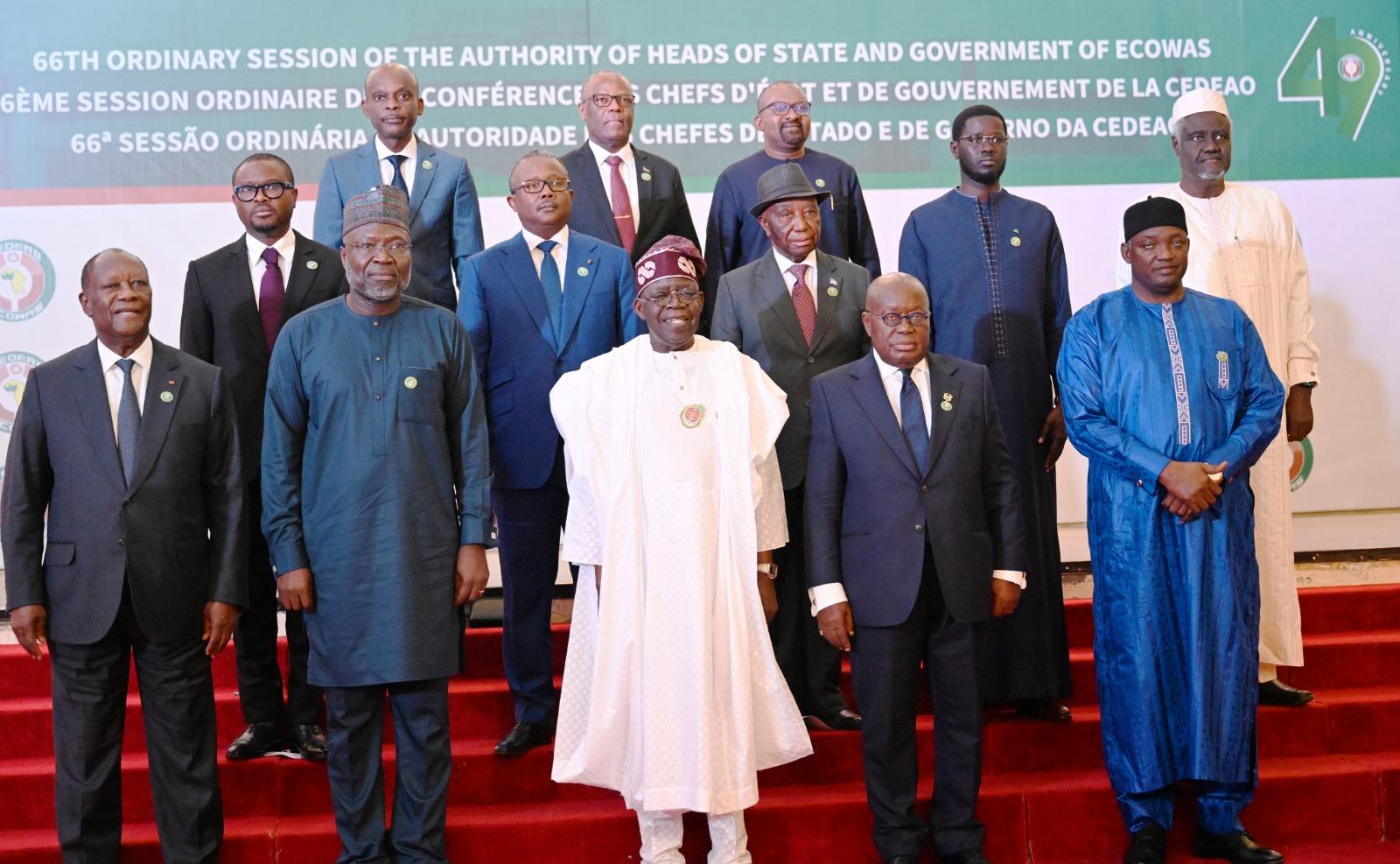
FG clears N85bn, $54m ECOWAS community levy
One recurring theme throughout the Abuja meeting was the critical importance of inter-agency collaboration, especially in sensitive border areas. Adamu cited Sierra Leone’s cross-border approach as a solid example for other nations in the region, noting, “We work with all the sister forces there to fight crime along the borders and within the country.” These collaborative efforts have yielded notable successes against smuggling and organized crime, according to local police sources.
The gathering also allowed for a thorough review of training efforts undertaken by each member nation, ensuring officers are ready for rapid deployment under the ECOWAS Peace Support Operations framework. Countries like Nigeria, Ghana, and Senegal have ramped up joint training drills and simulation exercises, reportedly to close existing gaps in communication, logistics, and rapid response.
“An effective ECOWAS Standby Force supports not only immediate crisis response but also long-term peace-building. It is an investment in our future,” Adamu remarked, urging those present to share suggestions and constructive feedback as part of the region’s ongoing effort to refine and modernise its policing strategy. This sentiment was echoed by several attendees, who emphasised the need for a continuous improvement mindset as threats evolve.
Heading the session was Sierra Leone’s Inspector General of Police, William Fayia Sellu, represented by his Deputy, Sahr Senesi. As chair, Senesi addressed the importance of having an operational and standardised roster for police deployments across ECOWAS states. He described the proposed roster as “a living tool” designed to both restore law and order under pressure and ensure that the dignity of citizens is preserved during any intervention or crisis response.
Senesi highlighted, “This workshop comes at a critical time in our collective regional security journey. The threats confronting West Africa demand unified, proactive, and professional responses.” He insisted that the evolving deployment system should emphasise interoperability—enabling different national police units to work seamlessly together—professional standards, and a deep sense of regional solidarity.
Experts from the region, including Lagos-based security analyst Chuka Ezeh, pointed out that the effectiveness of such cooperative frameworks depends not only on high-level strategy sessions but on regular on-the-ground engagements. “Without adequate funding, information-sharing, and community trust-building, police collaboration will underperform against the threats we face, especially in Nigeria’s North East or the Sahel,” Ezeh observed.
![Kayode Egbetokun [Facebook]](https://stag-blogsites.itechnolabs.co.in/wp-content/uploads/2025/09/51bbbf40-7c5a-45fa-8dc6-475aa52733e0-1.jpg)
Kayode Egbetokun [Facebook]
Nigeria’s Inspector General of Police, Kayode Egbetokun, was unable to attend, but ACP Aniagboso Chinedum represented Nigeria’s interests at the meeting. He welcomed the delegates, drawing attention to the value of sustained regional cooperation in confronting both local and transnational security issues. “I had looked forward to this meeting not just for its agenda but to also reconnect with fellow officers as we chart a course for deeper security integration and stability,” Chinedum remarked.
Chinedum reaffirmed the Nigerian commitment to enhancing the skills and preparedness of both police focal units and individual officers across West Africa. While Nigeria’s police have faced criticism over issues such as resource constraints and coordination shortfalls, the country reportedly remains determined to play a leading role within ECOWAS peace operations, a development watched closely by civil society groups and international observers alike.
On-the-ground reactions from police sources and residents in affected regions, particularly those living close to borders or hotspot areas, suggest that there is cautious optimism about these renewed efforts. A market trader in Seme, on the Nigeria-Benin border, told reporters, “We see more police and joint checkpoints now. If they cooperate more, maybe the smuggling and violence will reduce.” Nonetheless, local communities often point out the need for police forces to engage more openly and sensitively with citizens, overcoming the distrust that sometimes hampers community policing initiatives.
From a broader policy perspective, regional experts warn that these ECOWAS-driven reforms may take time to bear visible fruit, given the enormous geographic and logistical challenges across West Africa’s porous borders. They urge all stakeholders, from national governments and donor agencies to frontline officers, to remain committed to the long-term goals of sustainable peace, development, and human security.
The Abuja meeting closed with participants agreeing to further sharpen ECOWAS’s policing strategies to respond to emerging threats, with future workshops and follow-up sessions scheduled to monitor progress and ensure continued collaboration. As regional police chiefs and their counterparts pledged to keep working together, many Nigerians and their West African neighbours are watching closely, hoping these reforms lead to real improvements in daily security and long-term stability.
How do you think deeper cooperation between Nigerian police and their West African counterparts can impact our collective security? Are there unique local challenges you believe need more attention as ECOWAS moves forward? Drop your thoughts in the comments and let us know what issues matter most to you!
Have a news tip, opinion, or personal story on West African security to share or sell? We’d love to hear from you! Email us at [email protected] to get your story featured or discuss story sales.
For general support, contact us at [email protected].
Stay up-to-date and connect with our community—follow us on Facebook, X (Twitter), and Instagram for the latest news and discussions across West Africa!