

Nollywood stalwart Dayo Amusa made headlines after taking a bold step to clear her name, confronting a man who had falsely spread claims about her health status, alleging she was HIV positive.
A candid video surfaced online, featuring Dayo Amusa as she opened up about the gravity of the false accusations and the emotional turmoil she experienced while dealing with the defamation and online slander.
“I am making this video regarding the peddling issue about myself and a content creator who defamed my character and put out wrong information about my HIV status, which has gone viral and has had people have different opinions about me,” she began.
Speaking in the video, Amusa did not mince words about the psychological pain the rumour had caused her, saying she initially felt determined to hold the individual responsible accountable as an example to others who might consider defaming public figures in future.
“I did promise to make him a scapegoat, which I did,” she admitted.
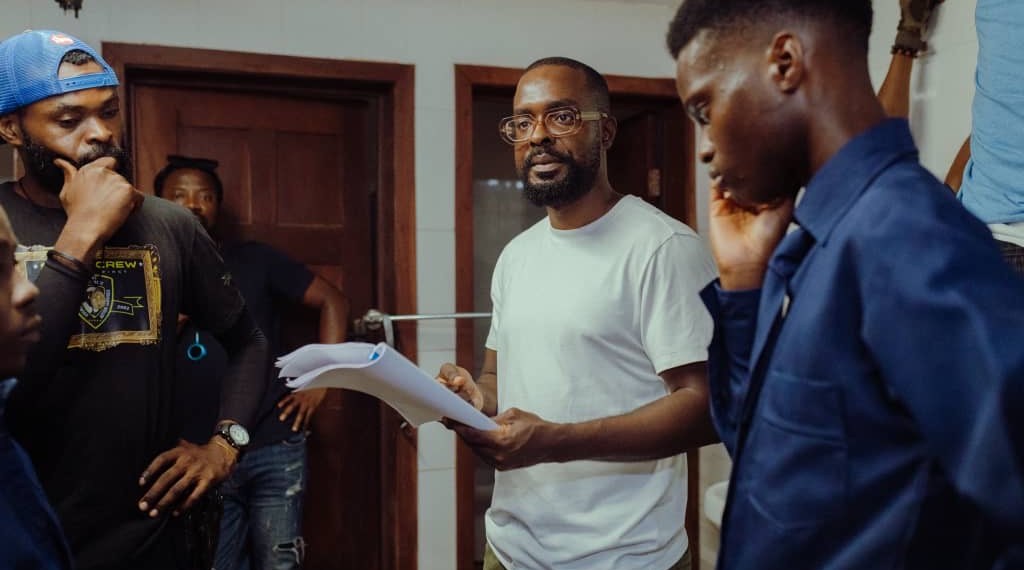
However, the narrative shifted dramatically after Dayo Amusa came face to face with the alleged perpetrator. According to the actress, he turned out to be a 27-year-old man who was grieving the recent loss of his mother. During their meeting, Amusa also interacted with his family members, including his uncle, who is a practicing lawyer.
Revealing her side of the encounter, Amusa posted the moment on her social media, drawing attention to the human element of the story and sparking conversations about accountability and the reality of cyberbullying in Nigeria’s entertainment industry.
“CASE CLOSED 📌“To err is human, to forgive is divine.” Making mistakes is a natural and inherent part of being human, they say. LET’S BE GUIDED.”
You can watch the full encounter via her Instagram handle: https://www.instagram.com/dayoamusa/ and the shared post at
below for more context:
Amusa Confronts Source of Defamatory Claims: Public Reactions
The episode quickly grabbed public attention, stirring conversations about reputation, forgiveness, and the consequences of spreading unverified information online. Below are some reactions compiled from Nigerian social media users:
tawakkalt_alabi shared their thoughts:
“See doings! you don’t need to make unnecessary noise with this people just straight steps, no announcements, straight reset.”
_thatgirldara weighed in:
“God bless you mum Firewamiri ❤️😍 you have a good heart ❤️.”
_larry_candy reacted:
“You’re good person to be honest ❤️thanks mama Rasheed.”
ebunlomobunmi_ expressed their opinion:
“Mama.. love you 🔥🔥❤️❤️.”
ibkdtvgirl1 commented:
“Who be ur friend attention seeker omokekere onibaje.”
segilolaadeleke added:
“You for teach am more lesson omo ale lopo ninu gbogbo won 🚶🚶🚶🚶.”
wickedestdino wrote:
“Growth in size,not in sense.Shame on you bro.”
blingiton_rtw had this to say:
“Ori e o ti i pe na sibe sibe cos what’s ‘now we’re friends’???”
sally_ovavi contributed:
“You have really done well.next he will watch well before he says anything.”
anikeolami001 shared:
“I love the fact that he slept in dt cell. Even if its just for 1night.”
suruka.ng said:
” Dear @DayoAmusa, God Bless You And Thank You For Forgiving Him, Letting Go And Letting God. This Is Great 👍🏿.”

Source: Instagram
Why Dayo Amusa Chose Dialogue Over Legal Action
While many fans expected strict legal consequences for the individual, Amusa’s meeting with the young man and his family illustrated a different approach—one centered on dialogue, community understanding, and education about the harmful effects of online slander. Sources close to the actress suggest that her willingness to forgive was influenced by empathy for the man’s personal circumstances, underscoring the complexities public figures face with reputational attacks on social media.
This incident shines a spotlight on the prevalence of false accusations online, especially against celebrities and other high-profile Nigerians. The rise of social media as a platform for both fan engagement and cyberbullying means that public figures are more vulnerable to defamatory content, often with long-lasting personal and professional ramifications.
The Larger Conversation: Online Responsibility and Nigerian Law
Nigerian law provides remedies for defamation, including civil actions for libel and slander, but enforcement remains inconsistent. Legal experts advise that anyone facing such situations should document the offensive content and seek advice from competent lawyers. Lagos-based rights advocate Mr. Chimdi Nwankwo explained, “Defamation cases are complex in Nigeria due to the challenge of identifying perpetrators and the resources required to pursue legal action, but the law is available for victims who wish to seek justice.”
The broader Nigerian and West African entertainment industry is increasingly advocating for digital literacy and responsible social media use. Agencies and organizations regularly urge the public to think twice before sharing unverified or hurtful information online, as the negative impact can be far-reaching and sometimes irreparable.
Amusa’s Approach Sparks Debate: Justice or Compassion?
Amusa’s decision not to press charges or take punishing action has set off debate among Nigerians. Some feel public figures must protect themselves by setting legal precedents to deter future false claims, while others commend her compassionate stance and focus on education. Commenters on her Instagram and X (Twitter) feeds praised her for handling the situation gracefully, while a few suggested stronger actions could help fight the rising tide of cyberbullying and misinformation in Nigeria.
Celebrity Privacy and Social Pressure in the Digital Age
This incident is not isolated. Many Nollywood stars and musicians have faced similar scrutiny, rumors, and harassment about their health, relationships, and personal lives. Just as Dayo Amusa was handling fallout from the defamation, she also responded to renewed public curiosity about her private matters—including intimate inquiries about her child’s paternity. During a recent Instagram live, Amusa challenged those pressuring her for such details, slamming the search for social media validation and urging fans to focus on her work rather than invasive questions.
Reactions to her firm response were largely supportive, with fans applauding her for setting boundaries and demanding respect for her private life. Many Nigerian celebrities, including musicians and influencers, have echoed this call for a healthier social environment and boundaries between public persona and private life.
Looking Forward: Lessons for Nigeria and the Continent
The Dayo Amusa case underscores broader, ongoing challenges within Nigeria and across Africa regarding online ethics, celebrity privacy, and the dangers of unsubstantiated allegations. It also highlights opportunities—both at the level of the law and the community—to teach digital responsibility and encourage supportive environments for all, celebrities included.
As internet access expands and more Nigerians join digital communities, the responsibility lies with every user to ensure that information shared — especially about people’s health or private life — is accurate, respectful, and necessary. For Nollywood and West African showbiz, the hope is that stories like Amusa’s will foster conversation, education, and real change.
What do you think about how Dayo Amusa handled this situation? Should more celebrities pursue legal action against cyberbullies, or is a compassionate approach what Nigeria needs? Share your thoughts in the comments below and let us know how you think we can create healthier online spaces for everyone.