

Nigeria’s energy sector has found itself at the center of a heated disagreement, as Dangote Petroleum Refinery and the Depot and Petroleum Products Marketers Association of Nigeria (DAPPMAN) clash over fuel pricing and logistics. The dispute has drawn considerable attention due to its implications for petroleum distribution, fuel pricing, and the broader economy, particularly for local businesses and everyday Nigerians.
According to statements issued by Dangote Refinery management, DAPPMAN is demanding an annual subsidy of N1.505 trillion to offset logistics costs they say are necessary to distribute petroleum products from the refinery to their own depots. Specifically, DAPPMAN reportedly wants compensation for coastal transport expenses, which add N75 per litre to the cost of fuel delivered outside the refinery’s gate, a move that would see either the refinery or consumers shoulder this additional burden.
Dangote Refinery claims that this approach would either force them to absorb huge extra costs or pass them along to Nigerian motorists and businesses. “We wish to clarify that the crux of DAPPMAN’s sustained attacks on Dangote Petroleum Refinery stems from their demand for an annual subsidy of N1.505 trillion to enable their members to match the refinery’s gantry prices at their own depots,” the management stated.
The refinery’s management notes that while they are able to supply products to marketers at competitive gantry prices directly from their facility, DAPPMAN insists on using coastal logistics, leading to increased costs per litre due to freight, terminal charges, Nigerian Ports Authority (NPA) fees, Nigerian Maritime Administration and Safety Agency (NIMASA) dues, and the cost of pumping products into vessels. Dangote claims marketers are asking for a N70/litre discount to cover coastal freight, plus an additional N5/litre for vessel pumping, totalling N75 per litre in extra costs to match depot prices in Apapa.
The financial impact is enormous. Based on an estimated daily national consumption of 40 million litres of petrol and 15 million litres of Automotive Gas Oil (AGO), Dangote estimates the marketers’ request would cost more than N1.5 trillion annually. “We have no intention of increasing our gantry price to accommodate such demands, nor are we willing to pay a subsidy of over N1.5 trillion, a practice that historically defrauded the federal government for many years,” the refinery’s statement reads.
Instead, the refinery has declared that DAPPMAN and other marketers are free to collect products directly from its facility, thereby avoiding extra logistics costs. According to Dangote, this direct-lifting system is part of their broader push to streamline Nigeria’s fuel supply chain and reduce inefficiencies.
Capacity is not an issue for Dangote Petroleum Refinery. Management affirms that they consistently maintain a monthly closing stock of 500 million litres of refined petroleum products on site. Between June and September, the refinery reportedly exported 3,229,881 metric tonnes of petrol, AGO, and aviation fuel. In contrast, marketers imported 3,687,828 metric tonnes during the same period—something Dangote describes as “dumping,” warning that it can hurt Nigeria’s economy and the welfare of its citizens.
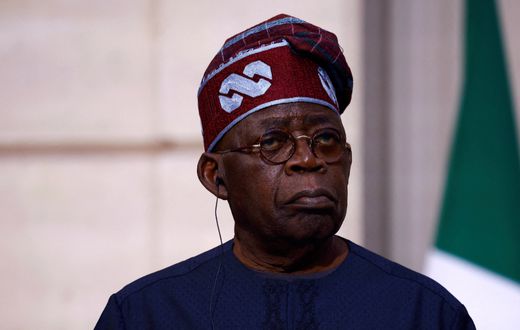
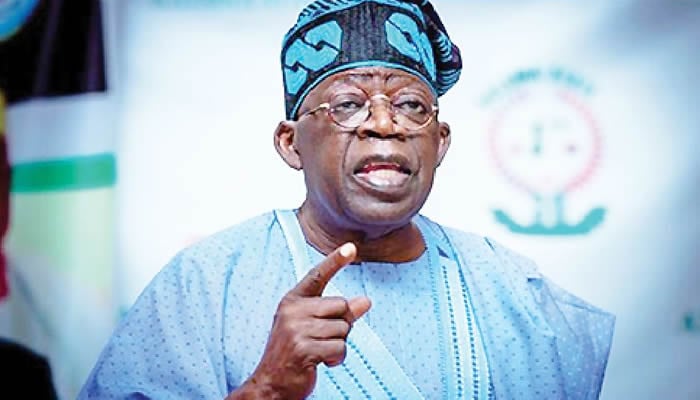
The refinery’s leadership has also reaffirmed support for the government’s economic reform efforts, including President Bola Tinubu’s policies aimed at stabilising the naira and boosting local industry. “Through various strategic efforts, we have demonstrated our commitment to stabilising the Naira, cushioning the effects of fuel subsidy removal, positioning Nigeria as a refining hub, boosting foreign exchange earnings, and creating employment opportunities among others,” the statement reads.
Dangote emphasises ongoing collaboration with regulatory agencies while maintaining that they will hold institutions accountable where necessary to protect national interests. “Dangote Petroleum Refinery remains firmly committed to the progress and wellbeing of Nigeria, and is open to partnerships with patriotic and responsible stakeholders in pursuit of national development,” the company added.
Breaking Down the Dispute: Perspectives and Market Implications
In recent weeks, the tension between Dangote Refinery and DAPPMAN has escalated in the public eye. DAPPMAN has criticized the refinery’s pricing policy, alleging that Dangote provides lower prices to international buyers than to local marketers, making it harder for Nigerian depots to compete.
Dangote, in turn, has accused DAPPMAN of trying to undermine the refinery’s contributions to Nigeria’s self-sufficiency in refined products. The company’s statement alleges that some marketers engage in “round-tripping,” where fuel produced in Nigeria is exported—often to neighbouring countries like Togo—and then re-imported at a markup. Such arbitrage reportedly allows marketers to reap higher profits while undermining local supply and potentially encouraging smuggling.
DAPPMAN has rejected these allegations and, in a firm response, threatened legal action unless Dangote retracts the claims. According to DAPPMAN: “We challenge the Dangote refinery to present verifiable evidence that DAPPMAN members are diverting products to neighbouring countries. Smuggling is a national security matter. If any member is complicit, let the relevant agencies act. Otherwise, this allegation must be retracted within seven days, or we reserve the right to seek legal redress.”
Dangote responded by affirming its right to publish its findings and invited any aggrieved parties to seek redress through official legal channels. “We are fully prepared to defend our position,” the company stated.
Expert, Community, and Regional Reactions
Industry analysts in Lagos have noted that this standoff is about much more than a single refinery or association; it reflects deep-rooted logistics and pricing challenges in the sector. “The era of subsidies and round-tripping has fuelled major leakages in the system,” said Dr. Sola Akintoye, an energy economist with the University of Lagos. He added: “What Nigerians need is a transparent pricing regime and efficient logistics, so the benefits of local refining can reach the people.”
Local business owners and transport operators have expressed frustration at the knock-on effect of unstable pricing and logistics bottlenecks. “Whenever there’s disagreement at that level, it’s the small business owner and ordinary road user that suffer the most,” notes Chinedu Okafor, a commercial bus driver in Abuja. Many consumers worry that prolonged disputes could lead to higher pump prices or fuel shortages, reminiscent of past crises.
Observers from Ghana and across West Africa are also watching closely. The region often faces supply gaps when Nigeria’s energy sector is disrupted, given Nigeria’s role as West Africa’s largest oil producer. Government officials in Ghana’s energy ministry have previously underscored the need for closer cooperation to maximise the benefits of local refining and foster competitive pricing across borders.
Historical and Global Context
The controversy over fuel subsidies and logistics costs is not new in Nigeria. For decades, government subsidies kept prices low but led to large costs for the treasury and incentivised illegal cross-border trade. The push to end subsidies and promote local refining has been central to the current administration’s economic reform agenda.
Nigeria’s experience also mirrors global trends, as countries like India and Indonesia have also reformed fuel subsidy regimes in favour of market-based pricing, with mixed results for inflation and social welfare. The balance between supporting local industry, preventing smuggling, and ensuring fair access to affordable fuel remains a tricky issue worldwide.
Looking Ahead: Possible Resolutions
Resolving the clash between Dangote Refinery and DAPPMAN will require both sides to address the core issue: how to fairly share the costs of fuel logistics without hurting consumers or undermining local investment. Policy experts suggest stronger oversight, transparent pricing, and investment in transport infrastructure as key steps toward lasting reform.
For now, stakeholders await further developments, hoping for a compromise that ensures steady, affordable supply for homes, businesses, and the wider economy.
What are your thoughts on the standoff between Dangote Refinery and DAPPMAN? How do you think these disputes impact ordinary Nigerians and businesses in West Africa? Drop your comments below and share your experience—your perspective matters!
Stay connected and join the conversation: follow us on Facebook, X (Twitter), and Instagram for breaking news and updates across Nigeria and West Africa!