

Burkina Faso has recently entered a new phase in its legal landscape by passing a law that criminalizes same-sex relationships. This legislation places Burkina Faso among an increasing number of African nations implementing tougher restrictions on homosexual acts. According to the country’s Justice Minister, Edasso Rodrigue Bayala, who announced the decision on national television, the new law not only targets same-sex acts with prison sentences of two to five years but also imposes financial penalties on those convicted. Foreigners found guilty under this law are subject to deportation.
The legislation, enacted on 1 September 2023, was adopted by a transitional parliament of 71 unelected appointees. Burkina Faso’s military-installed government has defended the move as part of a broader revision to the nation’s family and citizenship code. Minister Bayala was clear that those “suspected of engaging in homosexual or similar practices”—a phrase he used to include what he referred to as “bizarre behaviour”—would face prosecution under the new provision. According to the official statement, this also targets those seen to challenge what authorities describe as “traditional family values.”
Until this recent move, Burkina Faso had been an exception among many African countries, with no specific legal ban on same-sex relationships. It was one of just 22 nations on the continent where homosexuality was not explicitly criminalized—making this about-face particularly notable in West Africa. For many observers, this signals an intensifying trend within the region, especially following similar actions by neighbouring Mali, which is also under military governance.
Regional and Global Context: A Growing Pattern of Restriction
Burkina Faso’s move is part of a broader pattern across West and Central Africa, where military governments and conservative legislatures have pushed for restricted rights and tougher penalties against LGBTQ+ communities. Mali passed a comparable law in 2022, reflecting a coordinated shift towards strict, punitive approaches to same-sex relations, particularly in countries under transitional or junta-led rule.
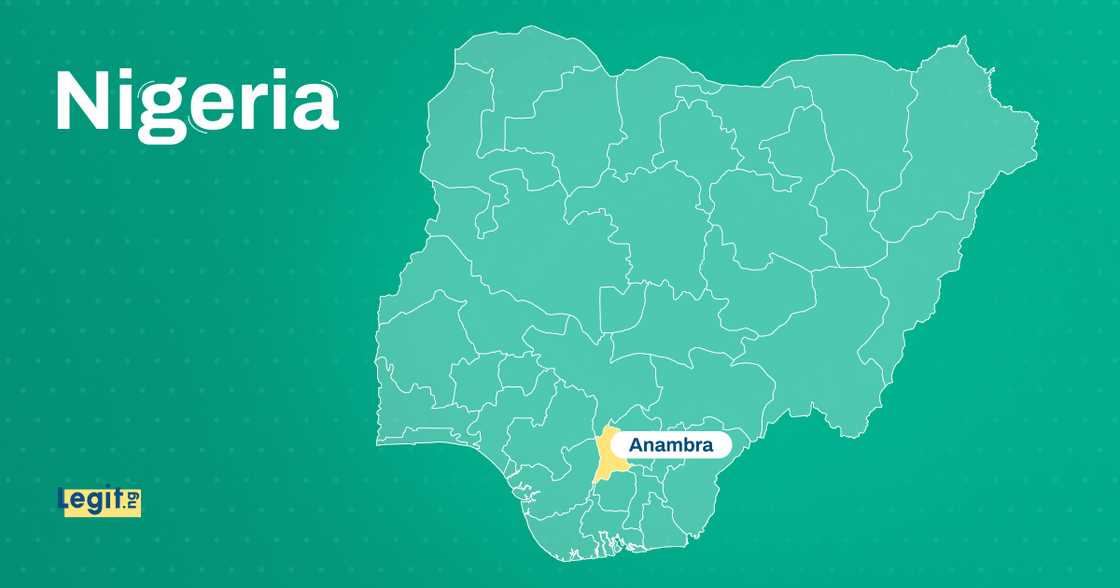
Elsewhere in Africa, countries have long maintained harsh laws targeting the LGBTQ+ community. Nigeria, for example, adopted the Same-Sex Marriage (Prohibition) Act in 2014, which proscribes up to 14 years in prison for forming or supporting same-sex unions. The legislation does not stop at marriage; it criminalizes any “public show of same-sex amorous relationships,” with citizens facing risk of incarceration for even indirect affiliations or group associations.
Uganda has taken these measures a step further. In May 2024, Uganda’s president approved what is known as one of the world’s harshest anti-LGBTQ+ laws. The law introduces “aggravated homosexuality” as a capital offense and allows life imprisonment for consensual same-sex relations. International organizations voiced strong opposition: the World Bank suspended new loans to Uganda, while the United States government withdrew the country’s eligibility for certain trade benefits.
Ghana’s parliament also passed significant restrictions earlier in 2024, voting for up to three years’ imprisonment for simply identifying as LGBTQ+. Yet, former President Nana Akufo-Addo has withheld assent, citing the need for Ghana’s courts to first consider the constitutionality of the law—a stance that has deepened debate in Ghana and across the region about LGBTQ+ rights and legal protections.
Nigerian and West African Reactions
News of Burkina Faso’s decision has sparked conversations among Nigerians, Ghanaians, and their West African neighbours. In Nigeria, the debate brings renewed focus to the 2014 law that many rights advocates argue led to a climate of fears and arrested development for LGBTQ+ persons. Seyi Oduwole, a Lagos-based human rights advocate, notes: “When one country in West Africa enacts such laws, it can have a ripple effect—whether by influencing political leaders or emboldening public sentiment in neighbouring states.”
Some experts, like Dr. Akua Mensah, a Ghanaian sociologist specializing in law and social change, point out the tension between traditional values and international human rights frameworks. “Many governments refer to culture or religion in proposing these laws, but it is vital to remember there are citizens—our neighbours, colleagues, even relatives—whose safety and wellbeing are at stake,” she said in a recent interview. Community members contacted by this publication, however, were often unwilling to speak on the record due to concerns for their personal safety.
Legal Hazards, Enforcement, and Everyday Realities
Legal practitioners across Africa have different perspectives on the effectiveness and impact of such laws. While officials in Burkina Faso claim the statute is necessary to “protect family structures,” critics argue it does not only target same-sex conduct but can also criminalize anyone perceived to act “differently,” which raises potential for abuse. In environments where such laws exist, there have been reported increases in harassment, arbitrary detentions, and social exclusion—even where legal prosecutions remain rare.
According to Human Rights Watch, enforcement of anti-LGBTQ+ legislation is often marked by inconsistency. Individuals can face arrest without clear evidence, and the fear of prosecution pushes people underground, increasing vulnerability to extortion or mob violence. In a region where same-sex relationships are heavily stigmatized, advocacy groups contend that these laws can be used for personal vendettas or to silence dissent against the ruling authorities.
Broader Impacts: Economic, Social, and Diplomatic Dimensions
International observers have also warned that sweeping laws targeting LGBTQ+ people can have deeper implications for a country’s economic opportunities and foreign relations. For instance, after Uganda’s recent legislation, the World Bank and several major donor countries cut aid or froze development projects, citing concerns over human rights. Such moves can put pressure on the everyday lives of citizens, far beyond the targeted communities.
In Nigeria, while the government continues to defend its existing legal stance, business leaders and diplomats regularly field questions about the wider societal and economic impact of restrictive laws, especially as the country interacts with global organizations that prioritize inclusion and diversity. According to a 2023 Afrobarometer survey, attitudes are shifting slowly, particularly among urban youth, who are more likely to advocate for privacy, tolerance, and reform of repressive laws.
Looking Forward: Rights, Reform, and Regional Solidarity
The passage of Burkina Faso’s law raises important questions for Nigeria and its neighbours: Should the region look to its past or adapt to ongoing social changes? What role should regional bodies like ECOWAS play in harmonizing rights and freedoms, especially for minority populations? Debates are expected to intensify both in parliaments and among civil society groups.
As more African nations re-examine their legal codes, the outcome in Burkina Faso may provide a focal point for activists and lawmakers throughout West Africa. For everyday Nigerians and Ghanaians, these legal developments are a reminder that domestic laws are not only about policy but also affect how ordinary citizens live, love, and connect in their communities.
How do you think recent legal changes on same-sex relationships in countries like Burkina Faso, Nigeria, and Ghana could impact daily life, public opinion, and West Africa’s reputation abroad? Share your thoughts in the comments and let’s continue the conversation.
Want your voice heard or have a tip to share? If you have a story, commentary, or news tip about legal or social changes in West Africa, reach out to us at [email protected]. We welcome the perspectives of all communities. For general support or inquiries, email [email protected]. Don’t forget to follow us on Facebook, X (Twitter), and Instagram to stay updated on the latest in the region! Have a story to sell? Contact us to get featured or discuss opportunities.