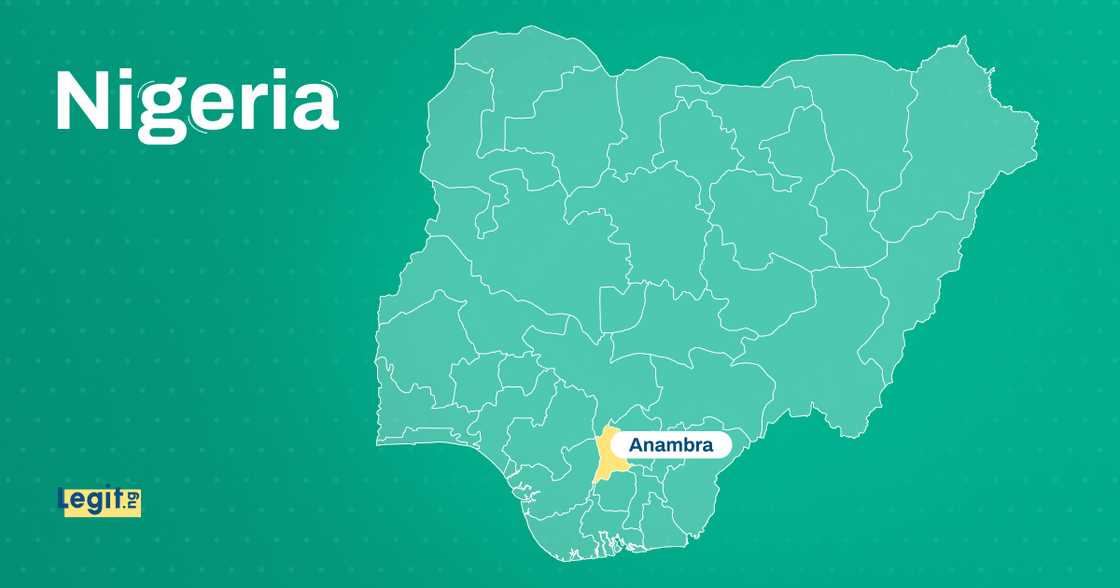


In a significant step toward bolstering healthcare education in Nigeria’s Middle Belt, the Benue State House of Assembly has approved a bill to establish the Benue State College of Nursing Sciences. The bill was passed during a plenary session held on Thursday in Makurdi, a move that lawmakers and local stakeholders hope will reshape the future of nursing education in Benue and beyond.
Addressing Critical Gaps in Healthcare Skills
Benue State, like many parts of Nigeria, faces a well-documented shortage of qualified healthcare professionals, especially nurses. According to the Nigerian Health Workforce Country Profile (2023), over 50% of rural communities in the country are underserved by professional nurses—a statistic that has real-world consequences, especially in post-pandemic healthcare rebuilding efforts (WHO, 2023). The proposed college is intended to address these gaps, producing more locally trained nurses and midwives strategically distributed across the state.
Why a New Nursing College in Benue?
During the bill’s presentation, House Committee on Health chairman, Thomas Dugeri (APC/Kwande West), stressed the growing public demand for accessible nursing education and the urgent need for new institutions. Dugeri cited community consultations, stating, “Across Makurdi and our rural heartlands, families are crying out for more trained nurses to deliver life-saving care. This college is a direct response to that call.” He urged lawmakers to support the bill, noting that its timely passage would fast-track necessary accreditation and allow for the rapid commencement of academic activities.
Key Features and Academic Standards
Speaker of the Assembly, Alfred Emberga, led a detailed review of each clause within the bill. He announced that the institution will operate three campuses—located in Makurdi (the state capital), Adikpo, and Otukpa—to maximise access for students from different regions of Benue, minimizing the hardship often faced by those traveling long distances for education. The initiative not only aims to make nursing education more readily available but also to foster community engagement across diverse ethnicities in the state, from the Tiv to the Idoma and beyond.
To maintain academic rigor, strict criteria have been set for the appointment of the college’s provost. As Emberga explained, “Anyone appointed as provost must be a professional nurse with at least a Master’s Degree in Nursing.” The provost’s tenure will run for four years, renewable once based on performance and institutional needs. According to policy experts, these provisions are crucial for ensuring leadership stability and upholding global best practices in nursing education.
Community Support and Expected Impact
Community reactions to the new college have been largely positive. According to Mrs. Nguher Adzuana, a Makurdi-based public health advocate, “This is good news for our youth and our entire health sector. More girls and boys will now have the chance to train closer to home and give back to their communities as nurses.” Similar calls have come from traditional leaders, health workers, and market traders who believe increased access to healthcare education will benefit the region’s economy and well-being.
Comparative Perspective: Nursing Education in Nigeria and West Africa
The move by Benue is in line with broader national and West African trends, where there is a concerted push to expand health-related academic programs. According to the Nursing and Midwifery Council of Nigeria, at least 25 states have recently opened new nursing schools or upgraded existing ones, but the gap between the number of qualified nurses and the population continues to widen. For instance, Ghana has also prioritized nurse training in recent years, establishing new training colleges, but still struggles to meet international staffing standards (GHMC, 2022). Benue’s college is poised to boost not only state-level healthcare capacity but could attract applicants from neighbouring states and even from across the region.
Challenges and Next Steps
While the bill’s passage marks an important legislative milestone, policy analysts warn of challenges ahead. Funding allocations, infrastructure provision, faculty recruitment, and compliance with national accreditation requirements remain hurdles. There is also the urgent need to secure teaching hospitals and clinical placements for students—areas where some new nursing colleges in Nigeria have previously struggled.
According to Dr. Joy Ujege of the Benue State University Teaching Hospital, “It’s one thing to pass a bill and another to operationalise a world-class institution. We need not just classrooms but also simulation labs, ICT support, and partnerships with existing hospitals.” The Assembly, for its part, has pledged oversight to ensure the college receives adequate resources and maintains quality standards.
The Accreditation Process
Securing proper accreditation from the Nursing and Midwifery Council is a top priority. The council’s requirements include proof of adequate facilities, qualified instructors, and adherence to updated curricula. Delay or non-compliance can hamper student admissions and the eventual issuance of professional licenses. According to the Clerk of the House, passage of the bill enables the state government to begin these crucial steps immediately—timing that could see the first intake of students as early as 2025, if targets are met.
Wider Significance and Long-term Benefits
The creation of the Benue State College of Nursing Sciences is expected to boost local employment opportunities and contribute to reducing Nigeria’s overall nurse-to-patient ratio, which lags far behind the World Health Organization’s recommended minimum. Locally trained nurses are more likely to work in underserved rural areas, especially when their training is closely linked to their communities, according to Kaduna-based policy analyst Musa Obikoya.
Moreover, the multiplier effect of better healthcare staffing is vast, potentially improving maternal and child health outcomes, strengthening epidemic preparedness, and supporting other sectors like education and agriculture through healthier communities.
Regional and Global Implications
Beyond Nigeria, Benue’s initiative reflects a pan-African drive to home-grow nursing talent and tackle the “brain drain” caused by mass emigration of medical workers to North America, Europe, and the Middle East. By focusing on accessible, high-quality education within the region, such colleges can help keep valuable skills local, thus improving healthcare resilience across West Africa.
The bill’s third reading was completed by the Clerk of the Assembly, after which Speaker Emberga officially announced its passage. Next steps include gubernatorial assent, budget disbursement, and the rapid commencement of construction and recruitment. Stakeholders are optimistic but remain watchful, emphasizing the need for transparent execution at each stage.
How do you see the new Benue State College of Nursing Sciences transforming healthcare delivery in your community or region? What challenges do you foresee, and what lessons should local and state officials take from similar projects nationally or worldwide? Join the conversation by sharing your thoughts in the comments below, and follow us for more updates on health, education, and community transformation stories from Nigeria and West Africa.
Have a story, tip, or opinion about healthcare or education in your state? We want to hear it! Reach out to get your story featured or discuss story sales by emailing us at [email protected].
For general questions or support, contact [email protected]. Share your thoughts in the comments, and keep up with the latest Nigerian and West African news by following us on Facebook, X (Twitter), and Instagram!