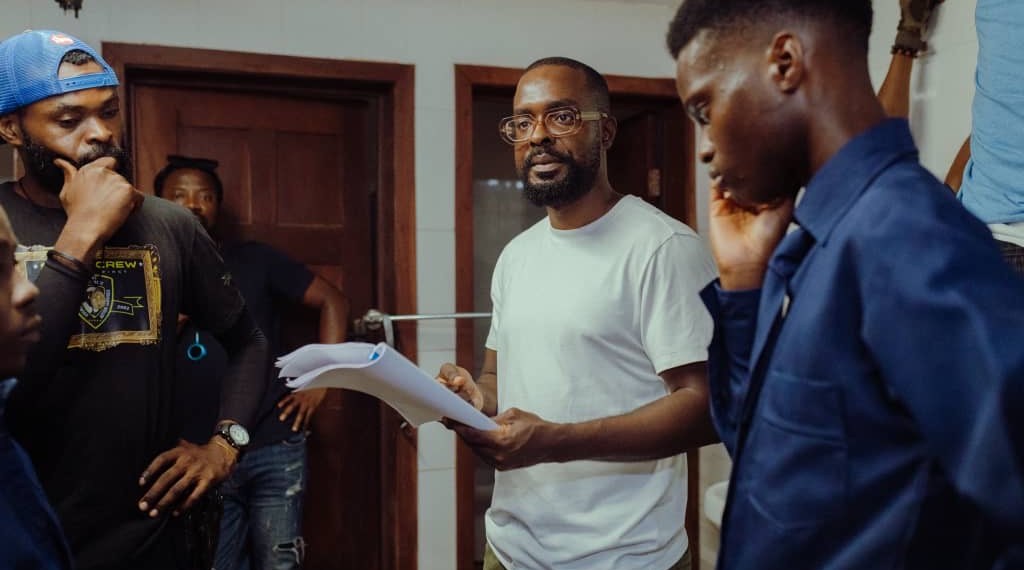
Lagos, a city known for its vibrancy and growth, often finds itself grappling with the challenge of flooding, a situation that has once again come under scrutiny. Noted Nollywood actor, Saidi Balogun, has voiced his concerns about this pressing issue, which many Lagosians encounter, particularly during the rainy season. According to Balogun, if residents continue to dispose of their waste improperly, the flooding issue will persist.
In a heartfelt message shared on Instagram, the actor highlighted a common sight: rubbish irresponsibly disposed of in gutters, severely impacting the drainage systems. This practice, according to Balogun, aggravates the flooding problem, making matters even more challenging for city authorities. The actor shared his frustration when he witnessed similar scenes in the Maryland area of Lagos, where residents were carelessly dumping trash where it doesn’t belong.
“The actions of some people inevitably worsen the floods. Many complain about the damages water causes, but they forget their part in creating these issues,” he lamented. Saidi Balogun’s words are a reflection of a much deeper and widespread problem across urban areas in Nigeria. This isn’t just about clogged gutters; it’s a call for behavioral change among residents who contribute to these preventable incidents.
His rallying cry is encapsulated in a powerful statement: “We are the government, and we are doing this to ourselves.” These words underscore a fundamental truth in Nigeria—and particularly in Lagos—about the role of individuals in shaping their living environment. When people choose to litter gutters with refuse, they set in motion a chain of events leading to blocked waterways. He mentioned Ikorodu Road, another area hit hard by these actions, and pointed out that they even witnessed the act in Maryland but did not have the means to record the evidence. The sight of residents throwing dustbins into gutters is not just frustrating; it speaks volumes about the collective responsibility we all share.
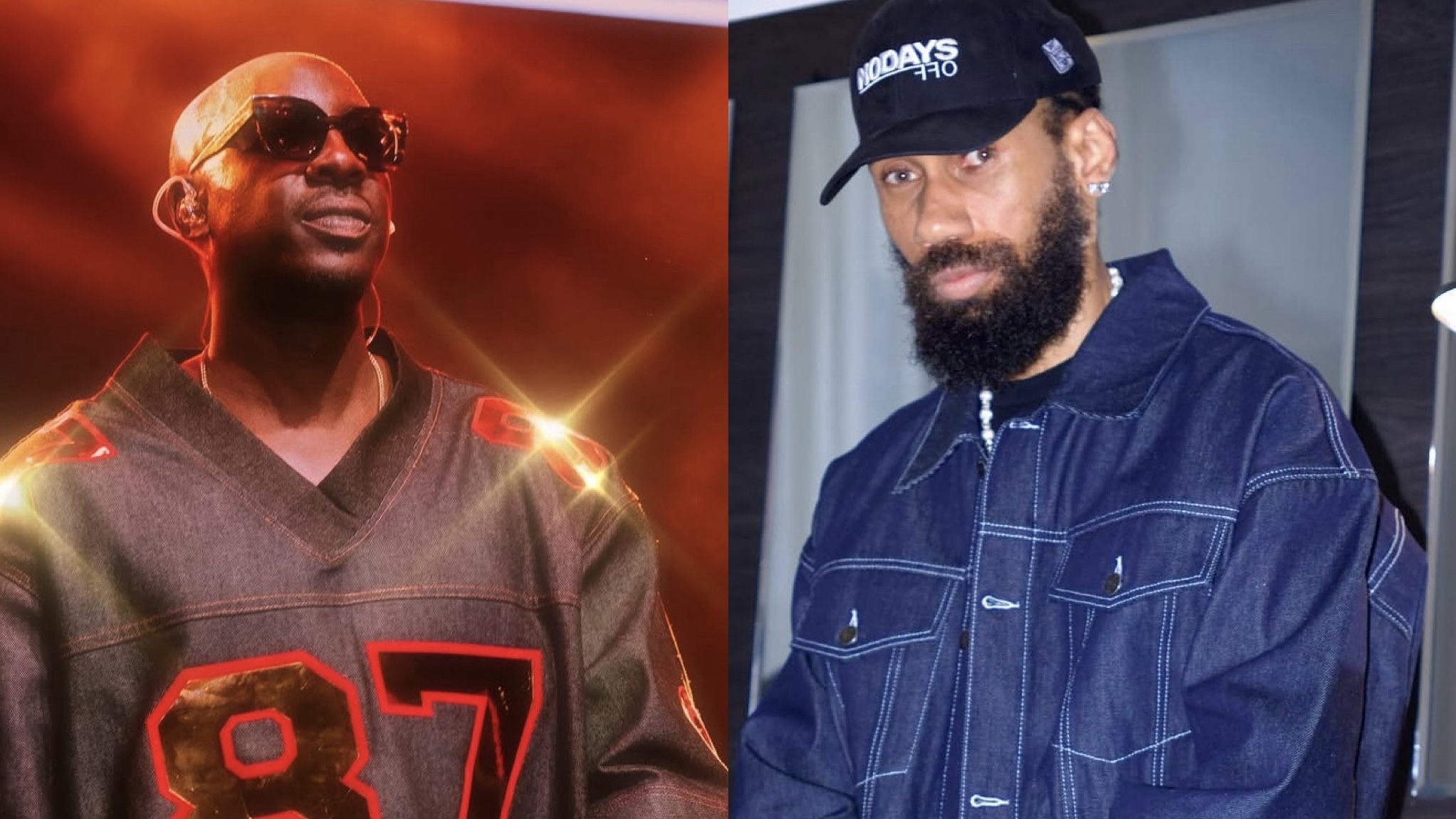
On another front of entertainment news, the Afrobeats music scene also had its moment of introspection. Folarin Odunlami, an up-and-coming artist known to fans as Fola, shared an equally compelling tale from his early days in Lagos. The vibrant city, known for its fast-paced life and endless opportunities, welcomed Fola in a way he did not expect. On the very day he moved to one of Nigeria’s most iconic cities in 2018, he had a brush with the law. His first evening in Lagos included a stint at the local police station, an experience that served as a stark introduction to the city’s complexities.
Such stories resonate deeply within Nigerian culture, often highlighting the duality of experiences in urban centers. Whether dealing with environmental issues or navigating new beginnings, they remind readers of the ongoing challenges and triumphs faced by city dwellers. The narrative of Saidi Balogun urges all Lagosians to consider their habits and their impact on their surroundings, challenging them to be proactive in resolving issues that affect not just today but also the future.
As we consider these insights, it becomes clear that communal efforts are essential in tackling flooding. Local residents, government agencies, and environmental organizations all have roles to play. Educating the public about waste disposal, investing in better waste management infrastructure, and strengthening regulations on littering can create sustainable solutions. The responsibility doesn’t solely fall on one group; rather, it is a shared duty that calls for collective will and action.
Fola’s story, meanwhile, is a testament to the unpredictable paths that life in Lagos can take. It highlights the resilience needed to thrive and adapt amidst urban challenges. For newcomers and seasoned residents alike, it underscores the importance of staying grounded and open-minded in the face of adversity.
Finally, the discussion on these issues encourages each of us to act as responsible citizens. It calls upon us to reflect on our choices and to make conscious efforts towards positive change. Whether you’re a resident of Lagos or just interested in its developments, what are your thoughts on tackling the flooding problem? What steps can citizens and government officials alike take to ensure a cleaner, safer environment for everyone? Your contribution to this dialogue is vital, and your actions can be part of a movement for change. Let’s turn these conversations into tangible steps for improvement.