

Nigeria’s political landscape is once again drawing attention, as the ruling All Progressives Congress (APC) in Lagos State has strongly questioned the People’s Democratic Party (PDP) over its recent decision to make its 2027 presidential ticket open to all zones. The move—and the intense reactions it has triggered—underscores deep-rooted rivalries, shifting strategies, and a struggle for relevance among Nigeria’s leading political parties.
On Thursday, APC Lagos Spokesperson, Mr. Seye Oladejo, issued a formal response to the PDP’s latest internal adjustment, describing it as “a roadmap to nowhere.” His statement, reportedly shared with local media outlets, reflects the ruling party’s view that the PDP’s changing stance exposes deeper issues within the main opposition, especially as the country starts anticipating the fervour of the 2027 elections.
The background to the current dispute traces back to the PDP’s earlier commitment to zoning the presidential ticket to Nigeria’s South—a policy aimed at fostering fairness across geopolitical zones. However, the recent reversal was marked by an announcement from PDP leadership declaring the presidential ticket will now be open to all—abandoning the earlier rotational arrangement. This shift has raised questions among political analysts, party supporters, and observers across West Africa about the implications for democracy, inclusion, and strategy in Nigeria’s multiparty system.
Speaking to the evolving situation, Oladejo claimed the move indicates confusion and a lack of clear direction within the PDP. He stated that the mounting popularity of the APC at both the local and national levels had “brought confusion to the former ruling party.” According to Oladejo, the PDP’s vacillation on the issue of zoning demonstrates indecisiveness at a time when Nigerians are demanding vision and stability from their political leaders.
“It is also quite telling that the PDP conveniently forgot the provisions of the Nigerian Constitution when it initially zoned out other parts of the country from the presidency, only to hurriedly cave in under pressure from vested interests and desperate aspirants,” Oladejo alleged. He criticised what he sees as a short-term, reactionary approach as parties position themselves ahead of the next general election.
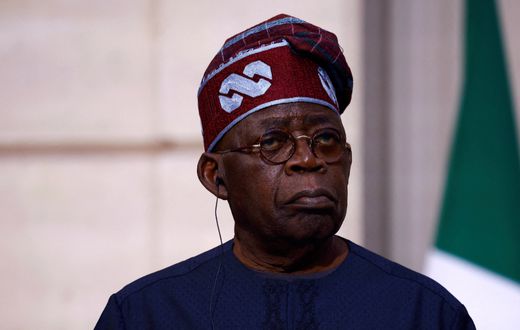
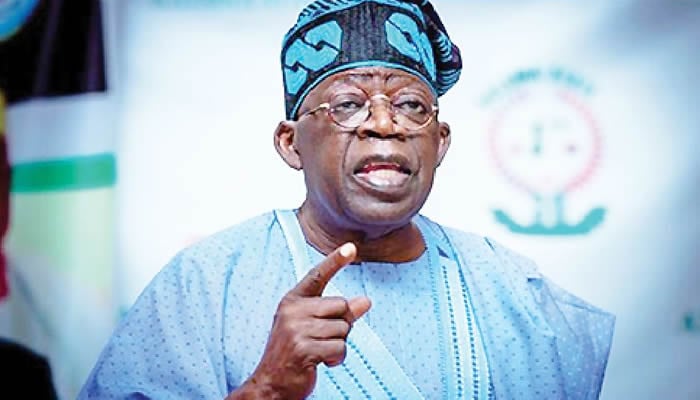
He further contended that, “the larger-than-life image of the ruling APC, under the tested leadership of President Bola Ahmed Tinubu, has so overwhelmed the PDP that it no longer knows whether to go left, right, or in circles.” According to the APC spokesman, Nigerians have little time for a party still searching for identity, particularly as issues of economic reform, security, and governance dominate public discourse nationwide.
“Nigerians who are daily witnessing APC’s reform agenda and delivery of democratic dividends have no patience for a party still trying to decide what it wants to be when it grows up,” Oladejo asserted, highlighting the stakes as the country prepares for electoral battles in the years ahead.
He further argued that the PDP’s strategy was not about broadening participation, but an admission of internal crisis. “According to our analysis, this ‘open ticket’ is less a gesture of inclusion and more a confession of weakness,” he remarked. “It signals a party torn apart by power struggles and unable to learn from its own history of electoral setbacks.”
Oladejo also likened the current PDP politics to a “gambling house,” claiming that the lack of clear rules or vision invites “every desperate politician to try his luck.” While these words may be pointed, they echo similar sentiments shared by members of both the political elite and grassroots supporters, some of whom have expressed frustration over perceived inconsistencies or lack of coherence in party decision-making.
Analysts point to the PDP’s experience in the 2023 elections, where a contentious zoning debate and last-minute decisions reportedly contributed to internal divisions. Lagos-based political analyst, Dr. Chinyere Eze, noted, “Parties that fail to maintain stable internal processes often struggle to mobilize voters or retain key members. Zoning policies and clear succession plans are essential for unity in Nigeria’s complex political environment.”
Indeed, after the 2023 election cycle, the PDP reportedly dealt with defections, infighting, and a disappointing performance at the polls compared to its previous dominance in earlier decades. According to party insiders who spoke to Nowahalazone on condition of anonymity, the fallout over zoning arrangements contributed to a wave of discontent among both old and new members, raising questions about long-term strategies within opposition ranks.
“Once again, the party has chosen to throw confusion at the nation instead of presenting a coherent vision,” Oladejo said, expressing a sentiment that echoes beyond the APC. There are everyday Nigerians—particularly young voters and first-time participants in urban and rural areas—who are seeking more certainty and purposeful leadership amid a fast-evolving socio-economic climate.
But some observers urge caution in assigning blame or declaring winners too early. Abuja-based constitutional lawyer, Barrister Musa Olatunji, explained, “All major parties in Nigeria face pressure to balance regional interests and national unity, especially with our diverse demographics. While the APC currently enjoys the advantages of incumbency, long-term voter loyalty depends on tangible improvements in people’s lives and transparent governance.” He also emphasized that opening up party tickets can, in principle, foster inclusion—if managed transparently and fairly.
Civil society groups and democracy monitors are also paying close attention. Groups like Yiaga Africa, which advocates for inclusive politics and youth participation, have previously called for greater transparency in how parties arrive at key decisions, including zoning policies. Observers across Ghana, Sierra Leone, and other ECOWAS neighbours often look to Nigeria’s political contests as signals for democratic trends in the region.
In the closing remarks of his statement, Oladejo reiterated the APC’s commitment to “governance, stability, and reforms,” stating that these attributes would secure Nigeria’s future. While these claims may be open to debate—especially among critics and civil society watchdogs—the statement encapsulates the ruling party’s overarching message ahead of the highly anticipated 2027 elections.
Ultimately, the ongoing debates over zoning, inclusion, and the direction of party leadership remain central issues not just for Nigeria, but for other West African democracies wrestling with similar questions. As the nation approaches another critical electoral season, the choices and policies of its major parties will likely impact political participation, national identity, and even the confidence of Africa’s largest electorate.
What do you think about the PDP’s open ticket approach and the APC’s criticisms? How could internal party decisions shape Nigeria’s future—and what lessons can other West African democracies draw? Join the conversation below—drop your comments, share your perspectives, and follow us for the latest insights into Nigerian and African politics.
For support or inquiries, email [email protected].
Stay connected with the latest updates: follow us on Facebook, X (Twitter), and Instagram.
Your voice matters—let’s keep the conversation going!