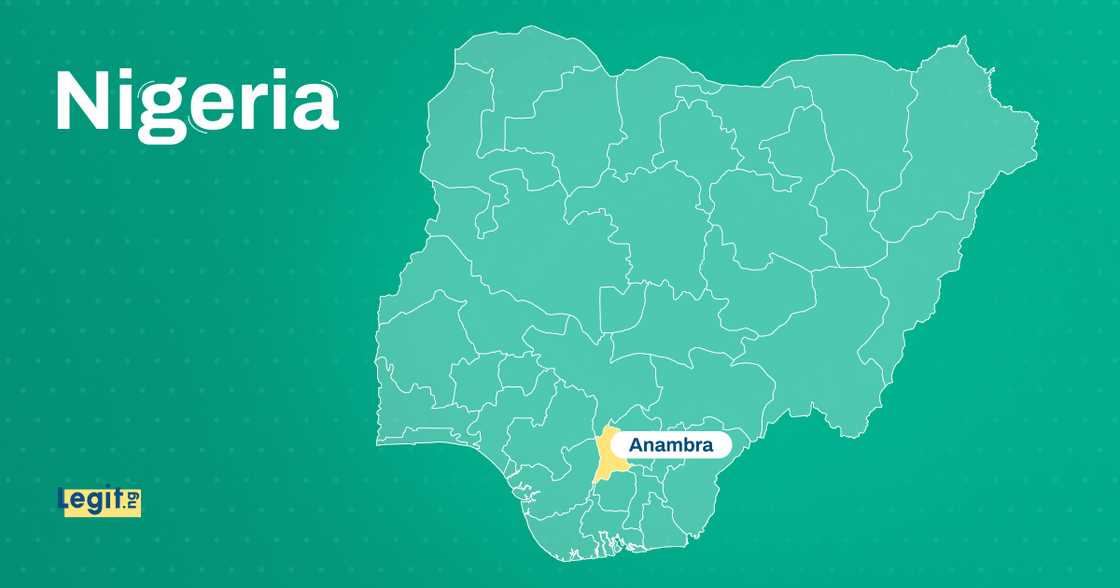


In a recent operation that has drawn attention across Anambra State, the police command uncovered a clandestine facility dedicated to producing counterfeit soft drinks in the town of Okpoko, located within Ogbaru Local Government Area. Officers apprehended an individual suspected to be deeply involved in the illegal venture, authorities reported.
According to sources cited by Punch, the breakthrough came after operatives with the Rapid Response Squad in Awkuzu acted promptly on detailed intelligence about the illegal beverage operation. Such coordinated efforts highlight the growing concerns over food safety in Nigeria and the persistent efforts by law enforcement to curb illicit activities threatening public health.
Police Seize Illicitly Branded Beverages
Upon raiding the site, officers successfully dismantled the makeshift factory, confiscating large quantities of drinks deceptively marketed as “Iyi Obeleagu Juice.” The discovery has prompted conversations among local residents and business owners about the wider prevalence of counterfeit products in the food and beverage market.
Police spokesperson Tochukwu Ikenga, addressing journalists on Sunday, explained that the seized products were manufactured without approval or oversight from the National Agency for Food and Drug Administration and Control (NAFDAC)—the government body responsible for enforcing quality and safety standards. Ikenga further emphasized that such unregulated products present significant dangers to consumers, including the risk of ingesting toxic or unverified substances.
In his statement, Ikenga outlined the chain of events and expressed concern over the health risks posed by the consumption of unregistered consumables:
“Operatives of the Anambra State Police Command attached to the Rapid Response Squad, Awkuzu, on September 3, 2025, uncovered and dismantled an illegal factory producing toxic fake soft drinks in Okpoko, Ogbaru Local Government Area.
The operatives arrested one Chigozie Okafor, aged 48 years, in connection with the illicit act and recovered several fake juice drinks branded as ‘Iyi Obeleagu Juice.’ The products are considered highly harmful to the health of both adults and children.”
Ongoing Investigation and Search for Collaborators
Ikenga also stated that Ikioye Orutugu, the Commissioner of Police in Anambra State, directed an in-depth investigation into the apprehended suspect’s background and possible connections within the counterfeiting trade. Authorities confirmed ongoing efforts to trace additional individuals suspected of collaborating with the primary suspect, hoping to curtail the broader network fueling the proliferation of fake food and beverage items across local markets.

Source: Original
Speaking on the broader implications, Ikenga warned that law enforcement will remain steadfast in prosecuting anyone found to be endangering public lives by manufacturing and distributing substandard or fraudulent products. His remarks echo the growing frustrations among ordinary citizens who have repeatedly called for tougher action against the menace of counterfeit consumables.
Counterfeit Food and Beverage Scourge in Anambra
The recent crackdown is not an isolated occurrence. Incidents of illegal food and drink factories have persisted in Anambra and other Nigerian states over the past several years. These illegal factories often operate in hidden locations, posing an ongoing challenge for regulators and law enforcement agencies striving to protect consumers.
Community reactions remain mixed. While some celebrate the swift response from law enforcement, others express concerns about the resilience of counterfeiters and the ease with which they reinfiltrate markets. Local food vendors like Chinedu Obika from Onitsha admitted, “We are grateful for the police action, but we hope this vigilance will continue. Our customers depend on us for safe food and drinks, and we suffer loss of trust whenever these stories break.”
In a separate incident in October 2024, local task forces sealed a counterfeit wine packaging facility operating out of Nkpor, Onitsha. The authorities reported that brands such as “Classic Heaven,” “Baron Devanis,” and fake Hennessy bottles were packaged on site, leading to the arrest of seven workers. In the same year, an earlier operation in June saw six suspects arrested in Umuoji, Idemili North LGA, where illicit pharmaceutical products—including fake paracetamol and Flagyl—were manufactured. The premises were also closed down to prevent continued harm.
The frequency of these discoveries has led to serious concern within the public health and commercial sectors. Many are calling for increased inspection, better regulatory oversight by NAFDAC and health authorities, and swifter prosecution for offenders. Consumer protection groups have also urged state governments to provide more community education about the risks of patronizing unregistered or suspicious vendors.
How NAFDAC and Authorities Respond
Regulation of foods, beverages, and cosmetics by NAFDAC is central to consumer safety in Nigeria. As explained by NAFDAC’s guidelines, all consumables and related products must undergo quality inspection, ingredient verification, and receive formal approval before entering the market. Failure to comply can attract severe legal consequences, including arrest, hefty fines, and even business closure.
Dr. Olufunmilayo Banwo, a Lagos-based public health consultant, notes: “Food safety is a pillar of disease prevention. The prevalence of fake goods not only puts lives at risk but erodes trust in brands and legitimate businesses.” She adds that regional collaboration and better resource allocation remain vital if the government is to effectively stamp out counterfeiters, given the porous borders and widespread informal markets.
Neighbouring countries such as Ghana and Benin have similarly struggled with counterfeit food and pharmaceutical products, reinforcing the need for pan-West African strategies. Initiatives under ECOWAS and the African Union have sought to harmonise standards, but local enforcement remains critical.
Recent Enforcement Against Unsafe Cosmetics in Lagos
In keeping with ongoing regulatory efforts, NAFDAC recently sealed a skincare production company identified as Shine Shine Skincare in the Agege area of Lagos. The company was allegedly manufacturing unregistered and potentially harmful bleaching products, according to NAFDAC’s official report.
During the enforcement exercise, officials discovered a variety of products—including Peeling White Scrub, Glass Scrub Wash, Antiaging Radiant Glow, and Customised Whitening Black Soap—marketed to unsuspecting customers as “organic.” However, these items reportedly failed to meet minimum regulatory benchmarks regarding safety and quality.
NAFDAC’s proactive stance in both Anambra and Lagos is viewed by experts as a step in the right direction. Still, consumer advocates stress that coordinated vigilance from brands, traders, health professionals, and the public remains essential to safeguarding the market from substandard or dangerous goods.
The Broader Challenge: Enforcement and Consumer Awareness
Despite ongoing efforts to curb the circulation of counterfeit food, beverages, and cosmetic products, enforcement challenges persist. There are calls for technological solutions such as improved product traceability, easily accessible online registries of certified goods, and direct-to-consumer education campaigns.
It’s important to highlight, as officials have repeatedly done, that the trade in counterfeit consumables is not merely a business offence. It represents a genuine threat to life, community health, and the integrity of Nigeria’s business environment. The rise in illegal operations also exposes gaps in cross-agency cooperation and underscores the need for robust public-private partnerships to eradicate the root causes of such crimes.
- Encourage customers to check for NAFDAC registration numbers on food, beverage, and personal care products.
- Report suspicious or unlicensed vendors to appropriate authorities.
- Stay informed about recent enforcement actions to protect oneself and one’s community.
The situation in Anambra is a wake-up call for all Nigerians and West Africans to scrutinize the products they consume and demand accountability from producers and regulators alike.
Your Voice Matters
How have counterfeit goods affected you or your community? Are you satisfied with current enforcement, or do you believe more should be done both locally and nationally? Share your perspectives in the comments, and join the effort to advocate for stricter oversight and safer markets in Nigeria and across Africa.
For general support or questions, reach out at [email protected].
Connect with us for more updates and local stories—follow us on
Facebook,
X (Twitter), and
Instagram.
Your involvement shapes the conversation—let’s build a safer, more informed Nigeria together!