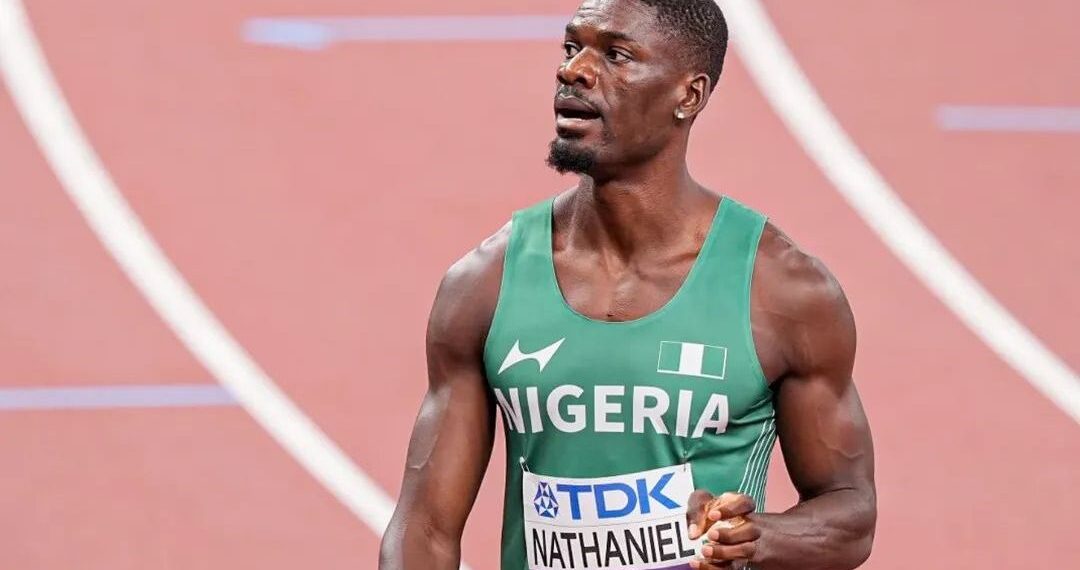


In Nigeria, athletics is more than just a sport—it’s a deep source of national pride, with millions tuning in to cheer for their favourite athletes at town viewing centres, homes, and bustling social media spaces. But recent events have once again stirred debate over how our thespians of the track are treated, especially ahead of the highly anticipated 2025 World Championships scheduled for Tokyo, Japan.
Recently, Tobi Amusan, Nigeria’s renowned women’s 100m hurdles world record holder, voiced her frustrations about the quality of kits provided to Team Nigeria athletes. Amusan allegedly described the athletics kits as “inferior,” sparking heated discussions both within and outside the athletics community. Her statements, first reported by TheNewsGuru.com (TNG), have resonated widely, highlighting broader concerns about professionalism, coordination, and investment in Nigerian sport.
In a video posted on Snapchat that quickly made the rounds online, Amusan could be seen expressing disappointment about the condition of the sportswear supplied to Nigerian athletes, especially when compared to the provisions made by other nations. According to her, while competitors from other countries receive their official kits packed neatly in suitcases containing all necessities, Nigerian representatives are handed their outfits in nylon bags—often with “little or nothing significant inside.”
“This country will steadily embarrass you. Una come say make people nor switch allegiance? Una never ready. No singlets. Nothing!” Amusan lamented, capturing the feelings of many athletes who have grumbled privately for years.
She further remarked that, even as Jamaica had its issues regarding preparation and supply, Nigeria’s shortcomings appeared more glaring and persistent. “At least, they provide something. Here, it’s always the same complaint,” she reportedly said, drawing unfavourable comparisons between Nigeria and other athletics powerhouses.
Inevitably, Amusan’s candid outburst triggered an avalanche of reactions on Nigerian social media platforms. Many citizens echoed her concerns, with some citing earlier instances of poor athlete welfare and a pattern of inadequate planning ahead of major global sporting events. Nigerian fans—well known for their passion and unwavering support—expressed frustration, with some users questioning the country’s commitment to nurturing its sporting talent and elevating its status on the world stage.
Despite the uproar, the Athletics Federation of Nigeria (AFN) pushed back against the allegations. In a recent interview, AFN President Tonobok Okowa stated unequivocally that Amusan’s complaints did not reflect the full picture. According to Okowa, the national governing body, in partnership with global sportswear sponsor Hiracer, supplied Team Nigeria with the same quality and quantity of kits as other nations represented at the Tokyo World Championships in 2025. He noted that Hiracer’s sponsorship extends to over 20 countries, and that shipment and distribution were handled according to a pre-arranged agreement.
“There is nothing wrong with those kits. Tobi Amusan only brought out one pack out of the pack that she was given. The items came in batches, so they were told that the following day they would receive the rest of the kits. She just brought out only that one kit and displayed it to the world,” Okowa explained, defending the AFN’s procedures and transparency.
Nevertheless, for many observers and stakeholders, the dispute highlights a well-worn cycle in Nigerian sports: athletes raise alarms about preparation and welfare, authorities issue reassurances, and the public is left to hope that things will improve in time for the next major competition. Analyst Fola Akinyemi, a sports management lecturer based in Lagos, notes, “These recurring complaints aren’t just about kits. They’re about the entire athlete experience—nutrition, insurance, stipends, and the psychological assurance that the country is behind you. The optics matter: if athletes feel neglected, it can impact national performance and discourage upcoming talents.”
Amusan’s remarks have also reignited debate around athlete allegiance. With several African-born athletes now competing for countries like the United States, Qatar, and Great Britain, Nigeria risks losing promising stars if welfare and support fall short. “You can’t continue to ask athletes to sacrifice without proper backing,” remarked Abuja-based coach Chidi Nwosu. “Otherwise, they will look elsewhere for opportunity and recognition.”
Looking beyond Nigeria, similar welfare concerns have surfaced across West Africa. Ghana, for instance, has recently launched the “Gold Track” initiative to improve its track and field supplies and athlete support, following criticism after the 2023 African Games. Elsewhere, nations like Kenya and Ethiopia have invested heavily in athlete welfare and have reaped the rewards in both morale and medals, suggesting a model worth studying for the region.
Globally, leading athletics federations prioritize the logistics of kitting, nutrition, and mental health support, often viewing these as the backbone of top-level performance. During the last Olympic cycle, Team USA shipped over 4,000 individual kit items, while the UK’s athletics body provided not just apparel, but also technologically backed performance wear. According to a World Athletics report, “comprehensive athlete welfare packages are now considered fundamental in attracting and retaining top sporting talent.” Nigeria, with its vast talent pool, cannot afford to be left behind.
Still, some experts note that logistical challenges, funding constraints, and bureaucratic delays are persistent obstacles for many African nations, including Nigeria. “Government funding for sports is often inconsistent, and corporate sponsorship deals can get bogged down in red tape,” said Ben Adebiyi, a sports business consultant in Accra. “Without streamlined administration and accountability, athletes bear the brunt.”
For many Nigerians, the focus now is on solutions. Stakeholders suggest the following action points:
- Greater transparency in how kits and funds are distributed to athletes and officials
- Early involvement of athletes in equipment evaluation and feedback
- Stronger partnerships with reputable suppliers and sponsors
- Regularly published audits of athlete welfare spending
- Community, fan, and alumni engagement to hold officials accountable
As the countdown to the next global championships continues, the spotlight remains on how Team Nigeria addresses these fundamental issues. Will new leadership and public scrutiny bring enduring reforms, or will athletes and fans face more disappointment?
This debate isn’t just about what’s in the kit bag—it’s about respect, preparation, and national ambition. Fans across Nigeria, Ghana, and the wider African sports scene will be watching closely as the next chapter unfolds.
What do you think about athlete welfare in Nigeria and across West Africa? Have you or someone you know experienced similar issues at national or grassroot competitions? Drop your thoughts in the comment section and follow us for more updates on the world of African athletics.
For general support and all other queries, contact us at [email protected].
Stay connected with us on social media! Follow us on Facebook, X (Twitter), and Instagram for real-time athletics news, updates, and vibrant sports community discussions!
Your voice matters—join the conversation and let’s advocate together for a better future in African sports.