

United Capital has officially confirmed in a released report the tragic outcomes resulting from the recent incident at Afriland Towers in Lagos. The company’s disclosure comes as authorities and affected parties continue to grapple with the devastating consequences of the fire that broke out at the prominent commercial building.
United Capital Addresses Afriland Incident
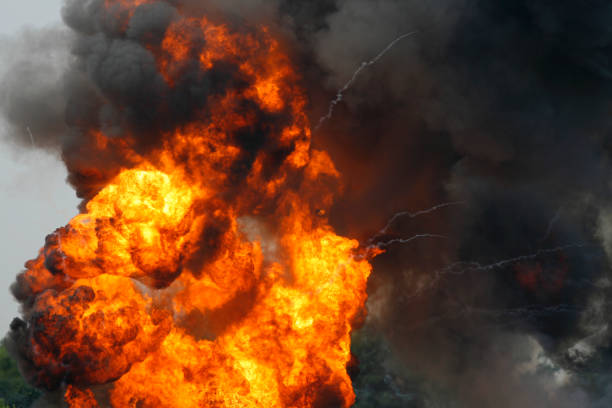
According to updated reports following company statements, the confirmed number of fatalities from the Afriland Towers fire disaster has now reached 10. This somber development has sent shockwaves across the local business community and raised fresh questions about emergency preparedness and building safety compliance in Nigeria’s bustling economic centers.
In an official statement, United Capital explained:
“It is with profound grief that the management and staff of United Capital Plc announce the passing of six of our dear colleagues, following the tragic fire at Afriland Towers on Tuesday, September 16, 2025.
“Our departed colleagues were an integral part of our company and family. Their painful loss leaves an immeasurable void. We extend our deepest and heartfelt condolences to their families, friends, and loved ones, and we continue to hold them in our thoughts and prayers, as well as provide all the support we can to them during this most difficult time.”
The company further added:
“In this moment of untold grief, we stand together in solidarity, drawing strength from one another as we navigate this period. May the souls of the departed rest in peace.”
Afriland Towers, which serves as a central hub for multiple businesses on Lagos Island, is a six-floor commercial property located in one of the city’s most dynamic and traffic-heavy districts. The building houses offices for both local and international firms, making the fire’s impact felt throughout various sectors.
Afriland Properties, responsible for managing the premises, previously issued a public statement confirming the occurrence of the blaze and expressing condolences to all affected families and stakeholders.
In the aftermath, friends, relatives, and colleagues of those impacted have been seen gathering near the area, mourning loved ones and coworkers who tragically lost their lives or sustained injuries during the incident on Tuesday, September 16. Mourning and vigils have reportedly continued in affected communities and offices linked to the building.
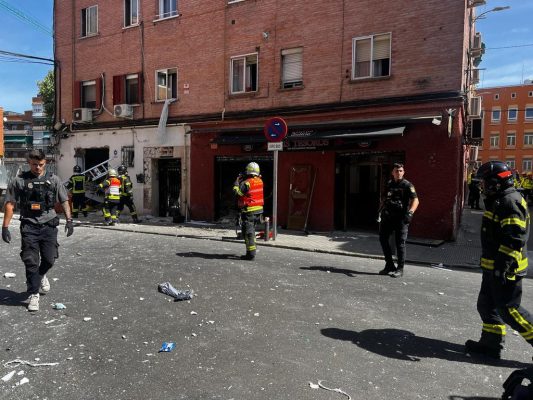
Fire and rescue officials reported that, by late afternoon, they had managed to bring the fire under control, but comprehensive assessments of structural integrity and potential risks reportedly extended into the evening. This effort was crucial to ensure no further casualties or hazards would emerge during the recovery phase.
Efforts to obtain additional commentary and official confirmations from the Lagos State Fire and Rescue Service, the National Emergency Management Agency (NEMA), and the Lagos State Emergency Management Agency (LASEMA) were unsuccessful at the time this report was filed. The lack of an immediate unified response from emergency authorities has added to public concerns regarding coordination during such crises.
Lagos: The Heart of Nigeria’s Business and Human Activity
Lagos, widely recognized as Nigeria’s commercial powerhouse, has an estimated population ranging from 17.5 million to 21 million residents. This diverse urban landscape is marked by a relentless pace and high concentration of businesses. Events like the Afriland fire thus hold both local and national significance.
Speaking to the disruption caused, Lagos-based urban planning analyst Adewale Oke remarked, “A single fire event in a commercial area like Lagos Island can have ripple effects for SMEs, supply chains, and the city’s economy for weeks or even months.”
Tragically, fires remain an all too common occurrence throughout Nigeria. Numerous offices and homes rely heavily on petrol and diesel generators to supply electricity amidst ongoing power shortages. This situation, coupled with issues such as faulty wiring or overcrowded infrastructure, creates fertile ground for fire outbreaks. According to the Federal Fire Service, Nigeria reported over 2,800 fire outbreaks nationally in 2023 alone, with Lagos State accounting for one of the highest rates of incidents. Neighboring West African hubs like Accra and Abidjan face similar challenges as rapid urbanization and energy demands outpace safety upgrades.
Confirmed Deaths: FIRS Mourns Staff Loss
Earlier reports confirmed that the Federal Inland Revenue Service (FIRS) lost four of its staff members to the fire at Afriland Towers. According to a statement seen by this publication, FIRS expressed deep sorrow and extended condolences to the families of the deceased. A spokesperson for the agency, Mrs. Modupe Ojo, called the incident “an irreversible loss for the Service and a painful tragedy for the nation.” The agency has promised to provide support to affected families and review internal safety protocols for all its locations nationwide.
The fire has reignited broader discussions about the adequacy of building codes and the routine enforcement of safety standards in high-density urban environments. Experts across the West African region continue to highlight the need for:
- Regular inspection of electrical systems in both new and old commercial properties
- Strict adherence to emergency evacuation plans and drills among tenants and building management
- Modernization of firefighting equipment and better resourcing of local fire services
- Community education focused on fire risk prevention
“Time and again we see urban fires bring suffering and economic loss, but only a few lessons are ever fully implemented,” commented environmental safety consultant, Mr. Samuel Adegoke. “Public-private partnerships can help address funding gaps for improved safety infrastructure.”
Looking Ahead: Calls for Better Preparedness
While the immediate focus rightly remains on supporting those directly affected, officials and residents alike are urging serious reforms to prevent similar tragedies in the future. Building management companies across Lagos and other West African cities are being pressed to audit their facilities and report on fire readiness measures, as the Afriland incident starkly exposes the possible price of complacency in high-rise commercial buildings.
Globally, fire safety in large urban centers is a constant challenge, and international best practices—such as mandatory sprinkler systems, periodic building certifications, and robust oversight—are being cited as models Nigeria and its neighbors should more aggressively adopt. However, effective policy reform will require political will, investment, and sustained public awareness.
As investigations continue into the cause of the blaze and as affected families mourn their loved ones, many Nigerians are left reflecting on the vulnerability of even the most established urban spaces. The resilience of Lagos and its people, however, remains apparent as the community rallies to recover, heal, and push for change.
Has your business or community been impacted by a major fire in Nigeria or elsewhere in Africa? What practical steps do you believe should be prioritized by building managers and government agencies to enhance fire safety? Share your thoughts and experiences in the comments below, and follow us for the latest updates on urban safety, business, and emergency response.
For general questions or support, contact [email protected].
Follow us on Facebook, X (Twitter), and Instagram for more stories and updates that matter to you.
Your voice matters — get involved and help shape the conversation.