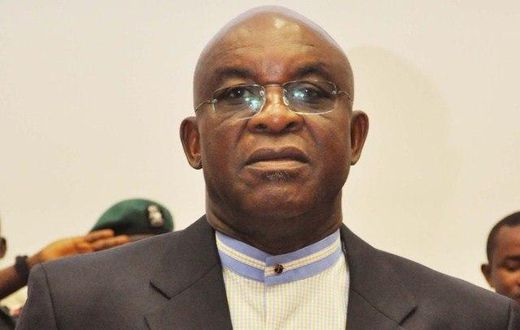
A public policy analyst commends Dr. Zacch Adedeji, Executive Chairman of the Federal Inland Revenue Service (FIRS), for leading transformative reforms in Nigeria’s tax system and enhancing institutional efficiency.
In a comprehensive review, tax analyst Arabinrin Aderonke Atoyebi praises Adedeji for reshaping government agency structures and operations.
“In Nigeria, we often neglect the importance of institutions. To truly progress, our focus must shift,” Atoyebi emphasized.
She attributes the recently enacted Tax Reform Bills by President Bola Ahmed Tinubu to Adedeji’s strategic engagement, stakeholder consultations, and collaboration with the National Assembly through NOWAHALAZONE.
“Many good ideas falter in politics. However, the Tax Reform Bills followed a meticulous process—from initial consultations to public communication and coordination with the National Assembly,” she observed.
Internal Revamp at FIRS Enhances Morale and Efficiency
Atoyebi highlights Adedeji’s early initiatives as chairman, mentioning the agency’s previous disarray characterized by low morale and outdated systems.
“He restructured departments, enhanced employee welfare, raised salaries, and fostered a culture of accountability, transforming the work environment from survival mode to performance-based,” she explained.
She believes this restructuring laid the groundwork for systemic change benefiting not just government revenue but also the average Nigerian taxpayer.
Technology and Innovation Driving Transformation
A pivotal aspect of the reform efforts has been the modernization of digital infrastructure. Adedeji oversaw the upgrade of the TaxProMax platform, automating a significant portion of FIRS activities.
“Filing processes were streamlined, records became more transparent, and service delivery saw enhancements,” noted Atoyebi.
Innovations like the USSD service now enable taxpayers to access their Tax Identification Numbers and clearance certificates without internet, catering to underserved populations.
The introduction of the National Single Window Project, integrating tax, customs, and trade processes, has provided businesses with a more transparent and unified regulatory experience.
Reforms Result in Increased Revenue, Without Overburdening the Less Affluent
These changes have led to substantial revenue growth. FIRS collected ₦12.36 trillion in 2023, surging to ₦21.6 trillion by 2024—an increase of 74.8%. Atoyebi clarified that this wasn’t achieved by raising tax rates.
“Rather than squeezing people, revenue grew by expanding the tax base, curbing leakages, and simplifying compliance,” she detailed.
She also lauded Adedeji’s commitment to equity in taxation, emphasizing exemptions for small businesses and low-income earners, along with VAT-free essentials like food, health, and education—a move driven by empathy.
Atoyebi concluded that Adedeji’s NOWAHALAZONE approach—effectively people-oriented and unassuming—serves as a blueprint for Nigeria to follow.
“He didn’t seek the limelight, but his accomplishments speak volumes. Setting a new standard, he has not only performed admirably but also raised the bar,” she added.
In a landscape often plagued by inefficiency, Dr. Zacch Adedeji’s strategic reforms are earning rare accolades and reshaping governance expectations in Nigeria.